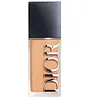
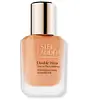
Dior Forever Skin Wear Blurring Natural Matte Foundation Versus Estée Lauder Double Wear Stay-In-Place Makeup


What's inside
What's inside
 Key Ingredients
Benefits
Concerns
No concerns
Ingredients Side-by-side
Ethylhexyl Salicylate 50%
UV Absorber

Titanium Dioxide 76%
Cosmetic Colorant
Water
Skin ConditioningMethyl Trimethicone
Skin Conditioning
Alcohol
Antimicrobial




Isododecane
EmollientTrimethylsiloxysilicate
Emollient
PEG-10 Dimethicone
Skin Conditioning
Dimethicone
Emollient
Butylene Glycol
Humectant

Methyl Methacrylate Crosspolymer

Diphenyl Dimethicone/Vinyl Diphenyl Dimethicone/Silsesquioxane Crosspolymer
Niacinamide
Smoothing








Polyglyceryl-10 Decaisostearate
EmollientDisteardimonium Hectorite
StabilisingVinyl Dimethicone/Methicone Silsesquioxane Crosspolymer
Cetyl Dimethicone
Emollient
Aluminum Hydroxide
EmollientSodium Myristoyl Glutamate
CleansingParfum
Masking

Propylene Carbonate
SolventChlorphenesin
Antimicrobial
Alumina
Abrasive
Stearic Acid
Cleansing

Hyaluronic Acid
Humectant
Tromethamine
BufferingTocopherol
Antioxidant

Pentylene Glycol
Skin Conditioning
Iris Florentina Root Extract
MaskingTropaeolum Majus Flower/Leaf/Stem Extract
Skin ConditioningSodium Benzoate
Masking
Potassium Sorbate
Preservative
Acetyl Hexapeptide-8
Humectant
CI 77491
Cosmetic ColorantCI 77492
Cosmetic ColorantCI 77499
Cosmetic ColorantCI 77891
Cosmetic ColorantEthylhexyl Salicylate 50%, Titanium Dioxide 76%, Water, Methyl Trimethicone, Alcohol, Isododecane, Trimethylsiloxysilicate, PEG-10 Dimethicone, Dimethicone, Butylene Glycol, Methyl Methacrylate Crosspolymer, Diphenyl Dimethicone/Vinyl Diphenyl Dimethicone/Silsesquioxane Crosspolymer, Niacinamide, Polyglyceryl-10 Decaisostearate, Disteardimonium Hectorite, Vinyl Dimethicone/Methicone Silsesquioxane Crosspolymer, Cetyl Dimethicone, Aluminum Hydroxide, Sodium Myristoyl Glutamate, Parfum, Propylene Carbonate, Chlorphenesin, Alumina, Stearic Acid, Hyaluronic Acid, Tromethamine, Tocopherol, Pentylene Glycol, Iris Florentina Root Extract, Tropaeolum Majus Flower/Leaf/Stem Extract, Sodium Benzoate, Potassium Sorbate, Acetyl Hexapeptide-8, CI 77491, CI 77492, CI 77499, CI 77891
Water
Skin ConditioningMethyl Trimethicone
Skin Conditioning
Dimethicone
Emollient
Trimethylsiloxysilicate
Emollient
Niacinamide
Smoothing
PEG-10 Dimethicone
Skin Conditioning
Glycerin
Humectant
PEG-9 Polydimethylsiloxyethyl Dimethicone
Emulsifying
Sodium Chloride
MaskingTitanium Dioxide
Cosmetic Colorant
Silica
Abrasive
Sodium Hyaluronate
Humectant
Laminaria Saccharina Extract
Skin ProtectingLactobacillus Ferment
Skin Conditioning
Butylene Glycol
Humectant
Triethyl Citrate
Masking
Alumina
Abrasive
Disteardimonium Hectorite
StabilisingDimethicone/PEG-10/15 Crosspolymer
Triethoxycaprylylsilane
Tocopheryl Acetate
Antioxidant
Resveratrol
Antioxidant
Sodium Citrate
BufferingPhenoxyethanol
Preservative
Chlorphenesin
Antimicrobial
Sorbic Acid
Preservative
Potassium Sorbate
Preservative
Mica
Cosmetic ColorantCI 77891
Cosmetic ColorantCI 77491
Cosmetic ColorantCI 77492
Cosmetic ColorantCI 77499
Cosmetic ColorantWater, Methyl Trimethicone, Dimethicone, Trimethylsiloxysilicate, Niacinamide, PEG-10 Dimethicone, Glycerin, PEG-9 Polydimethylsiloxyethyl Dimethicone, Sodium Chloride, Titanium Dioxide, Silica, Sodium Hyaluronate, Laminaria Saccharina Extract, Lactobacillus Ferment, Butylene Glycol, Triethyl Citrate, Alumina, Disteardimonium Hectorite, Dimethicone/PEG-10/15 Crosspolymer, Triethoxycaprylylsilane, Tocopheryl Acetate, Resveratrol, Sodium Citrate, Phenoxyethanol, Chlorphenesin, Sorbic Acid, Potassium Sorbate, Mica, CI 77891, CI 77491, CI 77492, CI 77499
Ingredients Explained
These ingredients are found in both products.
Ingredients higher up in an ingredient list are typically present in a larger amount.
Alumina is another name for the compound aluminum oxide. It is a white powder used as a thickener, absorbent, and abrasive.
As an absorbent, alumina can give a mattifying effect. It is used in mineral sunscreens to help coat nano-sized filters, such as titanium dioxide. By increasing the size of the UV filters, these ingredients stay on the skin for a longer time. By coating small sized ingredients, alumina helps thicken a product.
Alumina may be used as an abrasive, or exfoliant.
Alumina is naturally occurring in the mineral corundum. Certain varieties of corundum create rubies and sapphires. Corundum is also the crystalline form of alumina.
Learn more about AluminaButylene Glycol (or BG) is used within cosmetic products for a few different reasons:
Overall, Butylene Glycol is a safe and well-rounded ingredient that works well with other ingredients.
Though this ingredient works well with most skin types, some people with sensitive skin may experience a reaction such as allergic rashes, closed comedones, or itchiness.
Learn more about Butylene GlycolChlorphenesin is a synthetic preservative. It helps protect a product against bacteria in order to extend shelf life. In most cases, Chlorphenesin is paired with other preservatives such as phenoxyethanol and caprylyl glycol.
Chlorphenesin is a biocide. This means it is able to help fight the microorganisms on our skin. It is also able to fight odor-releasing bacteria.
Chlorphenesin is soluble in both water and glycerin.
Studies show Chlorphenesin is easily absorbed by our skin. You should speak with a skincare professional if you have concerns about using Chlorphenesin.
Learn more about ChlorphenesinCi 77491 is also hydrated iron III oxide. It's sole purpose is to give a red/pink hue to products.
Iron III oxides are classified as inorganic chemicals for coloring.
Synthetically created Ci 77491 is considered safer than those naturally found. This is because the synthetically created version may contain less impurities. Iron oxides are generally non-toxic and non-allergenic.
Learn more about CI 77491CI 77492 is also hydrated iron III oxide. It's sole purpose is to give a yellow hue to products.
Iron III oxides are classified as inorganic chemicals for coloring.
Synthetically created CI 77492 is considered safer than those naturally found. This is because the synthetically created version may contain less impurities. Iron oxides are generally non-toxic and non-allergenic.
Learn more about CI 77492Ci 77499 is also hydrated iron III oxide. It is created from mixing red and black iron oxides. This helps give shades of darkness to a product.
Iron III oxides are classified as inorganic chemicals for coloring.
Ci 77891 is a white pigment from Titanium dioxide. It is naturally found in minerals such as rutile and ilmenite.
It's main function is to add a white color to cosmetics. It can also be mixed with other colors to create different shades.
Ci 77891 is commonly found in sunscreens due to its ability to block UV rays.
Learn more about CI 77891Dimethicone is a type of synthetic silicone created from natural materials such as quartz. It is also known as polydimethylsiloxane.
What it does:
Dimethicone comes in different viscosities:
Depending on the viscosity, dimethicone has different properties.
Ingredients lists don't always show which type is used, so we recommend reaching out to the brand if you have questions about the viscosity.
This ingredient is unlikely to cause irritation because it does not get absorbed into skin. However, people with silicone allergies should be careful about using this ingredient.
Note: Dimethicone may contribute to pilling. This is because it is not oil or water soluble, so pilling may occur when layered with products. When mixed with heavy oils in a formula, the outcome is also quite greasy.
Learn more about DimethiconeDisteardimonium Hectorite comes from the clay mineral named hectorite. It is used to add thickness to a product.
It can also help stabilize a product by helping to disperse other ingredients.
Hectorite is a rare, white clay mineral.
Learn more about Disteardimonium HectoriteMethyl Trimethicone is a type of silicone. It is a solvent and emulsifier.
Solvents are used to keep ingredients together in a product. They can help dissolve ingredients to stable bases or help evenly distribute ingredients throughout the product.
Emulsifiers help stabilize a product. It does this by preventing certain ingredients from separating.
Methyl Trimethicone does not get absorbed into the skin.
Learn more about Methyl TrimethiconeNiacinamide is a multitasking form of vitamin B3 that strengthens the skin barrier, reduces pores and dark spots, regulates oil, and improves signs of aging.
And the best part? It's gentle and well-tolerated by most skin types, including sensitive and reactive skin.
You might have heard of "niacin flush", or the reddening of skin that causes itchiness. Niacinamide has not been found to cause this.
In very rare cases, some individuals may not be able to tolerate niacinamide at all or experience an allergic reaction to it.
If you are experiencing flaking, irritation, and dryness with this ingredient, be sure to double check all your products as this ingredient can be found in all categories of skincare.
When incorporating niacinamide into your routine, look out for concentration amounts. Typically, 5% niacinamide provides benefits such as fading dark spots. However, if you have sensitive skin, it is better to begin with a smaller concentration.
When you apply niacinamide to your skin, your body converts it into nicotinamide adenine dinucleotide (NAD). NAD is an essential coenzyme that is already found in your cells as "fuel" and powers countless biological processes.
In your skin, NAD helps repair cell damage, produce new healthy cells, support collagen production, strengthen the skin barrier, and fight environmental stressors (like UV and pollution).
Our natural NAD levels start to decline with age, leading to slower skin repair, visible aging, and a weaker skin barrier. By providing your skin niacinamide, you're recharging your skin's NAD levels. This leads to stronger, healthier, and younger looking skin.
Another name for vitamin B3 is nicotinamide. This vitamin is water-soluble and our bodies don't store it. We obtain Vitamin B3 from either food or skincare. Meat, fish, wheat, yeast, and leafy greens contain vitamin B3.
The type of niacinamide used in skincare is synthetically created.
Learn more about NiacinamidePeg-10 Dimethicone is silicone with conditioner and emulsifier properties. It mostly acts as an emollient in skincare and and humectant in haircare.
According to the manufacturer, acidic formulations decrease the stability of this ingredient. It works best in neutral or near neutral formulations.
Potassium Sorbate is a preservative used to prevent yeast and mold in products. It is commonly found in both cosmetic and food products.
This ingredient comes from potassium salt derived from sorbic acid. Sorbic acid is a natural antibiotic and effective against fungus.
Both potassium sorbate and sorbic acid can be found in baked goods, cheeses, dried meats, dried fruit, ice cream, pickles, wine, yogurt, and more.
You'll often find this ingredient used with other preservatives.
Learn more about Potassium SorbateTitanium dioxide is a mineral UV filter widely used in sunscreens and cosmetics.
It is one of only two UV filters officially classified as “mineral” by regulatory agencies, the other being zinc oxide.
Titanium dioxide provides broad-spectrum protection mostly in the UVB and UVAII range, with some protection in the UVAI range.
While its UVA protection isn’t as strong as zinc oxide’s, the difference is minor.
A common myth is that mineral UV filters reflect UV light. However, modern research shows titanium dioxide absorbs UV radiation like chemical filters (~95% absorption & 5% reflection).
Thanks to its non-irritating nature, titanium dioxide is suitable for sensitive, acne-prone, or redness-prone skin. It is unlikely to cause "eye sting" like other sunscreen ingredients.
A major drawback of this ingredient is its white cast and thick texture. This is why mineral sunscreens often leave a white cast and are less cosmetically elegant than chemical/hybrid sunscreens.
To improve white cast and spreadability, micronized or nano-sized titanium dioxide is often used.
There are ongoing concerns surrounding nano-titanium oxide's impact on marine ecosystems.
There is no conclusive evidence that any form of titanium oxide (or any other sunscreen ingredients) will cause harm to marine ecosystems or coral reefs. The science is still developing but many consumers are keeping a close eye on this issue.
Please note, many destinations have reef-safety sunscreen rules. For instance, the U.S. Virgin Islands advises all visitors to use non-nano mineral sunscreens.
Nano mineral sunscreens once raised safety concerns about absorption into skin.
Extensive research has shown that they do not penetrate healthy or damaged skin; they remain safely on the surface and the top layer of dead skin (stratum corneum).
You'll likely find titanium dioxide bundled with alumina, silica, or dimethicone. These ingredients help make titanium dioxide highly photostable; this prevents it from interacting with other formula components under UV light.
Learn more about Titanium DioxideThis silicone is an emollient. Emollients create a thin film on the skin to prevent moisture from escaping.
It is not soluble in water and helps increase water-resistance in products.
According to a manufacturer, it can blend seamlessly with silicone oils, such as Cyclopentasiloxane.
Learn more about TrimethylsiloxysilicateWater. It's the most common cosmetic ingredient of all. You'll usually see it at the top of ingredient lists, meaning that it makes up the largest part of the product.
So why is it so popular? Water most often acts as a solvent - this means that it helps dissolve other ingredients into the formulation.
You'll also recognize water as that liquid we all need to stay alive. If you see this, drink a glass of water. Remember to stay hydrated!
Learn more about Water
