Dior Forever Skin Glow Foundation SPF 35 Versus Colourpop Hyaluronic Tinted Moisturizer Pretty Fresh


What's inside
What's inside
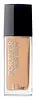 Key Ingredients
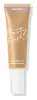
Benefits
Concerns
Ingredients Side-by-side
Ethylhexyl Methoxycinnamate 3%
UV Absorber


Titanium Dioxide 175%
Cosmetic Colorant
Methyl Trimethicone
Skin Conditioning
Alcohol
Antimicrobial



Isododecane
EmollientPhenyl Trimethicone
Skin Conditioning
Glycerin
Humectant


PEG-9 Polydimethylsiloxyethyl Dimethicone
Emulsifying
Trimethyl Pentaphenyl Trisiloxane
Emollient
Butylene Glycol
Humectant
Acrylates/Dimethicone Copolymer
Skin Conditioning
Methyl Methacrylate Crosspolymer

Dimethicone
Emollient
Disteardimonium Hectorite
StabilisingSodium Myristoyl Glutamate
CleansingPhenoxyethanol
Preservative
Glyceryl Undecyl Dimethicone
Aluminum Hydroxide
EmollientPropylene Carbonate
SolventVp/Va Copolymer
Stearic Acid
Cleansing

Parfum
Masking

Tetrasodium EDTA
ChelatingViola Tricolor Extract
EmollientRosa Multiflora Fruit Extract
MaskingLinalool
Perfuming
Limonene
Perfuming
BHT
Antioxidant
Citronellol
Perfuming
Ethylhexylglycerin
Skin ConditioningTocopherol
Antioxidant




CI 77163
Cosmetic Colorant
CI 77491
Cosmetic ColorantCI 77492
Cosmetic ColorantCI 77499
Cosmetic ColorantCI 77891
Cosmetic ColorantEthylhexyl Methoxycinnamate 3%, Titanium Dioxide 175%, Methyl Trimethicone, Alcohol, Isododecane, Phenyl Trimethicone, Glycerin, PEG-9 Polydimethylsiloxyethyl Dimethicone, Trimethyl Pentaphenyl Trisiloxane, Butylene Glycol, Acrylates/Dimethicone Copolymer, Methyl Methacrylate Crosspolymer, Dimethicone, Disteardimonium Hectorite, Sodium Myristoyl Glutamate, Phenoxyethanol, Glyceryl Undecyl Dimethicone, Aluminum Hydroxide, Propylene Carbonate, Vp/Va Copolymer, Stearic Acid, Parfum, Tetrasodium EDTA, Viola Tricolor Extract, Rosa Multiflora Fruit Extract, Linalool, Limonene, BHT, Citronellol, Ethylhexylglycerin, Tocopherol, CI 77163, CI 77491, CI 77492, CI 77499, CI 77891
Cyclopentasiloxane
Emollient
Water
Skin ConditioningButylene Glycol
Humectant
Cetearyl Alcohol
Emollient

Trimethylsiloxysilicate
Emollient
Dimethicone
Emollient
PEG/PPG-18/18 Dimethicone
Emulsifying
Cetyl PEG/PPG-10/1 Dimethicone
Emulsifying
Polypropylsilsesquioxane
Silica Silylate
Emollient
Sodium Hyaluronate
Humectant
Pyrus Malus Fruit Extract
Skin Conditioning
Cocos Nucifera Fruit Juice
Emollient
Cocos Nucifera Water
Masking
Potassium Sorbate
Preservative
Polysorbate 20
Emulsifying
Disteardimonium Hectorite
StabilisingTribehenin
Emollient
Sodium Chloride
MaskingPropylene Carbonate
SolventCaprylyl Glycol
Emollient
Glycerin
Humectant
Hexylene Glycol
EmulsifyingPhenoxyethanol
Preservative
Iron Oxides
CI 77891
Cosmetic ColorantCyclopentasiloxane, Water, Butylene Glycol, Cetearyl Alcohol, Trimethylsiloxysilicate, Dimethicone, PEG/PPG-18/18 Dimethicone, Cetyl PEG/PPG-10/1 Dimethicone, Polypropylsilsesquioxane, Silica Silylate, Sodium Hyaluronate, Pyrus Malus Fruit Extract, Cocos Nucifera Fruit Juice, Cocos Nucifera Water, Potassium Sorbate, Polysorbate 20, Disteardimonium Hectorite, Tribehenin, Sodium Chloride, Propylene Carbonate, Caprylyl Glycol, Glycerin, Hexylene Glycol, Phenoxyethanol, Iron Oxides, CI 77891
Reviews
Alternatives
Ingredients Explained
These ingredients are found in both products.
Ingredients higher up in an ingredient list are typically present in a larger amount.
Butylene Glycol (or BG) is used within cosmetic products for a few different reasons:
Overall, Butylene Glycol is a safe and well-rounded ingredient that works well with other ingredients.
Though this ingredient works well with most skin types, some people with sensitive skin may experience a reaction such as allergic rashes, closed comedones, or itchiness.
Learn more about Butylene GlycolCi 77891 is a white pigment from Titanium dioxide. It is naturally found in minerals such as rutile and ilmenite.
It's main function is to add a white color to cosmetics. It can also be mixed with other colors to create different shades.
Ci 77891 is commonly found in sunscreens due to its ability to block UV rays.
Learn more about CI 77891Dimethicone is a type of synthetic silicone created from natural materials such as quartz. It is also known as polydimethylsiloxane.
What it does:
Dimethicone comes in different viscosities:
Depending on the viscosity, dimethicone has different properties.
Ingredients lists don't always show which type is used, so we recommend reaching out to the brand if you have questions about the viscosity.
This ingredient is unlikely to cause irritation because it does not get absorbed into skin. However, people with silicone allergies should be careful about using this ingredient.
Note: Dimethicone may contribute to pilling. This is because it is not oil or water soluble, so pilling may occur when layered with products. When mixed with heavy oils in a formula, the outcome is also quite greasy.
Learn more about DimethiconeDisteardimonium Hectorite comes from the clay mineral named hectorite. It is used to add thickness to a product.
It can also help stabilize a product by helping to disperse other ingredients.
Hectorite is a rare, white clay mineral.
Learn more about Disteardimonium HectoriteGlycerin (or glycerol) is a compound naturally found in your skin. It's a powerhouse humectant that pulls water into the stratum corneum.
Topically, glycerin does several things at once:
Your skin makes glycerin on its own (mostly from sebaceous oil breakdown) and shuttles it to your outermost layer of skin, or your epidermis, via aquaporin-3.
Aquaporin-3 is a transporter that is essential for normal skin hydration, elasticity, and repair. Interestingly, mice lacking in AQP3 have dry and less elastic skin that can be fully corrected with glycerin.
This ingredient is non-irritating, plays well with almost every ingredient, and works across all skin types. Typical use is anywhere between 3-10% but can go up to 79% in some leave-on products.
Just know very high concentrations (>40%) can feel tacky in low humidity.
Glycerin is the name for this ingredient in American English. British English uses Glycerol/Glycerine.
Learn more about GlycerinPhenoxyethanol is one of the most widely used preservatives in skincare (and for good reason!).
It has a large spectrum of antimicrobial activity and especially effective bacteria, yeast, and mold while only having a weak effect on your skin's natural microbiome.
On a cellular level, it disrupts the cell membranes of microbes by poking holes that make the cell leak. This shuts down the chemical reactions the microbe needs to make energy so it can no longer survive.
Another perk of this ingredient is that it stays functional across a wide pH range (3-10).
You'll often see it paired with boosters like Ethylhexylglycerin; one study showed that a 1:9 ratio of Ethylhexylglycerin to Phenoxyethanol damages bacterial membranes as effectively as doubling the Phenoxyethanol concentration on its own.
Typical use concentrations range from 0.3-1% depending on the formula, and this ingredient is capped at 1% int the EU.
Safety-wise, the fear mongering does not hold up to the evidence. The EU's Scientific Committee on Consumer Safety and FDA consider it safe as a preservative at up to 1%, including for children of all ages.
Adverse systemic effects only showed up in animal studies at exposures roughly 200x higher than what people get from cosmetics. And despite its very widespread use, this ingredient is a rare sensitizer and allergic reactions are uncommon.
Learn more about PhenoxyethanolThis ingredient is a solvent. It helps dissolve active ingredients and alter the texture of products.
Propylene Carbonate is commonly used in makeup and with clay, such as montmorillonite or bentonite.
Studies show this ingredient to be safe for cosmetics. When it is undiluted, it can cause skin irritation. (It is always diluted in skincare and makeup). This ingredient is water-soluble.
Propylene Carbonate is created from propylene glycol and carbonic acid.
Learn more about Propylene Carbonate

