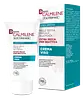
This barrier-repair moisturizer is formulated around Butyrospermum Parkii Butter and Simmondsia Chinensis Seed Oil to strengthen the skin barrier and hydrate skin.
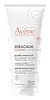
This barrier-repair moisturizer is formulated around Carthamus Tinctorius Seed Oil and Niacinamide to strengthen the skin barrier and hydrate skin.


What's inside
What's inside
 Key Ingredients
Benefits
Concerns
Ingredients Side-by-side
Water
Skin ConditioningCoco-Caprylate
Emollient

Caprylic/Capric Triglyceride
Masking
Cocoglycerides
Emollient

Pentylene Glycol
Skin Conditioning
Arachidyl Alcohol
Emollient
Butyrospermum Parkii Butter
Skin Conditioning


Behenyl Alcohol
Emollient
Cetearyl Alcohol
Emollient
Macadamia Ternifolia Seed Oil
Emollient
Simmondsia Chinensis Seed Oil
Emollient
Brassica Campestris Sterols
EmollientSchizandra Sphenanthera Fruit Extract
Antioxidant
Sodium Hyaluronate
Humectant


Bisabolol
Antioxidant
Lactobacillus Ferment
Skin Conditioning
Cellulose
Absorbent
Xanthan Gum
EmulsifyingTocopherol
Antioxidant


Arachidyl Glucoside
EmulsifyingGlyceryl Stearate
Emollient
Lauroyl Lysine
Skin Conditioning
Maltodextrin
Absorbent
Sodium Stearoyl Glutamate
CleansingPhenylpropanol
Masking

Sodium Phytate
Sodium Hydroxide
BufferingWater, Coco-Caprylate, Caprylic/Capric Triglyceride, Cocoglycerides, Pentylene Glycol, Arachidyl Alcohol, Butyrospermum Parkii Butter, Behenyl Alcohol, Cetearyl Alcohol, Macadamia Ternifolia Seed Oil, Simmondsia Chinensis Seed Oil, Brassica Campestris Sterols, Schizandra Sphenanthera Fruit Extract, Sodium Hyaluronate, Bisabolol, Lactobacillus Ferment, Cellulose, Xanthan Gum, Tocopherol, Arachidyl Glucoside, Glyceryl Stearate, Lauroyl Lysine, Maltodextrin, Sodium Stearoyl Glutamate, Phenylpropanol, Sodium Phytate, Sodium Hydroxide
Water
Skin ConditioningGlycerin
Humectant
Carthamus Tinctorius Seed Oil
Masking
Pentaerythrityl Tetracaprylate/Tetracaprate
EmollientPolyglyceryl-2 Dipolyhydroxystearate
Skin Conditioning
Isopropyl Palmitate
Emollient
Niacinamide
Smoothing



Behenyl Alcohol
Emollient
Benzoic Acid
Masking
Caprylyl Glycol
Emollient
Helianthus Annuus Seed Oil
Emollient
Hydroxyethylcellulose
Emulsion StabilisingLauryl Glucoside
CleansingSilybum Marianum Seed Oil
Skin Conditioning
Sodium Citrate
BufferingSodium Lauryl Glucose Carboxylate
CleansingSodium Stearoyl Glutamate
CleansingSorbic Acid
Preservative
Tocopherol
Antioxidant
Xanthan Gum
EmulsifyingWater, Glycerin, Carthamus Tinctorius Seed Oil, Pentaerythrityl Tetracaprylate/Tetracaprate, Polyglyceryl-2 Dipolyhydroxystearate, Isopropyl Palmitate, Niacinamide, Behenyl Alcohol, Benzoic Acid, Caprylyl Glycol, Helianthus Annuus Seed Oil, Hydroxyethylcellulose, Lauryl Glucoside, Silybum Marianum Seed Oil, Sodium Citrate, Sodium Lauryl Glucose Carboxylate, Sodium Stearoyl Glutamate, Sorbic Acid, Tocopherol, Xanthan Gum
Reviews
Ingredients Explained
These ingredients are found in both products.
Ingredients higher up in an ingredient list are typically present in a larger amount.
Behenyl Alcohol is a type of fatty alcohol (these are different from the drying, solvent alcohols).
Fatty Alcohols have hydrating properties and are most often used as an emollient or to thicken a product. They are usually derived from natural fats and oils; behenyl alcohol is derived from the fats of vegetable oils.
Emollients help keep your skin soft and hydrated by creating a film that traps moisture in.
In 2000, Behenyl Alcohol was approved by the US as medicine to reduce the duration of cold sores.
Learn more about Behenyl AlcoholSodium Stearoyl Glutamate is an amino-acid based emulsifier. It is made by combining stearic acid with L-glutamic acid and neutralizing it to a sodium salt.
As an emulsifier, it works mainly as an oil-in-water one and helps keep the oil and water in your formulas blended. It also contributes to a smooth, non-greasy skin feel.
This ingredient is biodegradable and commonly available in natural/COSMOS-certified grades.
Learn more about Sodium Stearoyl GlutamateTocopherol is a fat-soluble antioxidant known as Vitamin E.
You'll find this ingredient in the vast majority of skincare (for good reason). It works to neutralize free radicals, or unstable molecules generated by UV exposure, pollution, and other environmental stressors, before they can cause oxidative damage to your skin cells.
Topically applied tocopherol has been shown to protect against UV damage by ramping up the skin's own natural defense enzymes.
It also acts as a skin conditioning agent; some studies show that regular topical use can improve the skin's water-binding capacity over 2-4 weeks.
This ingredient is especially loved for being a team player. When combined with Vitamin C, the photoprotective effect of both ingredients roughly doubles and the combo also helps reduce UV-induced DNA damage.
This ingredient has some brightening potential but it's more of a prevention ingredient than spot-fader. Cell studies show it can slow down melanin production but it's worth noting that it's not the most powerful brightener out there.
In formulations, it also serves as a stabilizer that helps protect other oxidation-prone ingredients from degrading.
Concentrations usually range from 0.1-1% in most leave-on products.
Learn more about TocopherolWater. It's the most common cosmetic ingredient of all. You'll usually see it at the top of ingredient lists, meaning that it makes up the largest part of the product.
So why is it so popular? Water most often acts as a solvent - this means that it helps dissolve other ingredients into the formulation.
You'll also recognize water as that liquid we all need to stay alive. If you see this, drink a glass of water. Remember to stay hydrated!
Learn more about WaterXanthan gum is used as a stabilizer and thickener within cosmetic products. It helps give products a sticky, thick feeling - preventing them from being too runny.
On the technical side of things, xanthan gum is a polysaccharide - a combination consisting of multiple sugar molecules bonded together.
Xanthan gum is a pretty common and great ingredient. It is a natural, non-toxic, non-irritating ingredient that is also commonly used in food products.
Learn more about Xanthan Gum

