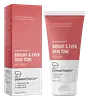
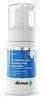
Dermatouch Dailyglow Bright & Even Skin Tone Face Wash Versus The Derma Co 1% Salicylic Acid Foaming Daily Face Wash
This glycolic acid foaming cleanser is formulated around Glycolic Acid to exfoliate and smooth skin.
This salicylic acid foaming cleanser is formulated around Salicylic Acid to clear breakouts and unclog pores.

What's inside
What's inside
 Key Ingredients
Benefits
Concerns
Ingredients Side-by-side
Water
Skin ConditioningStearic Acid
Cleansing



Lauric Acid
Cleansing

Glycerin
Humectant

Sorbitol
Humectant
Myristic Acid
Cleansing
Coco-Glucoside
Cleansing
Propylene Glycol
Humectant
Kojic Acid
Antioxidant



Globules
Glycyrrhiza Glabra Root Extract
Bleaching

Phenoxyethanol
Preservative
Ethylhexylglycerin
Skin ConditioningNiacinamide
Smoothing





Sodium PEG-7 Olive Oil Carboxylate
Emulsifying
Sodium Hydroxide
BufferingSalicylic Acid
Masking


Triclosan
Preservative
Allantoin
Skin Conditioning
Panthenol
Skin Conditioning
Disodium EDTA
ChelatingGlycolic Acid
Buffering

Lactic Acid
Buffering
Tocopherol
Antioxidant
Ascorbic Acid
Antioxidant
Potassium Hydroxide
BufferingParfum
Masking

Water, Stearic Acid, Lauric Acid, Glycerin, Sorbitol, Myristic Acid, Coco-Glucoside, Propylene Glycol, Kojic Acid, Globules, Glycyrrhiza Glabra Root Extract, Phenoxyethanol, Ethylhexylglycerin, Niacinamide, Sodium PEG-7 Olive Oil Carboxylate, Sodium Hydroxide, Salicylic Acid, Triclosan, Allantoin, Panthenol, Disodium EDTA, Glycolic Acid, Lactic Acid, Tocopherol, Ascorbic Acid, Potassium Hydroxide, Parfum
Water
Skin ConditioningCocamidopropyl Betaine
Cleansing
Cocamidopropyl Hydroxysultaine
Cleansing
Maltooligosyl Glucoside
Skin ConditioningHydrogenated Starch Hydrolysate
HumectantDecyl Glucoside
Cleansing
Disodium Laureth Sulfosuccinate
CleansingSodium Lauroyl Sarcosinate
CleansingPropylene Glycol
Humectant
Glycerin
Humectant
Salicylic Acid
Masking
Zinc PCA
Humectant
Allantoin
Skin Conditioning
Sodium Cocoyl Isethionate
Cleansing
Coco-Glucoside
Cleansing
Glyceryl Oleate
Emollient
Gluconolactone
Chelating
Capryloyl Glycine
CleansingSarcosine
Skin Conditioning
Cinnamomum Zeylanicum Bark Extract
Antimicrobial
DMDM Hydantoin
Preservative
Methylchloroisothiazolinone
Preservative
Methylisothiazolinone
Preservative
Sodium Hydroxide
BufferingWater, Cocamidopropyl Betaine, Cocamidopropyl Hydroxysultaine, Maltooligosyl Glucoside, Hydrogenated Starch Hydrolysate, Decyl Glucoside, Disodium Laureth Sulfosuccinate, Sodium Lauroyl Sarcosinate, Propylene Glycol, Glycerin, Salicylic Acid, Zinc PCA, Allantoin, Sodium Cocoyl Isethionate, Coco-Glucoside, Glyceryl Oleate, Gluconolactone, Capryloyl Glycine, Sarcosine, Cinnamomum Zeylanicum Bark Extract, DMDM Hydantoin, Methylchloroisothiazolinone, Methylisothiazolinone, Sodium Hydroxide
Reviews
Ingredients Explained
These ingredients are found in both products.
Ingredients higher up in an ingredient list are typically present in a larger amount.
Allantoin is a soothing ingredient known for its protective and moisturizing properties; it's basically a quiet workhorse ingredient you can find in a huge range of cosmetics.
Though it can be derived from the comfrey plant, allantoin is produced synthetically for cosmetic products to ensure purity.
Research shows it can encourage your skin cells to turn over and renew by stimulating keratinocyte and fibroblast proliferation.
It also has mild keratolytic properties to help loosen and shed dead skin cells without being harsh.
Studies also suggest allantoin can help calm inflammation by dialing down some of the chemical signals your skin sends out when it is irritated.
This ingredient is typically used in the 0.1-0.5% range, and the FDA recognizes it as a skin protectant in OTC products up to 2%.
Overall, allantoin is a wonderful addition to most routines; it is stable across a wide pH range (~4-8), works well with other ingredients, and is considered non-sensitizing/non-irritating.
Fun fact: Allantoin is naturally occurring in comfrey root, beets, chamomile, and wheat sprouts. Our bodies even produce it as a byproduct of uric acid metabolism.
Learn more about AllantoinCoco-Glucoside is a surfactant, or a cleansing ingredient. It is made from glucose and coconut oil.
Surfactants help gather dirt, oil, and other pollutants from your skin to be rinsed away.
This ingredient is considered gentle and non-comedogenic. However, it may still be irritating for some.
Learn more about Coco-GlucosideGlycerin (or glycerol) is a compound naturally found in your skin. It's a powerhouse humectant that pulls water into the stratum corneum.
Topically, glycerin does several things at once:
Your skin makes glycerin on its own (mostly from sebaceous oil breakdown) and shuttles it to your outermost layer of skin, or your epidermis, via aquaporin-3.
Aquaporin-3 is a transporter that is essential for normal skin hydration, elasticity, and repair. Interestingly, mice lacking in AQP3 have dry and less elastic skin that can be fully corrected with glycerin.
This ingredient is non-irritating, plays well with almost every ingredient, and works across all skin types. Typical use is anywhere between 3-10% but can go up to 79% in some leave-on products.
Just know very high concentrations (>40%) can feel tacky in low humidity.
Glycerin is the name for this ingredient in American English. British English uses Glycerol/Glycerine.
Learn more about GlycerinPropylene Glycol is a synthetic, colorless, odorless liquid that has been a staple in cosmetics for decades. It is a skin conditioning agent, humectant, and solvent.
As a humectant, it draw water to the skin to reduce flaking and restore suppleness. It's also a solvent that helps dissolve other actives and keeps formulas stable across temperature changes.
The CIR Expert Panel has confirmed this ingredient to be nontoxic and clinical studies show no sensitization at cosmetic use concentrations.
True allergic reactions are quite rare: a 15-year retrospective study of 6,751 patients found only 0.31% had a positive reaction (and less than half were considered clinically relevant).
It seemed that when sensitization does occur, it's most commonly linked to topical medication (like corticosteroids) and not cosmetics. Allergic contact dermatitis also appears largely limited to individuals with underlying skin conditions.
Overall, propylene glycol is a well-studied ingredient that most people can tolerate without issue.
Learn more about Propylene GlycolSalicylic Acid (also known as beta hydroxy acid or BHA) is a well-known ingredient for treating skin that struggles with acne and clogged pores. It exfoliates both the skin's surface and deep within the pores to help clear out buildup, control oil, and reduce inflammation.
Unlike AHAs (alpha hydroxy acids), salicylic acid is oil-soluble. This allows it to penetrate into pores which makes it especially effective for treating blackheads and preventing future breakouts.
Salicylic acid is also known for its soothing properties. It has a similar structure to aspirin and can calm inflamed or irritated skin, making it a good option for acne-prone skin that is also sensitive.
Concentrations of 0.5-2% are recognized by the U.S. FDA as an over-the-counter topical acne product.
It can cause irritation and/or dryness if one's skin already has a compromised moisture barrier, so it's best to focus on repairing that before introducing this ingredient into your routine.
While salicylic acid does not increase sun sensitivity, it’s still important to wear sunscreen daily to protect your skin.
If you are looking for the ingredient called BHA or Butylated Hydroxyanisole, click here.
Learn more about Salicylic AcidSodium Hydroxide is also known as lye or caustic soda. It is used to adjust the pH of products; many ingredients require a specific pH to be effective.
In small amounts, sodium hydroxide is considered safe to use. However, large amounts may cause chemical burns due to its high alkaline.
Your skin has a natural pH and acid mantle. This acid mantle helps prevent harmful bacteria from breaking through. The acid mantle also helps keep your skin hydrated.
"Alkaline" refers to a high pH level. A low pH level would be considered acidic.
Learn more about Sodium HydroxideWater. It's the most common cosmetic ingredient of all. You'll usually see it at the top of ingredient lists, meaning that it makes up the largest part of the product.
So why is it so popular? Water most often acts as a solvent - this means that it helps dissolve other ingredients into the formulation.
You'll also recognize water as that liquid we all need to stay alive. If you see this, drink a glass of water. Remember to stay hydrated!
Learn more about Water

