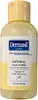
This hydrating toner is formulated around Colloidal Oatmeal and Tremella Fuciformis Extract to hydrate skin and calm redness.
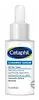
This barrier-repair serum is formulated around Saccharide Isomerate and Panthenol to strengthen the skin barrier and hydrate skin.

What's inside
What's inside
 Key Ingredients
Benefits
Concerns
Ingredients Side-by-side
Water
Skin ConditioningGlycerin
Humectant


Butylene Glycol
Humectant
PPG-15 Stearyl Ether
EmollientC12-15 Alkyl Benzoate
AntimicrobialColloidal Oatmeal
Absorbent

Tremella Fuciformis Extract
Humectant
Polysorbate 60
Emulsifying

Trehalose
Humectant
Polyglyceryl-10 Oleate
Skin Conditioning
Polyglyceryl-3 Oleate
Emulsifying
Phenoxyethanol
Preservative
Hydroxyethylcellulose
Emulsion StabilisingSodium PCA
Humectant
Hydroxyacetophenone
Antioxidant
Jojoba Wax PEG-120 Esters
Surfactant
Xanthan Gum
EmulsifyingCaprylyl Glycol
Emollient
Water, Glycerin, Butylene Glycol, PPG-15 Stearyl Ether, C12-15 Alkyl Benzoate, Colloidal Oatmeal, Tremella Fuciformis Extract, Polysorbate 60, Trehalose, Polyglyceryl-10 Oleate, Polyglyceryl-3 Oleate, Phenoxyethanol, Hydroxyethylcellulose, Sodium PCA, Hydroxyacetophenone, Jojoba Wax PEG-120 Esters, Xanthan Gum, Caprylyl Glycol
Water
Skin ConditioningPropanediol
Solvent
Glycerin
Humectant
1,2-Hexanediol
Skin Conditioning
Saccharide Isomerate
Humectant
Panthenol
Skin Conditioning
Sodium PCA
Humectant
Carbomer
Emulsion StabilisingAllantoin
Skin Conditioning
Centella Asiatica Leaf Extract
Skin Conditioning
Octyldodecanol
Emollient
Sodium Hydroxide
BufferingBiosaccharide Gum-1
Humectant
Polyglyceryl-3 Methylglucose Distearate
Emulsifying
Ethylhexylglycerin
Skin ConditioningCeramide NP
Skin Conditioning
Xanthan Gum
EmulsifyingHydroxyethylcellulose
Emulsion StabilisingCitric Acid
Buffering

Sodium Citrate
BufferingButylene Glycol
Humectant
Caprylyl Glycol
Emollient
Hydrolyzed Gardenia Florida Extract
Antioxidant
Hydrolyzed Malt Extract
Skin ConditioningHydrolyzed Viola Tricolor Extract
Skin ProtectingHyaluronic Acid
Humectant
Hydrolyzed Hyaluronic Acid
Humectant
Sodium Hyaluronate
Humectant
Water, Propanediol, Glycerin, 1,2-Hexanediol, Saccharide Isomerate, Panthenol, Sodium PCA, Carbomer, Allantoin, Centella Asiatica Leaf Extract, Octyldodecanol, Sodium Hydroxide, Biosaccharide Gum-1, Polyglyceryl-3 Methylglucose Distearate, Ethylhexylglycerin, Ceramide NP, Xanthan Gum, Hydroxyethylcellulose, Citric Acid, Sodium Citrate, Butylene Glycol, Caprylyl Glycol, Hydrolyzed Gardenia Florida Extract, Hydrolyzed Malt Extract, Hydrolyzed Viola Tricolor Extract, Hyaluronic Acid, Hydrolyzed Hyaluronic Acid, Sodium Hyaluronate
Reviews
Ingredients Explained
These ingredients are found in both products.
Ingredients higher up in an ingredient list are typically present in a larger amount.
Butylene Glycol (or BG) is used within cosmetic products for a few different reasons:
Overall, Butylene Glycol is a safe and well-rounded ingredient that works well with other ingredients.
Though this ingredient works well with most skin types, some people with sensitive skin may experience a reaction such as allergic rashes, closed comedones, or itchiness.
Learn more about Butylene GlycolCaprylyl Glycol is a humectant, skin conditioner, emollient, and preservative booster derived from either caprylic acid or synthetically created.
Typical use levels vary from 0.3-1% as a preservative booster and go up to 2% to condition skin.
Because it is not a free-fatty acid, this ingredient is fungal acne safe (there's nothing for Malassezia to feed on).
Learn more about Caprylyl GlycolGlycerin (or glycerol) is a compound naturally found in your skin. It's a powerhouse humectant that pulls water into the stratum corneum.
Topically, glycerin does several things at once:
Your skin makes glycerin on its own (mostly from sebaceous oil breakdown) and shuttles it to your outermost layer of skin, or your epidermis, via aquaporin-3.
Aquaporin-3 is a transporter that is essential for normal skin hydration, elasticity, and repair. Interestingly, mice lacking in AQP3 have dry and less elastic skin that can be fully corrected with glycerin.
This ingredient is non-irritating, plays well with almost every ingredient, and works across all skin types. Typical use is anywhere between 3-10% but can go up to 79% in some leave-on products.
Just know very high concentrations (>40%) can feel tacky in low humidity.
Glycerin is the name for this ingredient in American English. British English uses Glycerol/Glycerine.
Learn more about GlycerinHydroxyethylcellulose is used to improve the texture of products. It is created from a chemical reaction involving ethylene oxide and alkali-cellulose. Cellulose is a sugar found in plant cell walls and help give plants structure.
This ingredient helps stabilize products by preventing ingredients from separating. It can also help thicken the texture of a product.
This ingredient can also be found in pill medicines to help our bodies digest other ingredients.
Learn more about HydroxyethylcelluloseSodium PCA (the salt of PCA) is one of the most well-established humectants in skincare.
Why is it so special? Your skin already makes it naturally; it's a natural component of your skin's Natural Moisturizing Factor (NMF), or the mix of water-binding compounds inside your skin cells that keeps things soft and hydrated.
As a cosmetic ingredient, it grabs water and holds it in the upper layers of skin to smooth roughness and ease dehydration.
There's some clinical support for the NMF approach with a study showing that a cream built to mimic the skin's NMF significantly boosted hydration.
Safety-wise, this ingredient non-irritating, non-comedogenic, and non-phototoxic in testing, with minimal skin absorption.
It also works really well with other hydrators like glycerin or hyaluronic acid, and typical usage is somewhere between 0.2-4%.
Learn more about Sodium PCAWater. It's the most common cosmetic ingredient of all. You'll usually see it at the top of ingredient lists, meaning that it makes up the largest part of the product.
So why is it so popular? Water most often acts as a solvent - this means that it helps dissolve other ingredients into the formulation.
You'll also recognize water as that liquid we all need to stay alive. If you see this, drink a glass of water. Remember to stay hydrated!
Learn more about WaterXanthan gum is used as a stabilizer and thickener within cosmetic products. It helps give products a sticky, thick feeling - preventing them from being too runny.
On the technical side of things, xanthan gum is a polysaccharide - a combination consisting of multiple sugar molecules bonded together.
Xanthan gum is a pretty common and great ingredient. It is a natural, non-toxic, non-irritating ingredient that is also commonly used in food products.
Learn more about Xanthan Gum

