
What's inside
What's inside
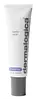 Key Ingredients
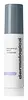
Benefits
Concerns
Ingredients Side-by-side
Cyclopentasiloxane
Emollient
Dimethicone Crosspolymer
Emulsion Stabilising
Dimethicone
Emollient
Lauryl PEG-9 Polydimethylsiloxyethyl Dimethicone
Skin Conditioning
Tocopheryl Acetate
Antioxidant


Bisabolol
Antioxidant



Zingiber Officinale Root Extract
Masking
Avena Sativa Kernel Oil
Skin Conditioning

Butylene Glycol
Humectant
Boerhavia Diffusa Root Extract
Skin Protecting
Glycerin
Humectant
Avena Sativa Kernel Extract
Abrasive
Stearyl Glycyrrhetinate
Skin ConditioningPentylene Glycol
Skin Conditioning
Hydroxyphenyl Propamidobenzoic Acid
Skin ConditioningOenothera Biennis Oil
Emollient
Tocopherol
Antioxidant

Ascorbyl Palmitate
Antioxidant
Borago Officinalis Seed Oil
Emollient
Safflower Oil/Palm Oil Aminopropanediol Esters
Skin Conditioning
Tetrahexyldecyl Ascorbate
Antioxidant

Water
Skin ConditioningCyclopentasiloxane, Dimethicone Crosspolymer, Dimethicone, Lauryl PEG-9 Polydimethylsiloxyethyl Dimethicone, Tocopheryl Acetate, Bisabolol, Zingiber Officinale Root Extract, Avena Sativa Kernel Oil, Butylene Glycol, Boerhavia Diffusa Root Extract, Glycerin, Avena Sativa Kernel Extract, Stearyl Glycyrrhetinate, Pentylene Glycol, Hydroxyphenyl Propamidobenzoic Acid, Oenothera Biennis Oil, Tocopherol, Ascorbyl Palmitate, Borago Officinalis Seed Oil, Safflower Oil/Palm Oil Aminopropanediol Esters, Tetrahexyldecyl Ascorbate, Water
Water
Skin ConditioningGlycerin
Humectant
Cyclomethicone
Emollient
Caprylic/Capric Triglyceride
Masking
Oenothera Biennis Oil
Emollient
Dimethicone
Emollient
Behenyl Alcohol
Emollient
Butylene Glycol
Humectant
Cetearyl Alcohol
Emollient
Leuconostoc/Radish Root Ferment Filtrate
Antimicrobial
Portulaca Oleracea Extract
Skin Conditioning
Ophiopogon Japonicus Root Extract
Skin ConditioningAvena Sativa Kernel Extract
Abrasive
Coco-Glucoside
Cleansing
Acetyl Tetrapeptide-15
Skin Conditioning
Pentylene Glycol
Skin Conditioning
Hydroxyphenyl Propamidobenzoic Acid
Skin ConditioningCetyl Ethylhexanoate
EmollientBisabolol
Antioxidant
Zingiber Officinale Root Extract
Masking
Boerhavia Diffusa Root Extract
Skin Protecting
Persea Gratissima Oil
Skin Conditioning
Phytosterols
Skin Conditioning
Helianthus Annuus Seed Extract
Skin Conditioning
Decyl Glucoside
Cleansing
Salvia Officinalis Oil
Masking
Sodium Hyaluronate
Humectant
Polysorbate 60
Emulsifying
Limonene
Perfuming




Linalool
Perfuming
Water, Glycerin, Cyclomethicone, Caprylic/Capric Triglyceride, Oenothera Biennis Oil, Dimethicone, Behenyl Alcohol, Butylene Glycol, Cetearyl Alcohol, Leuconostoc/Radish Root Ferment Filtrate, Portulaca Oleracea Extract, Ophiopogon Japonicus Root Extract, Avena Sativa Kernel Extract, Coco-Glucoside, Acetyl Tetrapeptide-15, Pentylene Glycol, Hydroxyphenyl Propamidobenzoic Acid, Cetyl Ethylhexanoate, Bisabolol, Zingiber Officinale Root Extract, Boerhavia Diffusa Root Extract, Persea Gratissima Oil, Phytosterols, Helianthus Annuus Seed Extract, Decyl Glucoside, Salvia Officinalis Oil, Sodium Hyaluronate, Polysorbate 60, Limonene, Linalool
Ingredients Explained
These ingredients are found in both products.
Ingredients higher up in an ingredient list are typically present in a larger amount.
Avena Sativa Kernel Extract is is derived from colloidal oatmeal. Besides being a healthy breakfast, oats have many benefits in skincare too.
This ingredient helps sooth, hydrate, and protect the skin. The starches in colloidal oatmeal are able to bind water, keeping the skin hydrated.
The cellulose and fiber in colloidal oatmeal help reduce inflammation. This can also help the skin feel softer.
Colloidal Oatmeal is also an antioxidant. Antioxidants protect our skin from free-radical damage.
Oatmeal also contains beneficial compounds:
This ingredient is created by mixing grounded oatmeal and a liquid base.
Learn more about Avena Sativa Kernel ExtractBisabolol is a gentle skin conditioner, antioxidant, and soothing ingredient.
It's primary claim to fame is soothing and research shows topically applied bisabolol can quiet the chemical messengers that cause your skin to become inflamed, helping to sooth any irritation.
A clinical study found that applying 0.5% bisabolol daily for 8 weeks produced an average 9% decrease in skin pigmentation. Researchers found it can also suppress the process that leads to excess melanin production in skin.
In vitro studies found that bisabolol combined with propylene glycol significantly increased skin permeability by increasing lipid fluidity in the stratum corneum.
You'll likely see use concentrations quite low, usually 0.1-0.2%.
Overall, this is a well-tolerated ingredient that works well in formulas designed for sensitive, reactive, or post-procedure skin.
Learn more about BisabololBoerhavia Diffusa Root Extract comes from the Boerhavia Diffusa tree, or more commonly known as punarnava, red spiderling, spreading hogweed, or tarvine.
This tree is native to India and commonly used in ayurvedic medicine.
Studies show this extract helps soothe and hydrate skin. This root contains many amino acids that help moisturize skin, such as arginine and glycine.
Boerhavia Diffusa Root Extract also contains antioxidants, antioxidants help fight free-radicals. Free-radicals are molecules that may damage your skin cells.
Learn more about Boerhavia Diffusa Root ExtractButylene Glycol (or BG) is used within cosmetic products for a few different reasons:
Overall, Butylene Glycol is a safe and well-rounded ingredient that works well with other ingredients.
Though this ingredient works well with most skin types, some people with sensitive skin may experience a reaction such as allergic rashes, closed comedones, or itchiness.
Learn more about Butylene GlycolDimethicone is a type of synthetic silicone created from natural materials such as quartz. It is also known as polydimethylsiloxane.
What it does:
Dimethicone comes in different viscosities:
Depending on the viscosity, dimethicone has different properties.
Ingredients lists don't always show which type is used, so we recommend reaching out to the brand if you have questions about the viscosity.
This ingredient is unlikely to cause irritation because it does not get absorbed into skin. However, people with silicone allergies should be careful about using this ingredient.
Note: Dimethicone may contribute to pilling. This is because it is not oil or water soluble, so pilling may occur when layered with products. When mixed with heavy oils in a formula, the outcome is also quite greasy.
Learn more about DimethiconeGlycerin (or glycerol) is a compound naturally found in your skin. It's a powerhouse humectant that pulls water into the stratum corneum.
Topically, glycerin does several things at once:
Your skin makes glycerin on its own (mostly from sebaceous oil breakdown) and shuttles it to your outermost layer of skin, or your epidermis, via aquaporin-3.
Aquaporin-3 is a transporter that is essential for normal skin hydration, elasticity, and repair. Interestingly, mice lacking in AQP3 have dry and less elastic skin that can be fully corrected with glycerin.
This ingredient is non-irritating, plays well with almost every ingredient, and works across all skin types. Typical use is anywhere between 3-10% but can go up to 79% in some leave-on products.
Just know very high concentrations (>40%) can feel tacky in low humidity.
Glycerin is the name for this ingredient in American English. British English uses Glycerol/Glycerine.
Learn more about GlycerinWe don't have a description for Hydroxyphenyl Propamidobenzoic Acid yet.
Oenothera Biennis Oil (aka Evening Primrose Oil) is a non-fragrant oil from the evening primrose. Like other botanical oils, it is an emollient that helps hydrate and nourish skin.
It has an interesting fatty acid profile: linoleic (70-74%) and γ-linolenic (8-10%), with some amounts ofoleic palmitic, and stearic acids.
The gamma-linoleic acid (GLA) is the headliner here; it's relatively rare in plant oils and acts as a precursor for anti-inflammatory signaling molecules in the skin.
There's a mixed body of clinical research with this ingredient as well, mostly on eczema/atopic dermatitis skin.
Some controlled trials showed improvement in inflammation, dryness, scaling, and overall severity. Other studies and large meta-analysis failed to show a significant effect; the honest takeaway here is "promising but inconsistent" rather than "miracle oil".
On the safety front, this ingredient is found to be safe as used in cosmetics and even has a history of safe food use.
Since this oil is contains oleic acid and palmitic acid, it may not be fungal acne safe. The Malassezia yeast feeds on fatty acids with carbon chain lengths between C11-C24. Oleic Acid sits at C18 and Palmitic acid sits at C16.
In vitro studies have shown that oleic acid and palmitic acid are some of the fatty acids that induce rapid Malassezia growth in lab settings.
Learn more about Oenothera Biennis OilPentylene glycol is typically used within a product to thicken it. It also adds a smooth, soft, and moisturizing feel to the product. It is naturally found in plants such as sugar beets.
The hydrophilic trait of Pentylene Glycol makes it a humectant. As a humectant, Pentylene Glycol helps draw moisture from the air to your skin. This can help keep your skin hydrated.
This property also makes Pentylene Glycol a great texture enhancer. It can also help thicken or stabilize a product.
Pentylene Glycol also acts as a mild preservative and helps to keep a product microbe-free.
Some people may experience mild eye and skin irritation from Pentylene Glycol. We always recommend speaking with a professional about using this ingredient in your routine.
Pentylene Glycol has a low molecular weight and is part of the 1,2-glycol family.
Learn more about Pentylene GlycolWater. It's the most common cosmetic ingredient of all. You'll usually see it at the top of ingredient lists, meaning that it makes up the largest part of the product.
So why is it so popular? Water most often acts as a solvent - this means that it helps dissolve other ingredients into the formulation.
You'll also recognize water as that liquid we all need to stay alive. If you see this, drink a glass of water. Remember to stay hydrated!
Learn more about WaterZingiber Officinale is more commonly known as ginger.
Ginger root has antioxidant, anti-inflammation, and antimicrobial properties.
The antioxidant properties help protect your body from free-radicals. Free-radicals are molecules that may damage your skin cells. As a result, ginger may help slow down signs of aging such as hyperpigmentation and wrinkles.
Studies show ginger inhibits the enzyme that breaks down collagen. It also helps with:
This ingredient has no negative side-effects and is safe to use unless one has a specific allergy to it.
Ginger originates from Southeast Asia but has spread throughout the world. It is now a common spice used in many cultures.
Learn more about Zingiber Officinale Root Extract
