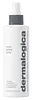
This hydrating toner is formulated around Aloe Barbadensis Leaf Extract and Arginine to hydrate skin and calm redness.
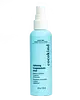
This calming toner is formulated around Magnesium PCA and Zinc PCA to calm redness and hydrate skin.

What's inside
What's inside
 Key Ingredients
Benefits
Concerns
Ingredients Side-by-side
Water
Skin ConditioningButylene Glycol
Humectant

Aloe Barbadensis Leaf Extract
Emollient

Arginine
Masking
Lavandula Angustifolia Flower/Leaf/Stem Extract
Masking

Melissa Officinalis Leaf Extract
Skin ConditioningCitrus Limon Peel Oil
Masking




Citrus Aurantium Bergamia Fruit Oil
Masking
Cymbopogon Nardus Oil
Masking
Glycine
Buffering
Alanine
Masking
Serine
Masking
Lavandula Angustifolia Oil
Masking
Dipotassium Glycyrrhizate
Humectant
Cucumis Sativus Fruit Extract
Emollient
Arnica Montana Flower Extract
Masking
Hedera Helix Extract
AntimicrobialMalva Sylvestris Flower Extract
Skin ConditioningParietaria Officinalis Extract
EmollientSambucus Nigra Flower Extract
RefreshingTocopherol
Antioxidant




Phenylalanine
Masking
Histidine
Humectant
Valine
MaskingIsoleucine
Skin ConditioningProline
Skin Conditioning
Threonine
Sodium PCA
Humectant
Sodium Lactate
Buffering
Citric Acid
Buffering

Polyquaternium-4
Aspartic Acid
Masking
PCA
Humectant
Ethylhexylglycerin
Skin ConditioningMethyl Gluceth-20
Humectant
Polysorbate 20
Emulsifying
1,2-Hexanediol
Skin Conditioning
Caprylyl Glycol
Emollient
PEG-12 Dimethicone
Skin Conditioning
Ricinoleth-40
CleansingSodium Citrate
BufferingSodium Hydroxide
BufferingTetrasodium Glutamate Diacetate
Linalool
Perfuming
Limonene
Perfuming
Citral
Perfuming
Geraniol
Perfuming
Phenoxyethanol
Preservative
Water, Butylene Glycol, Aloe Barbadensis Leaf Extract, Arginine, Lavandula Angustifolia Flower/Leaf/Stem Extract, Melissa Officinalis Leaf Extract, Citrus Limon Peel Oil, Citrus Aurantium Bergamia Fruit Oil, Cymbopogon Nardus Oil, Glycine, Alanine, Serine, Lavandula Angustifolia Oil, Dipotassium Glycyrrhizate, Cucumis Sativus Fruit Extract, Arnica Montana Flower Extract, Hedera Helix Extract, Malva Sylvestris Flower Extract, Parietaria Officinalis Extract, Sambucus Nigra Flower Extract, Tocopherol, Phenylalanine, Histidine, Valine, Isoleucine, Proline, Threonine, Sodium PCA, Sodium Lactate, Citric Acid, Polyquaternium-4, Aspartic Acid, PCA, Ethylhexylglycerin, Methyl Gluceth-20, Polysorbate 20, 1,2-Hexanediol, Caprylyl Glycol, PEG-12 Dimethicone, Ricinoleth-40, Sodium Citrate, Sodium Hydroxide, Tetrasodium Glutamate Diacetate, Linalool, Limonene, Citral, Geraniol, Phenoxyethanol
Water
Skin ConditioningSea Silt Extract
Skin ConditioningLeuconostoc/Radish Root Ferment Filtrate
Antimicrobial
Glycerin
Humectant
Magnesium PCA
Humectant
Zinc PCA
Humectant



Sodium PCA
Humectant
Manganese PCA
HumectantPolylysine
Nelumbo Nucifera Flower Water
TonicNymphaea Caerulea Flower Water
Skin ConditioningBiosaccharide Gum-2
Skin ConditioningMaltodextrin
Absorbent
Ethylhexylglycerin
Skin ConditioningCitric Acid
Buffering
Potassium Sorbate
Preservative
Sodium Gluconate
Skin ConditioningSodium Benzoate
Masking
1,2-Hexanediol
Skin Conditioning
Sodium Hydroxide
BufferingWater, Sea Silt Extract, Leuconostoc/Radish Root Ferment Filtrate, Glycerin, Magnesium PCA, Zinc PCA, Sodium PCA, Manganese PCA, Polylysine, Nelumbo Nucifera Flower Water, Nymphaea Caerulea Flower Water, Biosaccharide Gum-2, Maltodextrin, Ethylhexylglycerin, Citric Acid, Potassium Sorbate, Sodium Gluconate, Sodium Benzoate, 1,2-Hexanediol, Sodium Hydroxide
Reviews
Ingredients Explained
These ingredients are found in both products.
Ingredients higher up in an ingredient list are typically present in a larger amount.
1,2-Hexanediol is a synthetic liquid and another multi-functional powerhouse.
It is a:
- Humectant, drawing moisture into the skin
- Emollient, helping to soften skin
- Solvent, dispersing and stabilizing formulas
- Preservative booster, enhancing the antimicrobial activity of other preservatives
Citric Acid is an alpha hydroxy acid (AHA) naturally found in citrus fruits like oranges, lemons, and limes.
Like other AHAs, citric acid can exfoliate skin by breaking down the bonds that hold dead skin cells together. This helps reveal smoother and brighter skin underneath.
However, this exfoliating effect only happens at high concentrations (20%) which can be hard to find in cosmetic products.
Due to this, citric acid is usually included in small amounts as a pH adjuster. This helps keep products slightly more acidic and compatible with skin's natural pH.
In skincare formulas, citric acid can:
While it can provide some skin benefits, research shows lactic acid and glycolic acid are generally more effective and less irritating exfoliants.
Most citric acid used in skincare today is made by fermenting sugars (usually from molasses). This synthetic version is identical to the natural citrus form but easier to stabilize and use in formulations.
Rosacea skin has a lower threshold for acids generally, with 62.5% of rosacea subjects in one study reacting to lactic acid in a sting test. This is why we mark citric acid as a potential rosacea trigger.
However, this ingredient shows up as a pH adjuster or chelator at roughly 0.1-1% in many products. These low levels are unlikely to be an issue for rosacea skin and becomes a potential trigger at exfoliating concentrations (20%). Because everybody's skin is unique, we recommend a patch test if you are unsure.
Learn more about Citric AcidEthylhexylglycerin is created from glycerin. It is a multitasker ingredient that:
The CIR Expert Panel found minimal skin absorption or sensitization of any kind in a safety assessment. Though this ingredient is considered well-tolerated, a small number of cases of allergic dermatitis have been published since 2002. Just be sure to patch test if you are unsure.
Industry-reported use ranges from 8% in rinse-off products and 2% in leave-on formulations.
Learn more about EthylhexylglycerinSodium Hydroxide is also known as lye or caustic soda. It is used to adjust the pH of products; many ingredients require a specific pH to be effective.
In small amounts, sodium hydroxide is considered safe to use. However, large amounts may cause chemical burns due to its high alkaline.
Your skin has a natural pH and acid mantle. This acid mantle helps prevent harmful bacteria from breaking through. The acid mantle also helps keep your skin hydrated.
"Alkaline" refers to a high pH level. A low pH level would be considered acidic.
Learn more about Sodium HydroxideSodium PCA (the salt of PCA) is one of the most well-established humectants in skincare.
Why is it so special? Your skin already makes it naturally; it's a natural component of your skin's Natural Moisturizing Factor (NMF), or the mix of water-binding compounds inside your skin cells that keeps things soft and hydrated.
As a cosmetic ingredient, it grabs water and holds it in the upper layers of skin to smooth roughness and ease dehydration.
There's some clinical support for the NMF approach with a study showing that a cream built to mimic the skin's NMF significantly boosted hydration.
Safety-wise, this ingredient non-irritating, non-comedogenic, and non-phototoxic in testing, with minimal skin absorption.
It also works really well with other hydrators like glycerin or hyaluronic acid, and typical usage is somewhere between 0.2-4%.
Learn more about Sodium PCAWater. It's the most common cosmetic ingredient of all. You'll usually see it at the top of ingredient lists, meaning that it makes up the largest part of the product.
So why is it so popular? Water most often acts as a solvent - this means that it helps dissolve other ingredients into the formulation.
You'll also recognize water as that liquid we all need to stay alive. If you see this, drink a glass of water. Remember to stay hydrated!
Learn more about Water


