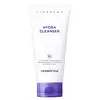
This mild cream cleanser is made to cleanse while respecting your skin barrier.
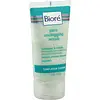
This acne exfoliator is formulated around Salicylic Acid to clear breakouts and refine skin texture.


What's inside
What's inside
 Key Ingredients
Benefits
Concerns
Ingredients Side-by-side
Glycerin
Humectant


Water
Skin ConditioningSodium Cocoyl Isethionate
Cleansing
Glycol Distearate
Emollient

Potassium Cetyl Phosphate
EmulsifyingPotassium Cocoyl Glycinate
Surfactant
Disodium Laureth Sulfosuccinate
CleansingSodium Citrate
BufferingPropanediol
Solvent
Citric Acid
Buffering

Caprylyl Glycol
Emollient
Hydroxypropyl Starch Phosphate
Niacinamide
Smoothing








Betaine
Humectant
Disodium EDTA
ChelatingEthylhexylglycerin
Skin ConditioningHydrogenated Lecithin
Emulsifying
1,2-Hexanediol
Skin Conditioning
Caprylic/Capric Triglyceride
Masking
Sodium Guaiazulene Sulfonate
SurfactantArginine
Masking
Sodium Surfactin
CleansingSodium Polyacryloyldimethyl Taurate
Emulsion StabilisingSodium Hyaluronate
Humectant
Palmitoyl Tripeptide-1
Skin Conditioning
Copper Tripeptide-1
Skin Conditioning
Butylene Glycol
Humectant
Perilla Ocymoides Leaf Extract
TonicGlycine
Buffering
Serine
Masking
Aspartic Acid
Masking
Glutamic Acid
Humectant
Leucine
Skin ConditioningLysine
Skin ConditioningAlanine
Masking
Proline
Skin Conditioning
Phenylalanine
Masking
Threonine
Valine
MaskingIsoleucine
Skin ConditioningTyrosine
MaskingHistidine
Humectant
Cysteine
Antioxidant
Methionine
Skin ConditioningGlycerin, Water, Sodium Cocoyl Isethionate, Glycol Distearate, Potassium Cetyl Phosphate, Potassium Cocoyl Glycinate, Disodium Laureth Sulfosuccinate, Sodium Citrate, Propanediol, Citric Acid, Caprylyl Glycol, Hydroxypropyl Starch Phosphate, Niacinamide, Betaine, Disodium EDTA, Ethylhexylglycerin, Hydrogenated Lecithin, 1,2-Hexanediol, Caprylic/Capric Triglyceride, Sodium Guaiazulene Sulfonate, Arginine, Sodium Surfactin, Sodium Polyacryloyldimethyl Taurate, Sodium Hyaluronate, Palmitoyl Tripeptide-1, Copper Tripeptide-1, Butylene Glycol, Perilla Ocymoides Leaf Extract, Glycine, Serine, Aspartic Acid, Glutamic Acid, Leucine, Lysine, Alanine, Proline, Phenylalanine, Threonine, Valine, Isoleucine, Tyrosine, Histidine, Cysteine, Methionine
Salicylic Acid 2%
Masking




Water
Skin ConditioningSodium Cocoyl Isethionate
Cleansing
Glycerin
Humectant
Synthetic Wax
Abrasive

Glycol Distearate
Emollient
PEG-6 Caprylic/Capric Glycerides
EmulsifyingEthoxydiglycol
HumectantCetyl Alcohol
Emollient
PEG-12 Dimethicone
Skin Conditioning
Sodium Lauroyl Lactylate
EmulsifyingMenthol
Masking
Benzophenone-4
UV Absorber
Propylene Glycol
Humectant
Xanthan Gum
EmulsifyingAcrylates/C10-30 Alkyl Acrylate Crosspolymer
Emulsion StabilisingDiazolidinyl Urea
Preservative
Iodopropynyl Butylcarbamate
Preservative
Sodium Hydroxide
BufferingParfum
Masking

Blue 1 Lake
Cosmetic ColorantCI 19140
Cosmetic ColorantCI 42090
Cosmetic ColorantSalicylic Acid 2%, Water, Sodium Cocoyl Isethionate, Glycerin, Synthetic Wax, Glycol Distearate, PEG-6 Caprylic/Capric Glycerides, Ethoxydiglycol, Cetyl Alcohol, PEG-12 Dimethicone, Sodium Lauroyl Lactylate, Menthol, Benzophenone-4, Propylene Glycol, Xanthan Gum, Acrylates/C10-30 Alkyl Acrylate Crosspolymer, Diazolidinyl Urea, Iodopropynyl Butylcarbamate, Sodium Hydroxide, Parfum, Blue 1 Lake, CI 19140, CI 42090
Ingredients Explained
These ingredients are found in both products.
Ingredients higher up in an ingredient list are typically present in a larger amount.
Glycerin (or glycerol) is a compound naturally found in your skin. It's a powerhouse humectant that pulls water into the stratum corneum.
Topically, glycerin does several things at once:
Your skin makes glycerin on its own (mostly from sebaceous oil breakdown) and shuttles it to your outermost layer of skin, or your epidermis, via aquaporin-3.
Aquaporin-3 is a transporter that is essential for normal skin hydration, elasticity, and repair. Interestingly, mice lacking in AQP3 have dry and less elastic skin that can be fully corrected with glycerin.
This ingredient is non-irritating, plays well with almost every ingredient, and works across all skin types. Typical use is anywhere between 3-10% but can go up to 79% in some leave-on products.
Just know very high concentrations (>40%) can feel tacky in low humidity.
Glycerin is the name for this ingredient in American English. British English uses Glycerol/Glycerine.
Learn more about GlycerinGlycol Distearate is an emulsifier and emollient that adds a "pearly" appearance to formulations.
That lustrous look you see in many shampoos is due to this ingredient: when cooled, it crystallizes into small platelets that reflect light to give products that rich, shimmering look.
This ingredient is considered safe at present practices of use and concentration and repeated insult patch test with 50% Glycol Distearate on 125 subjects found no evidence of skin irritation, hypersensitivity, or acute toxicity.
Typical use concentrations range from 0.1-10%.
Because it's an ester of stearic acid, it falls into the range that Malassezia likes to metabolize. This ingredient may not be fungal acne safe.
Learn more about Glycol DistearateSodium cocoyl isethionate is a natural ingredient from coconut oil. It is an ultra gentle cleanser that gives a nice foam without drying the skin or impacting the skin barrier.
The amount of foam created depends on the amount of sodium cocoyl isethionate used in the product.
This ingredient also helps improve the spreadability of a product.
This ingredient hasn’t been shown in studies to feed fungal acne yeast.
Learn more about Sodium Cocoyl IsethionateWater. It's the most common cosmetic ingredient of all. You'll usually see it at the top of ingredient lists, meaning that it makes up the largest part of the product.
So why is it so popular? Water most often acts as a solvent - this means that it helps dissolve other ingredients into the formulation.
You'll also recognize water as that liquid we all need to stay alive. If you see this, drink a glass of water. Remember to stay hydrated!
Learn more about Water

