DefenAge 24/7 Barrier Balance Anti-Aging Cream Versus Haruharu Wonder Black Rice Moisture Cleansing Oil
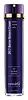
This barrier-repair moisturizer is formulated around Niacinamide to strengthen the skin barrier and soften the look of wrinkles.
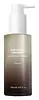
This oil-based makeup remover is made to dissolve makeup, sunscreen, and daily buildup.


What's inside
What's inside
 Key Ingredients
Benefits
Concerns
Ingredients Side-by-side
Water
Skin ConditioningCarthamus Tinctorius Oleosomes
Emollient

Butyrospermum Parkii Butter
Skin Conditioning




Macadamia Integrifolia Seed Oil
Skin Conditioning
Niacinamide
Smoothing










Yeast Extract
Skin ConditioningAmmonium Acryloyldimethyltaurate/Vp Copolymer
Helianthus Annuus Seed Oil
Emollient
Phospholipids
Skin Conditioning
Alpha-Defensin 5
Beta-Defensin 3
Hyaluronic Acid
Humectant
Ophiopogon Japonicus Root Extract
Skin ConditioningHydrolyzed Candida Saitoana Extract
Skin ProtectingSea Whip Extract
Skin ConditioningLycium Chinense Fruit Extract
Antioxidant
Vaccinium Angustifolium Fruit Extract
Skin Protecting
Vaccinium Macrocarpon Fruit Extract
AstringentRosmarinus Officinalis Leaf Extract
AntimicrobialPanthenol
Skin Conditioning
Serum Albumin
HumectantTocopheryl Acetate
Antioxidant
Ubiquinone
Antioxidant
Alanyl Glutamine
HumectantLeuconostoc/Radish Root Ferment Filtrate
Antimicrobial
Xanthan Gum
EmulsifyingPhytic Acid

Polysorbate 20
Emulsifying
Caprylic/Capric Triglyceride
Masking
Phenoxyethanol
Preservative
Caprylyl Glycol
Emollient
Ethylhexylglycerin
Skin ConditioningHexylene Glycol
EmulsifyingPotassium Sorbate
Preservative
Sodium Chloride
MaskingParfum
Masking


Water, Carthamus Tinctorius Oleosomes, Butyrospermum Parkii Butter, Macadamia Integrifolia Seed Oil, Niacinamide, Yeast Extract, Ammonium Acryloyldimethyltaurate/Vp Copolymer, Helianthus Annuus Seed Oil, Phospholipids, Alpha-Defensin 5, Beta-Defensin 3, Hyaluronic Acid, Ophiopogon Japonicus Root Extract, Hydrolyzed Candida Saitoana Extract, Sea Whip Extract, Lycium Chinense Fruit Extract, Vaccinium Angustifolium Fruit Extract, Vaccinium Macrocarpon Fruit Extract, Rosmarinus Officinalis Leaf Extract, Panthenol, Serum Albumin, Tocopheryl Acetate, Ubiquinone, Alanyl Glutamine, Leuconostoc/Radish Root Ferment Filtrate, Xanthan Gum, Phytic Acid, Polysorbate 20, Caprylic/Capric Triglyceride, Phenoxyethanol, Caprylyl Glycol, Ethylhexylglycerin, Hexylene Glycol, Potassium Sorbate, Sodium Chloride, Parfum
Reviews
Ingredients Explained
These ingredients are found in both products.
Ingredients higher up in an ingredient list are typically present in a larger amount.
Caprylic/Capric Triglyceride (aka MCT Oil) is a lightweight emollient, solvent, and texture enhancer. It is considered a skin-softener by helping to prevent moisture loss.
Though it behaves like an oil, it is not technically one due to its chemical composition. One perk of this ingredient is that it is very stable, resistant to oxidation, and unlikely to go rancid.
In practice, that translates to a long shelf life and a consistently elegant skin feel.
While there is an assumption Caprylic Triglyceride can clog pores due to it being derived from coconut oil, there is no research supporting this. Just patch test if you have concerns.
Fractionated coconut oil and MCT Oil are both listed as Caprylic/Capric Triglyceride according to INCI. This is because INCI names are based on the ingredient’s final chemical composition and not its marketing name or source.
This ingredient is treated as the gold standard fungal acne safe oil. Even though it is coconut derived, the problematic lauric acid is stripped out.
This leaves just caprylic (C8) and capric (C10) acid. These chain lengths actually trend antifungal; a 2020 study found caprylic acid was enough to disrupt Malassezia furfur cell membrane, with a caprylic acid derivative damaging membrane structures at concentrations as low as 0.2%.
Learn more about Caprylic/Capric TriglycerideEthylhexylglycerin is created from glycerin. It is a multitasker ingredient that:
The CIR Expert Panel found minimal skin absorption or sensitization of any kind in a safety assessment. Though this ingredient is considered well-tolerated, a small number of cases of allergic dermatitis have been published since 2002. Just be sure to patch test if you are unsure.
Industry-reported use ranges from 8% in rinse-off products and 2% in leave-on formulations.
Learn more about EthylhexylglycerinHelianthus Annuus Seed Oil is a plant oil derived from the seeds of a sunflower.
It is rich in fatty acids, primarily linoleic acid and oleic acid. This gives it emollient and skin conditioning properties.
The reason this ingredient is so effective is because it forms a thin film on the skin that reduces transepidermal water loss (TEWL) while supplying linoleic acid to the stratum corneum to improve barrier strength.
The high linoleic acid content is particularly noteworthy for acne-prone skin.
Research suggests that acne-prone skin tends to be deficient in linoleic acid in sebum. Topical application may help replenish this to support a healthier follicular environment and less comedone-promoting sebum.
One randomized study found sunflower seed oil preserved skin barrier integrity in adult volunteers with and without atopic dermatitis (outperforming olive oil).
This ingredient is well-studied, gentle, and an effective emollient suitable for most skin types.
On fungal acne: This ingredient may not be Fungal acne (Malassezia folliculitis) safe. This is because it contains fatty acids with carbon chain lengths in the C11-C24 range.
Learn more about Helianthus Annuus Seed OilThis ingredient is also known as Macadamia Seed Oil. It's an emollient with a fatty acid profile that closely mirrors the skin's own lipid makeup.
The palmitoleic acid content is especially notable as it's somewhat rare in plant oils. Palmitoleic acid is something your skin already makes naturally. It helps keep cell membranes structured and plays a role in fighting off harmful microbes.
This palmitoleic content is also part of why macademia seed oil absorbs quickly and doesn't leave much of a greasy residue.
It also contains oleic acid, linoleic acid, and phytosterols that can help reduce redness.
In vitro research has shown the oil to have meaningful antioxidant activity, protect fats in the skin from oxidative damage, and slow down the enzyme that breaks down hyaluronic acid.
A 2024 clinical study found it effective at improving skin hydratino and reducing wrinkle appearance when formulated into nanoemulsions.
Because it carries oleic acid (C18) and palmitic acid (C16), this ingredient may not be fungal acne safe. This is because the Malassezia yeast metabolizes in the C11-24 chain length range.
You'll also see this ingredient listed as: Macadamia Ternifolia Seed Oil.
This is the same ingredient; M. ternifolia is an older INCI naming convention for the edible macadamia nut, while M. integrifolia is the species actually cultivated for oil production. Both names refer to the same oil.
Learn more about Macadamia Integrifolia Seed Oil

