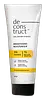
This brightening moisturizer is formulated around Niacinamide and 3-O-Ethyl Ascorbic Acid to brighten dull-looking skin and fade the look of dark spots.
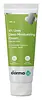
This barrier-repair moisturizer is formulated around Urea and Ceramide AP to strengthen the skin barrier and hydrate skin.

What's inside
What's inside
 Key Ingredients
Benefits
Concerns
Ingredients Side-by-side
Water
Skin ConditioningHydrogenated Olive Oil Unsaponifiables
Emollient


Hydrogenated Ethylhexyl Olivate
EmollientDibutyl Adipate
EmollientNiacinamide
Smoothing











3-O-Ethyl Ascorbic Acid
Skin Conditioning
Polyacrylate-13
Polyisobutene
Polysorbate 20
Emulsifying
Glycerin
Humectant
Diheptyl Succinate
EmollientCapryloyl Glycerin/Sebacic Acid Copolymer
Skin ConditioningKojic Dipalmitate
Emollient
Phenoxyethanol
Preservative
Ethylhexylglycerin
Skin ConditioningC10-18 Triglycerides
Emollient
Sodium Acrylate/Sodium Acryloyldimethyl Taurate Copolymer
Emulsion StabilisingIsohexadecane
EmollientPolysorbate 80
Emulsifying
Citrus Junos Seed Extract
Antioxidant
Lactobacillus Ferment
Skin Conditioning
Scutellaria Baicalensis Root Extract
Astringent
Lactic Acid
Buffering


Tocopherol
Antioxidant
Sodium Gluconate
ChelatingWater, Hydrogenated Olive Oil Unsaponifiables, Hydrogenated Ethylhexyl Olivate, Dibutyl Adipate, Niacinamide, 3-O-Ethyl Ascorbic Acid, Polyacrylate-13, Polyisobutene, Polysorbate 20, Glycerin, Diheptyl Succinate, Capryloyl Glycerin/Sebacic Acid Copolymer, Kojic Dipalmitate, Phenoxyethanol, Ethylhexylglycerin, C10-18 Triglycerides, Sodium Acrylate/Sodium Acryloyldimethyl Taurate Copolymer, Isohexadecane, Polysorbate 80, Citrus Junos Seed Extract, Lactobacillus Ferment, Scutellaria Baicalensis Root Extract, Lactic Acid, Tocopherol, Sodium Gluconate
Water
Skin ConditioningIsopropyl Myristate
Emollient

Urea
Buffering
C15-19 Alkane
SolventDimethicone
Emollient
Glycerin
Humectant
Xylitol
Humectant
Glucose
Humectant
Anhydroxylitol
Humectant
Nopalea Cochenillifera Extract
Skin ConditioningGlyceryl Stearate
Emollient
Phenoxyethanol
Preservative
Carbomer
Emulsion StabilisingCocos Nucifera Oil
Masking

Stearic Acid
Cleansing
Aloe Barbadensis Leaf Extract
Emollient
Triethanolamine
BufferingCetearyl Alcohol
Emollient
Polyacrylamide
C13-14 Isoparaffin
Emollient
Laureth-7
EmulsifyingEthoxydiglycol
HumectantDisodium EDTA
ChelatingTocopherol
Antioxidant
Ceramide AP
Skin Conditioning
Lactic Acid
Buffering
Water, Isopropyl Myristate, Urea, C15-19 Alkane, Dimethicone, Glycerin, Xylitol, Glucose, Anhydroxylitol, Nopalea Cochenillifera Extract, Glyceryl Stearate, Phenoxyethanol, Carbomer, Cocos Nucifera Oil, Stearic Acid, Aloe Barbadensis Leaf Extract, Triethanolamine, Cetearyl Alcohol, Polyacrylamide, C13-14 Isoparaffin, Laureth-7, Ethoxydiglycol, Disodium EDTA, Tocopherol, Ceramide AP, Lactic Acid
Reviews
Ingredients Explained
These ingredients are found in both products.
Ingredients higher up in an ingredient list are typically present in a larger amount.
Glycerin (or glycerol) is a compound naturally found in your skin. It's a powerhouse humectant that pulls water into the stratum corneum.
Topically, glycerin does several things at once:
Your skin makes glycerin on its own (mostly from sebaceous oil breakdown) and shuttles it to your outermost layer of skin, or your epidermis, via aquaporin-3.
Aquaporin-3 is a transporter that is essential for normal skin hydration, elasticity, and repair. Interestingly, mice lacking in AQP3 have dry and less elastic skin that can be fully corrected with glycerin.
This ingredient is non-irritating, plays well with almost every ingredient, and works across all skin types. Typical use is anywhere between 3-10% but can go up to 79% in some leave-on products.
Just know very high concentrations (>40%) can feel tacky in low humidity.
Glycerin is the name for this ingredient in American English. British English uses Glycerol/Glycerine.
Learn more about GlycerinLactic Acid is another well-loved alpha hydroxy acid (AHA). It is gentler than glycolic acid but still highly effective.
Its main role is to exfoliate the surface of the skin by loosening the “glue” that holds dead skin cells together. Shedding those old cells leads to smoother, softer, and more even-toned skin.
Because lactic acid molecules are larger than glycolic acid, they don’t penetrate as deeply. This means they’re less likely to sting or irritate, making it a great choice for beginners or those with sensitive skin.
Like glycolic acid, it can:
Lactic acid also acts as a humectant (like hyaluronic acid). It can draw water into the skin to improve hydration and also plays a role in the skin's natural moisturizing factor (NMF) in the form of sodium lactate.
Studies show it can boost ceramide production to strengthen the skin barrier and even help balance the skin’s microbiome.
To get results, choose products with a pH between 3-4.
Lower strengths (5-12%) focus on surface exfoliation; higher strengths (12% and up) can reach deeper in the dermis (deeper, supportive layer) to improve skin texture and firmness over time.
Though it was originally derived from milk, most modern lactic acid used in skincare is vegan. It is made through non-dairy fermentation to create a bio-identical and stable form suitable for all formulations.
When lactic acid shows up near the end of an ingredient list, it usually means the brand added just a tiny amount to adjust the product’s pH.
Legend has it that Cleopatra used to bathe in sour milk to help reduce wrinkles.
Lactic acid is truly a gentle multitasker: it exfoliates, hydrates, strengthens, and brightens. It's a great ingredient for giving your skin a smooth, glowing, and healthy look without the harshness of stronger acids.
Read more about some other popular AHA's here:
Learn more about Lactic AcidPhenoxyethanol is one of the most widely used preservatives in skincare (and for good reason!).
It has a large spectrum of antimicrobial activity and especially effective bacteria, yeast, and mold while only having a weak effect on your skin's natural microbiome.
On a cellular level, it disrupts the cell membranes of microbes by poking holes that make the cell leak. This shuts down the chemical reactions the microbe needs to make energy so it can no longer survive.
Another perk of this ingredient is that it stays functional across a wide pH range (3-10).
You'll often see it paired with boosters like Ethylhexylglycerin; one study showed that a 1:9 ratio of Ethylhexylglycerin to Phenoxyethanol damages bacterial membranes as effectively as doubling the Phenoxyethanol concentration on its own.
Typical use concentrations range from 0.3-1% depending on the formula, and this ingredient is capped at 1% int the EU.
Safety-wise, the fear mongering does not hold up to the evidence. The EU's Scientific Committee on Consumer Safety and FDA consider it safe as a preservative at up to 1%, including for children of all ages.
Adverse systemic effects only showed up in animal studies at exposures roughly 200x higher than what people get from cosmetics. And despite its very widespread use, this ingredient is a rare sensitizer and allergic reactions are uncommon.
Learn more about PhenoxyethanolTocopherol is a fat-soluble antioxidant known as Vitamin E.
You'll find this ingredient in the vast majority of skincare (for good reason). It works to neutralize free radicals, or unstable molecules generated by UV exposure, pollution, and other environmental stressors, before they can cause oxidative damage to your skin cells.
Topically applied tocopherol has been shown to protect against UV damage by ramping up the skin's own natural defense enzymes.
It also acts as a skin conditioning agent; some studies show that regular topical use can improve the skin's water-binding capacity over 2-4 weeks.
This ingredient is especially loved for being a team player. When combined with Vitamin C, the photoprotective effect of both ingredients roughly doubles and the combo also helps reduce UV-induced DNA damage.
This ingredient has some brightening potential but it's more of a prevention ingredient than spot-fader. Cell studies show it can slow down melanin production but it's worth noting that it's not the most powerful brightener out there.
In formulations, it also serves as a stabilizer that helps protect other oxidation-prone ingredients from degrading.
Concentrations usually range from 0.1-1% in most leave-on products.
Learn more about TocopherolWater. It's the most common cosmetic ingredient of all. You'll usually see it at the top of ingredient lists, meaning that it makes up the largest part of the product.
So why is it so popular? Water most often acts as a solvent - this means that it helps dissolve other ingredients into the formulation.
You'll also recognize water as that liquid we all need to stay alive. If you see this, drink a glass of water. Remember to stay hydrated!
Learn more about Water

