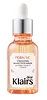
This pore-care serum is formulated around Niacinamide and Sodium DNA to refine the look of pores and soften the look of wrinkles.
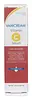
This brightening serum is formulated around Tetrahexyldecyl Ascorbate and Carnosine to brighten dull-looking skin and strengthen the skin barrier.


What's inside
What's inside
 Key Ingredients
Benefits
Concerns
Ingredients Side-by-side
Water
Skin ConditioningButylene Glycol
Humectant

Glycerin
Humectant
Niacinamide
Smoothing









1,2-Hexanediol
Skin Conditioning
Sodium DNA
Skin Conditioning
Arginine
Masking
Carbomer
Emulsion StabilisingPolyacrylate Crosspolymer-6
Emulsion StabilisingCaesalpinia Spinosa Fruit Extract
Skin ProtectingEthylhexylglycerin
Skin ConditioningCaprylyl Glycol
Emollient
Adenosine
Skin Conditioning
Kappaphycus Alvarezii Extract
Skin ConditioningSodium Phytate
Polyglyceryl-10 Laurate
Skin Conditioning

Glyceryl Acrylate/Acrylic Acid Copolymer
HumectantPolyglyceryl-4 Laurate
Emulsifying
Nicotinamide Mononucleotide
Antioxidant
Pvm/Ma Copolymer
Emulsion StabilisingCaprylyl/Capryl Glucoside
CleansingPrunella Vulgaris Extract
Antioxidant
Opuntia Ficus-Indica Fruit Extract
Skin ConditioningFucus Vesiculosus Extract
Emollient
Centella Asiatica Extract
Cleansing
Disodium EDTA
Acetyl Hexapeptide-1
Skin Conditioning
Acetyl Hexapeptide-8
Humectant
Copper Tripeptide-1
Skin Conditioning
Hydrogenated Lecithin
Emulsifying
Ascorbic Acid
Antioxidant
3-O-Ethyl Ascorbic Acid
Skin Conditioning
Sodium Ascorbyl Phosphate
Antioxidant
Ascorbyl Glucoside
Antioxidant
Ascorbyl Palmitate
Antioxidant
Octyldodecanol
Emollient
Astaxanthin
Skin Conditioning
Water, Butylene Glycol, Glycerin, Niacinamide, 1,2-Hexanediol, Sodium DNA, Arginine, Carbomer, Polyacrylate Crosspolymer-6, Caesalpinia Spinosa Fruit Extract, Ethylhexylglycerin, Caprylyl Glycol, Adenosine, Kappaphycus Alvarezii Extract, Sodium Phytate, Polyglyceryl-10 Laurate, Glyceryl Acrylate/Acrylic Acid Copolymer, Polyglyceryl-4 Laurate, Nicotinamide Mononucleotide, Pvm/Ma Copolymer, Caprylyl/Capryl Glucoside, Prunella Vulgaris Extract, Opuntia Ficus-Indica Fruit Extract, Fucus Vesiculosus Extract, Centella Asiatica Extract, Disodium EDTA, Acetyl Hexapeptide-1, Acetyl Hexapeptide-8, Copper Tripeptide-1, Hydrogenated Lecithin, Ascorbic Acid, 3-O-Ethyl Ascorbic Acid, Sodium Ascorbyl Phosphate, Ascorbyl Glucoside, Ascorbyl Palmitate, Octyldodecanol, Astaxanthin
Water
Skin ConditioningGlycerin
Humectant
Diisooctyl Succinate
Emollient

Tetrahexyldecyl Ascorbate
Antioxidant
Pentylene Glycol
Skin Conditioning
Polyglyceryl-2 Stearate
Emulsifying
Carnosine
Skin Conditioning
Ceramide NP
Skin Conditioning
Ceramide EOP
Skin Conditioning
Ceramide AP
Skin Conditioning
Ceramide Ng
Skin Conditioning
Ceramide As
Skin Conditioning
Phytosterols
Skin Conditioning
Glyceryl Stearate
Emollient
Stearyl Alcohol
Emollient
Hydrogenated Lecithin
Emulsifying
1,2-Hexanediol
Skin Conditioning
Polyacrylate Crosspolymer-6
Emulsion StabilisingCitric Acid
Buffering
Caprylyl Glycol
Emollient
Water, Glycerin, Diisooctyl Succinate, Tetrahexyldecyl Ascorbate, Pentylene Glycol, Polyglyceryl-2 Stearate, Carnosine, Ceramide NP, Ceramide EOP, Ceramide AP, Ceramide Ng, Ceramide As, Phytosterols, Glyceryl Stearate, Stearyl Alcohol, Hydrogenated Lecithin, 1,2-Hexanediol, Polyacrylate Crosspolymer-6, Citric Acid, Caprylyl Glycol
Reviews
Ingredients Explained
These ingredients are found in both products.
Ingredients higher up in an ingredient list are typically present in a larger amount.
1,2-Hexanediol is a synthetic liquid and another multi-functional powerhouse.
It is a:
- Humectant, drawing moisture into the skin
- Emollient, helping to soften skin
- Solvent, dispersing and stabilizing formulas
- Preservative booster, enhancing the antimicrobial activity of other preservatives
Caprylyl Glycol is a humectant, skin conditioner, emollient, and preservative booster derived from either caprylic acid or synthetically created.
Typical use levels vary from 0.3-1% as a preservative booster and go up to 2% to condition skin.
Because it is not a free-fatty acid, this ingredient is fungal acne safe (there's nothing for Malassezia to feed on).
Learn more about Caprylyl GlycolGlycerin (or glycerol) is a compound naturally found in your skin. It's a powerhouse humectant that pulls water into the stratum corneum.
Topically, glycerin does several things at once:
Your skin makes glycerin on its own (mostly from sebaceous oil breakdown) and shuttles it to your outermost layer of skin, or your epidermis, via aquaporin-3.
Aquaporin-3 is a transporter that is essential for normal skin hydration, elasticity, and repair. Interestingly, mice lacking in AQP3 have dry and less elastic skin that can be fully corrected with glycerin.
This ingredient is non-irritating, plays well with almost every ingredient, and works across all skin types. Typical use is anywhere between 3-10% but can go up to 79% in some leave-on products.
Just know very high concentrations (>40%) can feel tacky in low humidity.
Glycerin is the name for this ingredient in American English. British English uses Glycerol/Glycerine.
Learn more about GlycerinHydrogenated Lecithin is a more stable version of lecithin.
It's made by taking lecithin (a phospholipid commonly found in soybeans and egg yolks) and hydrogenating it. This just means the unsaturated fatty acids are turned into saturated ones so they don't go bad as easily.
This ingredient is an emollient, emulsifier, and penetration enhancer. As an emollient, it helps soften and hydrate skin by trapping moisture within. As an emulsifier, it prevents oil and water ingredients from separating.
Hydrogenated Lecithin can form tiny spherical structures made of phospholipid bilayers called liposomes. These liposomes are able to capture compounds inside their structure and deliver them through the skin barrier.
Because phospholipids are a natural component of our cell membranes, this ingredient is inherently compatible with skin.
A 2021 study found lecithin-based surfactants were less harsh and more tolerable comared to Sodium Lauryl Sulfate (SLS).
Learn more about Hydrogenated LecithinPolyacrylate Crosspolymer-6 is a texture enhancer and pH adjuster.
It is be used to thicken water-based products and create a gel-texture with a velvet feel.
One manufacturer claims this ingredient to have a pH range of 2-8 and to be biodegradable.
This ingredient is also known as Sepimax Zen.
Learn more about Polyacrylate Crosspolymer-6Water. It's the most common cosmetic ingredient of all. You'll usually see it at the top of ingredient lists, meaning that it makes up the largest part of the product.
So why is it so popular? Water most often acts as a solvent - this means that it helps dissolve other ingredients into the formulation.
You'll also recognize water as that liquid we all need to stay alive. If you see this, drink a glass of water. Remember to stay hydrated!
Learn more about Water

