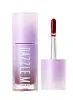
This barrier-repair lip moisturizer is formulated around Tocopheryl Acetate and Simmondsia Chinensis Seed Oil to strengthen the lip barrier and hydrate lips.


What's inside
What's inside
 Key Ingredients
Benefits
Concerns
Ingredients Side-by-side
Ethylhexyl Palmitate
Emollient




Tridecyl Trimellitate
EmollientHydrogenated Polydecene
EmollientPolyisobutene
Microcrystalline Wax
Emulsion StabilisingHydrogenated Polyisobutene
EmollientEthylhexyl Methoxycinnamate
UV Absorber


Homosalate
Skin Conditioning
Phenoxyethanol
Preservative
Tocopheryl Acetate
Antioxidant


Parfum
Masking

Ethylhexylglycerin
Skin ConditioningVitis Vinifera Seed Extract
Antimicrobial

Punica Granatum Fruit Extract
Antioxidant
Simmondsia Chinensis Seed Oil
Emollient



Rosa Rugosa Flower Oil
Masking
Sodium Hyaluronate
Humectant

CI 77891
Cosmetic ColorantCI 77491
Cosmetic ColorantCI 77492
Cosmetic ColorantCI 77499
Cosmetic ColorantCI 16035
Cosmetic ColorantCI 42090
Cosmetic ColorantCI 19140
Cosmetic ColorantEthylhexyl Palmitate, Tridecyl Trimellitate, Hydrogenated Polydecene, Polyisobutene, Microcrystalline Wax, Hydrogenated Polyisobutene, Ethylhexyl Methoxycinnamate, Homosalate, Phenoxyethanol, Tocopheryl Acetate, Parfum, Ethylhexylglycerin, Vitis Vinifera Seed Extract, Punica Granatum Fruit Extract, Simmondsia Chinensis Seed Oil, Rosa Rugosa Flower Oil, Sodium Hyaluronate, CI 77891, CI 77491, CI 77492, CI 77499, CI 16035, CI 42090, CI 19140
Polyisobutene
Ethylhexyl Palmitate
Emollient
3-O-Ethyl Ascorbic Acid
Skin Conditioning


Cetyl Ethylhexanoate
EmollientButyl Methoxydibenzoylmethane
UV Absorber
Octyldodecanol
Emollient
Diisostearyl Malate
EmollientPrunus Amygdalus Dulcis Oil
Skin Conditioning
Hydrogenated Styrene/Isoprene Copolymer
Silica Dimethyl Silylate
EmollientCeramide NP
Skin Conditioning
Tocopherol
Antioxidant
Camellia Japonica Seed Oil
Emollient
Vitis Vinifera Seed Oil
Emollient
Butyrospermum Parkii Butter
Skin Conditioning
Octocrylene
UV Absorber
Vanillyl Butyl Ether
MaskingParaffinum Liquidum
Emollient
CI 15850
Cosmetic ColorantCI 77491
Cosmetic ColorantCI 15985
Cosmetic ColorantPolyisobutene, Ethylhexyl Palmitate, 3-O-Ethyl Ascorbic Acid, Cetyl Ethylhexanoate, Butyl Methoxydibenzoylmethane, Octyldodecanol, Diisostearyl Malate, Prunus Amygdalus Dulcis Oil, Hydrogenated Styrene/Isoprene Copolymer, Silica Dimethyl Silylate, Ceramide NP, Tocopherol, Camellia Japonica Seed Oil, Vitis Vinifera Seed Oil, Butyrospermum Parkii Butter, Octocrylene, Vanillyl Butyl Ether, Paraffinum Liquidum, CI 15850, CI 77491, CI 15985
Ingredients Explained
These ingredients are found in both products.
Ingredients higher up in an ingredient list are typically present in a larger amount.
Ci 77491 is also hydrated iron III oxide. It's sole purpose is to give a red/pink hue to products.
Iron III oxides are classified as inorganic chemicals for coloring.
Synthetically created Ci 77491 is considered safer than those naturally found. This is because the synthetically created version may contain less impurities. Iron oxides are generally non-toxic and non-allergenic.
Learn more about CI 77491Ethylhexyl Palmitate, also known as octyl palmitate, is created from 2-ethylhexyl alcohol and palmitic acid.
In cosmetics, it plays many roles:
One thing worth noting: a controlled study found this ingredient applied under occlusion to acne-prone subjects increased microcomedones. Just keep in mind this was under occlusive conditions and don't reflect how most products are used day-to-day.
For most people, this is a well-tolerated and lightweight ingredient.
This ingredient may not be fungal acne safe because it is an ester of palmitic acid, a C16 fatty acid that falls within the C11-24 range that Malassezia can metabolize.
You'll see this one rated 4 comedogenic all over the internet. That number isn't from a single study, and the actual research is more interesting.
The original rating comes from 1980s rabbit ear tests (which are a shaky basis for anything). But Ethylhexyl Palmitate is one of the few ingredients with real human data behind it. A 2021 controlled trial found this ingredient increased microcomedones by an average of 365% over four weeks.
Just know that test used the pure ingredient under an occlusive pad on back skin; most products use it at much lower levels alongside other ingredients and plenty of people use those with no issue.
Learn more about Ethylhexyl PalmitatePolyisobutene is a synthetic polymer made from isobutene.
It is a film-forming agent and helps bind ingredients together.
Polyisobutene is not absorbed by the skin.
Learn more about Polyisobutene

