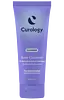
This salicylic acid gel cleanser is formulated around Salicylic Acid to clear breakouts and unclog pores.
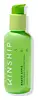
This lactic acid gel cleanser is formulated around Lactic Acid to exfoliate and smooth skin.

What's inside
What's inside
 Key Ingredients
Benefits
Concerns
Ingredients Side-by-side
Salicylic Acid 2%
Masking










Water
Skin ConditioningCocamidopropyl Hydroxysultaine
Cleansing
Sodium Cocoyl Glutamate
Cleansing
Lactic Acid
Buffering



Cocamidopropyl Dimethylamine
Emulsifying
Glycerin
Humectant

Sorbeth-230 Tetraoleate
Emulsifying
Caprylhydroxamic Acid
ChelatingSodium Hydroxide
BufferingNiacinamide
Smoothing


Decyl Glucoside
Cleansing
1,2-Hexanediol
Skin Conditioning
PEG-6 Caprylic/Capric Glycerides
EmulsifyingSorbitan Laurate
Emulsifying
Propanediol
Solvent
Trisodium Ethylenediamine Disuccinate
ChelatingSalicylic Acid 2%, Water, Cocamidopropyl Hydroxysultaine, Sodium Cocoyl Glutamate, Lactic Acid, Cocamidopropyl Dimethylamine, Glycerin, Sorbeth-230 Tetraoleate, Caprylhydroxamic Acid, Sodium Hydroxide, Niacinamide, Decyl Glucoside, 1,2-Hexanediol, PEG-6 Caprylic/Capric Glycerides, Sorbitan Laurate, Propanediol, Trisodium Ethylenediamine Disuccinate
Aloe Barbadensis Leaf Juice
Skin Conditioning
Water
Skin ConditioningCocamidopropyl Hydroxysultaine
Cleansing
Glycerin
Humectant
Sodium Methyl 2-Sulfolaurate
CleansingSodium Lauroyl Methyl Isethionate
CleansingLactic Acid
Buffering
Pyrus Malus Fruit Extract
Skin Conditioning
Niacinamide
Smoothing
Sorbeth-230 Tetraoleate
Emulsifying
Disodium 2-Sulfolaurate
CleansingLactobacillus Ferment
Skin Conditioning
Decyl Glucoside
Cleansing
Lauryl Glucoside
CleansingMusa Sapientum Fruit Extract
Skin ConditioningRubus Idaeus Fruit Extract
AstringentPyrus Communis Fruit Extract
Skin ConditioningPrunus Armeniaca Kernel Extract
Skin ConditioningMelia Azadirachta Leaf Extract
Skin ConditioningMelia Azadirachta Flower Extract
Skin ConditioningCorallina Officinalis Extract
Skin Conditioning
Coccinia Indica Fruit Extract
Skin Conditioning
Solanum Melongena Fruit Extract
Skin ConditioningAloe Barbadensis Flower Extract
EmollientCurcuma Longa Root Extract
Antioxidant

Ocimum Sanctum Leaf Extract
Skin ConditioningOcimum Basilicum Flower/Leaf Extract
TonicSodium Gluconate
ChelatingHydroxyethylcellulose
Emulsion StabilisingSodium Laurylglucosides Hydroxypropylsulfonate
CleansingSodium Chloride
MaskingSorbitan Oleate Decylglucoside Crosspolymer
CleansingSorbitan Laurate
Emulsifying
Sodium PCA
Humectant
Opuntia Ficus-Indica Stem Extract
Skin Conditioning
Disodium Phosphate
BufferingPanthenol
Skin Conditioning
Riboflavin
Cosmetic ColorantSodium Hydroxide
BufferingPhenoxyethanol
Preservative
Ethylhexylglycerin
Skin ConditioningPotassium Sorbate
Preservative
Aloe Barbadensis Leaf Juice, Water, Cocamidopropyl Hydroxysultaine, Glycerin, Sodium Methyl 2-Sulfolaurate, Sodium Lauroyl Methyl Isethionate, Lactic Acid, Pyrus Malus Fruit Extract, Niacinamide, Sorbeth-230 Tetraoleate, Disodium 2-Sulfolaurate, Lactobacillus Ferment, Decyl Glucoside, Lauryl Glucoside, Musa Sapientum Fruit Extract, Rubus Idaeus Fruit Extract, Pyrus Communis Fruit Extract, Prunus Armeniaca Kernel Extract, Melia Azadirachta Leaf Extract, Melia Azadirachta Flower Extract, Corallina Officinalis Extract, Coccinia Indica Fruit Extract, Solanum Melongena Fruit Extract, Aloe Barbadensis Flower Extract, Curcuma Longa Root Extract, Ocimum Sanctum Leaf Extract, Ocimum Basilicum Flower/Leaf Extract, Sodium Gluconate, Hydroxyethylcellulose, Sodium Laurylglucosides Hydroxypropylsulfonate, Sodium Chloride, Sorbitan Oleate Decylglucoside Crosspolymer, Sorbitan Laurate, Sodium PCA, Opuntia Ficus-Indica Stem Extract, Disodium Phosphate, Panthenol, Riboflavin, Sodium Hydroxide, Phenoxyethanol, Ethylhexylglycerin, Potassium Sorbate
Reviews
Ingredients Explained
These ingredients are found in both products.
Ingredients higher up in an ingredient list are typically present in a larger amount.
Cocamidopropyl Hydroxysultaine is a synthetic cleansing agent, though it is derived from coconut oil.
It is used to enhance the texture of products by boosting lather and thickening the texture. As a cleanser, Cocamidopropyl Hydroxysultaine is mild.
Decyl Glucoside is a plant-derived surfactant and emulsion stabilizer. It is created by reacting glucose with the fatty acids from plants.
Like all surfactants, it works by lowering the surface tension between water and oil. This makes it so that dirt, sebum, and makeup can be lifted off your skin and rinsed away. It also produces a dense and creamy foam.
Because it has a neutral charge, it is compatible with a wide range of ingredients and stays stable across a broad pH range/water hardiness conditions.
Patch testing has shown it to have the lowest irritation potential among common cleansing surfactants (like SLS).
Typical use levels range from 5-20% in rinse-off cleansers.
One thing worth knowing: The American Contact Dermatitis Society named the parent family, alkyl glucosides, "Allergen of the Year" in 2017. The prevalence of allergy is pretty low but be sure to patch test if you've reacted to "gentle" or sulfate-free cleansers before.
This ingredient is fungal acne safe because the fatty alcohol portion of this ingredient is not within the C11-24 chain length that Malassezia can metabolize.
Learn more about Decyl GlucosideGlycerin (or glycerol) is a compound naturally found in your skin. It's a powerhouse humectant that pulls water into the stratum corneum.
Topically, glycerin does several things at once:
Your skin makes glycerin on its own (mostly from sebaceous oil breakdown) and shuttles it to your outermost layer of skin, or your epidermis, via aquaporin-3.
Aquaporin-3 is a transporter that is essential for normal skin hydration, elasticity, and repair. Interestingly, mice lacking in AQP3 have dry and less elastic skin that can be fully corrected with glycerin.
This ingredient is non-irritating, plays well with almost every ingredient, and works across all skin types. Typical use is anywhere between 3-10% but can go up to 79% in some leave-on products.
Just know very high concentrations (>40%) can feel tacky in low humidity.
Glycerin is the name for this ingredient in American English. British English uses Glycerol/Glycerine.
Learn more about GlycerinLactic Acid is another well-loved alpha hydroxy acid (AHA). It is gentler than glycolic acid but still highly effective.
Its main role is to exfoliate the surface of the skin by loosening the “glue” that holds dead skin cells together. Shedding those old cells leads to smoother, softer, and more even-toned skin.
Because lactic acid molecules are larger than glycolic acid, they don’t penetrate as deeply. This means they’re less likely to sting or irritate, making it a great choice for beginners or those with sensitive skin.
Like glycolic acid, it can:
Lactic acid also acts as a humectant (like hyaluronic acid). It can draw water into the skin to improve hydration and also plays a role in the skin's natural moisturizing factor (NMF) in the form of sodium lactate.
Studies show it can boost ceramide production to strengthen the skin barrier and even help balance the skin’s microbiome.
To get results, choose products with a pH between 3-4.
Lower strengths (5-12%) focus on surface exfoliation; higher strengths (12% and up) can reach deeper in the dermis (deeper, supportive layer) to improve skin texture and firmness over time.
Though it was originally derived from milk, most modern lactic acid used in skincare is vegan. It is made through non-dairy fermentation to create a bio-identical and stable form suitable for all formulations.
When lactic acid shows up near the end of an ingredient list, it usually means the brand added just a tiny amount to adjust the product’s pH.
Legend has it that Cleopatra used to bathe in sour milk to help reduce wrinkles.
Lactic acid is truly a gentle multitasker: it exfoliates, hydrates, strengthens, and brightens. It's a great ingredient for giving your skin a smooth, glowing, and healthy look without the harshness of stronger acids.
Read more about some other popular AHA's here:
Learn more about Lactic AcidNiacinamide is a multitasking form of vitamin B3 that strengthens the skin barrier, reduces pores and dark spots, regulates oil, and improves signs of aging.
And the best part? It's gentle and well-tolerated by most skin types, including sensitive and reactive skin.
You might have heard of "niacin flush", or the reddening of skin that causes itchiness. Niacinamide has not been found to cause this.
In very rare cases, some individuals may not be able to tolerate niacinamide at all or experience an allergic reaction to it.
If you are experiencing flaking, irritation, and dryness with this ingredient, be sure to double check all your products as this ingredient can be found in all categories of skincare.
When incorporating niacinamide into your routine, look out for concentration amounts. Typically, 5% niacinamide provides benefits such as fading dark spots. However, if you have sensitive skin, it is better to begin with a smaller concentration.
When you apply niacinamide to your skin, your body converts it into nicotinamide adenine dinucleotide (NAD). NAD is an essential coenzyme that is already found in your cells as "fuel" and powers countless biological processes.
In your skin, NAD helps repair cell damage, produce new healthy cells, support collagen production, strengthen the skin barrier, and fight environmental stressors (like UV and pollution).
Our natural NAD levels start to decline with age, leading to slower skin repair, visible aging, and a weaker skin barrier. By providing your skin niacinamide, you're recharging your skin's NAD levels. This leads to stronger, healthier, and younger looking skin.
Another name for vitamin B3 is nicotinamide. This vitamin is water-soluble and our bodies don't store it. We obtain Vitamin B3 from either food or skincare. Meat, fish, wheat, yeast, and leafy greens contain vitamin B3.
The type of niacinamide used in skincare is synthetically created.
Learn more about NiacinamideSodium Hydroxide is also known as lye or caustic soda. It is used to adjust the pH of products; many ingredients require a specific pH to be effective.
In small amounts, sodium hydroxide is considered safe to use. However, large amounts may cause chemical burns due to its high alkaline.
Your skin has a natural pH and acid mantle. This acid mantle helps prevent harmful bacteria from breaking through. The acid mantle also helps keep your skin hydrated.
"Alkaline" refers to a high pH level. A low pH level would be considered acidic.
Learn more about Sodium HydroxideSorbeth-230 Tetraoleate isn't fungal acne safe.
Sorbitan Laurate is created from lauric acid and derivatives from sorbitol. It is an emulsifier.
Water. It's the most common cosmetic ingredient of all. You'll usually see it at the top of ingredient lists, meaning that it makes up the largest part of the product.
So why is it so popular? Water most often acts as a solvent - this means that it helps dissolve other ingredients into the formulation.
You'll also recognize water as that liquid we all need to stay alive. If you see this, drink a glass of water. Remember to stay hydrated!
Learn more about Water

