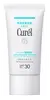
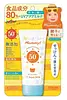
Curel Intensive Moisture Care UV Protection Essence SPF 30 Versus ISEHAN Kiss Me Mommy UV Aqua Milk SPF 50+ PA++++
This mineral sunscreen covers the full UV range and blocks ~97% of UVB at SPF 30.
This chemical sunscreen covers the full UV range and blocks ~98% of UVB at SPF 50.

What's inside
What's inside
 Key Ingredients
Benefits
Concerns
Ingredients Side-by-side
Dipotassium Glycyrrhizate
Humectant

Water
Skin ConditioningTitanium Dioxide
Cosmetic Colorant

Butylene Glycol
Humectant

C13-14 Isoparaffin
Emollient
Isononyl Isononanoate
EmollientThujopsis Dolabrata Branch Extract
Skin ConditioningIsotridecyl Isononanoate
EmollientNeopentyl Glycol Dicaprate
EmollientDipropylene Glycol
HumectantTricaprylin
Perfuming

Neopentyl Glycol Diethylhexanoate
Emollient
Trisiloxane
Skin Conditioning
Polysorbate 60
Emulsifying

Sodium Acrylate/Sodium Acryloyldimethyl Taurate Copolymer
Emulsion StabilisingIsohexadecane
EmollientPolysorbate 80
Emulsifying
Hexadesyloxy Pg Hydroxyethyl Hexadecanamide
Aluminum Hydroxide
EmollientStearic Acid
Cleansing
Dextrin Palmitate
Emulsifying
Dipentaerythrityl Tri-Polyhydroxystearate
Emollient
Polyglyceryl-2 Diisostearate
Emulsifying
Eucalyptus Globulus Leaf Extract
Perfuming
Potassium Hydroxide
BufferingSorbitan Distearate
EmollientCetearyl Alcohol
Emollient



Acrylates/C10-30 Alkyl Acrylate Crosspolymer
Emulsion StabilisingStearyl Alcohol
Emollient
Aminomethyl Propanediol
BufferingXylitol
Humectant
Betaine
Humectant
Polyhydroxystearic Acid
Emulsifying
Sorbitan Oleate
Emulsifying
EDTA
ChelatingXanthan Gum
EmulsifyingPhenoxyethanol
Preservative
Dipotassium Glycyrrhizate, Water, Titanium Dioxide, Butylene Glycol, C13-14 Isoparaffin, Isononyl Isononanoate, Thujopsis Dolabrata Branch Extract, Isotridecyl Isononanoate, Neopentyl Glycol Dicaprate, Dipropylene Glycol, Tricaprylin, Neopentyl Glycol Diethylhexanoate, Trisiloxane, Polysorbate 60, Sodium Acrylate/Sodium Acryloyldimethyl Taurate Copolymer, Isohexadecane, Polysorbate 80, Hexadesyloxy Pg Hydroxyethyl Hexadecanamide, Aluminum Hydroxide, Stearic Acid, Dextrin Palmitate, Dipentaerythrityl Tri-Polyhydroxystearate, Polyglyceryl-2 Diisostearate, Eucalyptus Globulus Leaf Extract, Potassium Hydroxide, Sorbitan Distearate, Cetearyl Alcohol, Acrylates/C10-30 Alkyl Acrylate Crosspolymer, Stearyl Alcohol, Aminomethyl Propanediol, Xylitol, Betaine, Polyhydroxystearic Acid, Sorbitan Oleate, EDTA, Xanthan Gum, Phenoxyethanol
Water
Skin ConditioningPropylene Glycol
Humectant
Ethylhexyl Methoxycinnamate
UV Absorber
Diethylamino Hydroxybenzoyl Hexyl Benzoate
UV Filter
Pentylene Glycol
Skin Conditioning
Sodium Hyaluronate
Humectant

Simmondsia Chinensis Seed Oil
Emollient

Glucosyl Ceramide
Skin Conditioning
Malpighia Emarginata Fruit Extract
Skin ConditioningHydrolyzed Collagen
Emollient
Aloe Barbadensis Leaf Extract
Emollient
Rubus Idaeus Extract
Skin ProtectingBis-Ethylhexyloxyphenol Methoxyphenyl Triazine
UV Absorber
Diphenylsiloxy Phenyl Trimethicone
Skin Conditioning
Isononyl Isononanoate
EmollientPPG-7/PEG-30 Phytosterol
EmulsifyingPEG-30 Phytosterol
EmulsifyingPEG-10 Hydrogenated Castor Oil
Emollient
Ethylhexylglycerin
Skin ConditioningDimethicone/Phenyl Vinyl Dimethicone Crosspolymer
Alpha-Glucan Oligosaccharide
Cleansing
Betaine
Humectant
Acrylates/C10-30 Alkyl Acrylate Crosspolymer
Emulsion StabilisingCarbomer
Emulsion StabilisingPotassium Hydroxide
BufferingXanthan Gum
EmulsifyingHydroxypropyl Methylcellulose Stearoxy Ether
Acrylates/Steareth-20 Itaconate Copolymer
PEG-5 Phytosterol
EmulsifyingDisodium EDTA
ChelatingButylene Glycol
Humectant
BHT
Antioxidant
Dextrin
AbsorbentWater, Propylene Glycol, Ethylhexyl Methoxycinnamate, Diethylamino Hydroxybenzoyl Hexyl Benzoate, Pentylene Glycol, Sodium Hyaluronate, Simmondsia Chinensis Seed Oil, Glucosyl Ceramide, Malpighia Emarginata Fruit Extract, Hydrolyzed Collagen, Aloe Barbadensis Leaf Extract, Rubus Idaeus Extract, Bis-Ethylhexyloxyphenol Methoxyphenyl Triazine, Diphenylsiloxy Phenyl Trimethicone, Isononyl Isononanoate, PPG-7/PEG-30 Phytosterol, PEG-30 Phytosterol, PEG-10 Hydrogenated Castor Oil, Ethylhexylglycerin, Dimethicone/Phenyl Vinyl Dimethicone Crosspolymer, Alpha-Glucan Oligosaccharide, Betaine, Acrylates/C10-30 Alkyl Acrylate Crosspolymer, Carbomer, Potassium Hydroxide, Xanthan Gum, Hydroxypropyl Methylcellulose Stearoxy Ether, Acrylates/Steareth-20 Itaconate Copolymer, PEG-5 Phytosterol, Disodium EDTA, Butylene Glycol, BHT, Dextrin
Reviews
Ingredients Explained
These ingredients are found in both products.
Ingredients higher up in an ingredient list are typically present in a larger amount.
Acrylates/C10-30 Alkyl Acrylate Crosspolymer is a synthetic polymer. It is used to thicken, emulsify, and improve the texture of products.
As an emulsifier, it helps stabilize oil-in-water emulsions to give products an elegant feel when applied.
It can also form a thin protective film on skin. One study found that a formula using this polymer helped slow down how quickly other ingredients (like DEET) were absorbed through skin.
A 2024 study of over 1,300 patients confirmed that sensitization to this ingredient is rare. It is also non-mutagenic and has a clean track record.
Learn more about Acrylates/C10-30 Alkyl Acrylate CrosspolymerBetaine is a humectant. Like hyaluronic acid, it helps attract and retain moisture in the skin. It’s known for being gentle and for helping the skin maintain balanced hydration.
Betaine is mainly used to improve hydration and support calmer skin. It helps skin cells regulate water balance because it functions as an osmolyte.
Some studies suggest betaine may support making skin tone more even.
Fun fact: Betaine naturally exists in the skin and the body. In cosmetic products, it can be either plant-derived (most commonly from sugar beets) or synthetically produced for consistency and stability.
Betaine is also known as trimethylglycine.
Learn more about BetaineButylene Glycol (or BG) is used within cosmetic products for a few different reasons:
Overall, Butylene Glycol is a safe and well-rounded ingredient that works well with other ingredients.
Though this ingredient works well with most skin types, some people with sensitive skin may experience a reaction such as allergic rashes, closed comedones, or itchiness.
Learn more about Butylene GlycolIsononyl Isononanoate is a synthetic skin-conditioner and texture enhancer. It is created from nonanoic acid, a fatty acid found in cocoa and lavender oil.
As an emollient, Isononyl Isononanoate helps keep your skin soft and smooth. This is because emollients create a barrier on the skin to trap moisture in.
Isononyl Isononanoate helps give products a velvet feel and improves spreadability.
Learn more about Isononyl IsononanoatePotassium Hydroxide (also known as potash) is a strong alkaline ingredient that does one job: it nudges a product's pH up so the whole formula lands in a skin-friendly range.
It's also the base that turns oils into liquid soap during the soap making process.
An expert safety panel reviewed it and found it safe when formulations are made to be non-irritating.
As a pH adjuster, it's typically used well under 1% though regulatory caps go much higher: 5% in nail cuticle removers and 2-4.5% in hair straighteners.
Though there is some concern for irritation from raw or high pH material, a well-balanced formula will be a non-issue for the vast majority of people.
Learn more about Potassium HydroxideWater. It's the most common cosmetic ingredient of all. You'll usually see it at the top of ingredient lists, meaning that it makes up the largest part of the product.
So why is it so popular? Water most often acts as a solvent - this means that it helps dissolve other ingredients into the formulation.
You'll also recognize water as that liquid we all need to stay alive. If you see this, drink a glass of water. Remember to stay hydrated!
Learn more about WaterXanthan gum is used as a stabilizer and thickener within cosmetic products. It helps give products a sticky, thick feeling - preventing them from being too runny.
On the technical side of things, xanthan gum is a polysaccharide - a combination consisting of multiple sugar molecules bonded together.
Xanthan gum is a pretty common and great ingredient. It is a natural, non-toxic, non-irritating ingredient that is also commonly used in food products.
Learn more about Xanthan Gum

