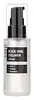
This anti-aging serum is formulated around Copper Tripeptide-1 and Snail Extract to soften the look of wrinkles and strengthen the skin barrier.

What's inside
What's inside
 Key Ingredients
Benefits
Concerns
Ingredients Side-by-side
Water
Skin ConditioningGlycerin
Humectant


Propylene Glycol
Humectant

Alcohol
Antimicrobial


1,2-Hexanediol
Skin Conditioning
Glyceryl Acrylate/Acrylic Acid Copolymer
HumectantPvm/Ma Copolymer
Emulsion StabilisingPEG/PPG-18/4 Copolymer
SolventBetaine
Humectant
Allantoin
Skin Conditioning
Adenosine
Skin Conditioning
Butylene Glycol
Humectant
Carbomer
Emulsion StabilisingAloe Barbadensis Leaf Extract
Emollient
Hydrolyzed Collagen
Emollient
Copper Tripeptide-1
Skin Conditioning
Glycine Soja Seed Extract
Skin Conditioning
Sesamum Indicum Seed Extract
Skin Conditioning
Oryza Sativa Extract
Absorbent
Panax Ginseng Berry Extract
Skin Conditioning
Theobroma Cacao Extract
Skin ConditioningSnail Extract
Emollient
Leontopodium Alpinum Extract
Skin ConditioningBuddleja Davidii Extract
Skin ConditioningMalva Sylvestris Flower Extract
Skin ConditioningPEG-60 Hydrogenated Castor Oil
Emulsifying

Arginine
Masking
Phenoxyethanol
Preservative
Ethylhexylglycerin
Skin ConditioningParfum
Masking

Water, Glycerin, Propylene Glycol, Alcohol, 1,2-Hexanediol, Glyceryl Acrylate/Acrylic Acid Copolymer, Pvm/Ma Copolymer, PEG/PPG-18/4 Copolymer, Betaine, Allantoin, Adenosine, Butylene Glycol, Carbomer, Aloe Barbadensis Leaf Extract, Hydrolyzed Collagen, Copper Tripeptide-1, Glycine Soja Seed Extract, Sesamum Indicum Seed Extract, Oryza Sativa Extract, Panax Ginseng Berry Extract, Theobroma Cacao Extract, Snail Extract, Leontopodium Alpinum Extract, Buddleja Davidii Extract, Malva Sylvestris Flower Extract, PEG-60 Hydrogenated Castor Oil, Arginine, Phenoxyethanol, Ethylhexylglycerin, Parfum
Water
Skin ConditioningGlycerin
Humectant
Alcohol
Antimicrobial
Cetyl Ethylhexanoate
EmollientCaprylic/Capric Triglyceride
Masking
Betaine
Humectant
Arbutin
Antioxidant


Trehalose
Humectant
Arachidyl Alcohol
Emollient
Behenyl Alcohol
Emollient
Arachidyl Glucoside
EmulsifyingRosa Damascena Flower Oil
Masking

Limnanthes Alba Seed Oil
Skin Conditioning
Allantoin
Skin Conditioning
Panthenol
Skin Conditioning
Arginine
Masking
Carbomer
Emulsion StabilisingXanthan Gum
EmulsifyingAdenosine
Skin Conditioning
Scutellaria Baicalensis Root Extract
Astringent
Paeonia Suffruticosa Root Extract
Skin ProtectingGlycyrrhiza Glabra Root Extract
Bleaching
Calendula Officinalis Flower Extract
Masking
Coptis Japonica Root Extract
Skin ConditioningPalmitoyl Tripeptide-5
Skin Conditioning
Castanea Crenata Shell Extract
Skin ConditioningMalpighia Glabra Fruit Extract
Skin ConditioningCorchorus Olitorius Leaf Extract
Skin ConditioningBrassica Oleracea Italica Extract
AstringentRosmarinus Officinalis Extract
AntimicrobialButylene Glycol
Humectant
1,2-Hexanediol
Skin Conditioning
Melaleuca Viridiflora Leaf Oil
Skin Conditioning
Chamomilla Recutita Flower/Leaf Extract
AntimicrobialCentella Asiatica Extract
Cleansing
Citronellol
Perfuming
Geraniol
Perfuming
Farnesol
Perfuming
Eugenol
Perfuming
Water, Glycerin, Alcohol, Cetyl Ethylhexanoate, Caprylic/Capric Triglyceride, Betaine, Arbutin, Trehalose, Arachidyl Alcohol, Behenyl Alcohol, Arachidyl Glucoside, Rosa Damascena Flower Oil, Limnanthes Alba Seed Oil, Allantoin, Panthenol, Arginine, Carbomer, Xanthan Gum, Adenosine, Scutellaria Baicalensis Root Extract, Paeonia Suffruticosa Root Extract, Glycyrrhiza Glabra Root Extract, Calendula Officinalis Flower Extract, Coptis Japonica Root Extract, Palmitoyl Tripeptide-5, Castanea Crenata Shell Extract, Malpighia Glabra Fruit Extract, Corchorus Olitorius Leaf Extract, Brassica Oleracea Italica Extract, Rosmarinus Officinalis Extract, Butylene Glycol, 1,2-Hexanediol, Melaleuca Viridiflora Leaf Oil, Chamomilla Recutita Flower/Leaf Extract, Centella Asiatica Extract, Citronellol, Geraniol, Farnesol, Eugenol
Ingredients Explained
These ingredients are found in both products.
Ingredients higher up in an ingredient list are typically present in a larger amount.
1,2-Hexanediol is a synthetic liquid and another multi-functional powerhouse.
It is a:
- Humectant, drawing moisture into the skin
- Emollient, helping to soften skin
- Solvent, dispersing and stabilizing formulas
- Preservative booster, enhancing the antimicrobial activity of other preservatives
Adenosine is a purine nucleoside that your body already makes in every cell. In skincare, it acts mainly as a skin conditioning and anti-aging agent.
The way it works is fairly well mapped out:
Your skin has cells called fibroblasts that build collagen (the stuff that keeps skin firm and smooth). Adenosine basically flips a switch on these cells that tells them to get to work making more collagen and other proteins. These cells slow down on their own as skin ages, so Adenosine helps give them a little nudge to keep going.
The clinical backing is pretty solid too.
A blind, randomized, placebo-controlled trial of 126 women aged 45-65 tested a 0.1% cream twice daily and found real improvements in crow's feet and frown lines using a precise 3D skin-mapping technique; these changes showed up by week 3 and held at 2 months.
A later study using Adenosine-loaded dissolving microneedle patches reported gains in wrinkle depth, dermal density, elasticity, and hydration.
On concentrations, South Korea's Ministry of Food and Drug Safety has set 0.04% as the approved functional anti-wrinkle level. You'll typically see this ingredient used somewhere in the 0.04-0.1% range since it works at low doses.
This ingredient has been found safe for cosmetics with the data showing no irritation or sensitization.
Overall, this is a great ingredient for any anti-aging routine and has no photosensitizing effect, so it suits both AM and PM use.
Learn more about AdenosineThis ingredient is also called ethanol or ethyl alcohol. It is denatured, meaning made undrinkable for cosmetic use.
In formulas, it:
Is it bad for your skin?
The answer comes down to concentration. Patch and wash studies have found highly concentrated alcohol-based hand rubs (60-100%) cause less barrier disruption than washing with a basic detergent like SLS. The only measurable effect in these studies was a temporary dip in skin hydration.
Concentrations below 12-15% in leave-on cosmetics is generally well-tolerated. Concentrations above start to see increased transepidermal water loss (TEWL) and reduced hydration.
In concentrations about 58%, it creates temporary channels in your skin's lipid layers to become more permeable and allow other ingredients to slip through easily.
This ingredient can be up to 80% of the formula in alcohol-based perfumes.
Overall, this ingredient is probably harmless if found lower down an ingredients list but worth side-eyeing if it's high up (especially if your barrier is already struggling).
Alcohol can worsen dry skin, eczema, and oily skin, especially at higher concentrations. This is because it can increase transepidermal water loss and decrease hydration to disrupt the skin barrier.
According to the National Rosacea Society based in the US, you should be mindful of products with these alcohols in the top half of ingredients.
True allergic contact dermatitis to ethanol is uncommon, but be sure to patch test if you have dry or sensitive skin.
Learn more about AlcoholAllantoin is a soothing ingredient known for its protective and moisturizing properties; it's basically a quiet workhorse ingredient you can find in a huge range of cosmetics.
Though it can be derived from the comfrey plant, allantoin is produced synthetically for cosmetic products to ensure purity.
Research shows it can encourage your skin cells to turn over and renew by stimulating keratinocyte and fibroblast proliferation.
It also has mild keratolytic properties to help loosen and shed dead skin cells without being harsh.
Studies also suggest allantoin can help calm inflammation by dialing down some of the chemical signals your skin sends out when it is irritated.
This ingredient is typically used in the 0.1-0.5% range, and the FDA recognizes it as a skin protectant in OTC products up to 2%.
Overall, allantoin is a wonderful addition to most routines; it is stable across a wide pH range (~4-8), works well with other ingredients, and is considered non-sensitizing/non-irritating.
Fun fact: Allantoin is naturally occurring in comfrey root, beets, chamomile, and wheat sprouts. Our bodies even produce it as a byproduct of uric acid metabolism.
Learn more about AllantoinArginine is a semi-essential amino acid. This just means our bodies can product a bit on its own, but sometimes needs a little boost from food sources.
It is a part of your skin's natural moisturizing factor (NMF), or the water-loving molecules in your outermost layer of skin (stratum corneum) that keeps everything hydrated and happy.
Here's an interesting thing about Arginine: your skin converts it into urea through the Krebs-Henseleit urea cycle. Urea is one of the most effective humectants your skin naturally produces.
A clinical study showed applying 2.5% arginine hydrochloride to atopic dermatitis skin showed significant urea levels in the stratum corneum and improved moisture in just four weeks.
Arginine is also a precursor to nitric oxide; nitric oxide improves microcirculation and supports wound healing and collagen synthesis.
One study found that an amino acid complex containing Arginine reduced skin irritation, improved hydration, and accelerated skin repair in clinical / in-vivo studies.
Arginine itself is an amino acid and not a fatty acid, oil, or ester. On its own, it's not a direct food source for Malassezia, or the yeast that causes fungal acne.
Learn more about ArginineBetaine is a humectant. Like hyaluronic acid, it helps attract and retain moisture in the skin. It’s known for being gentle and for helping the skin maintain balanced hydration.
Betaine is mainly used to improve hydration and support calmer skin. It helps skin cells regulate water balance because it functions as an osmolyte.
Some studies suggest betaine may support making skin tone more even.
Fun fact: Betaine naturally exists in the skin and the body. In cosmetic products, it can be either plant-derived (most commonly from sugar beets) or synthetically produced for consistency and stability.
Betaine is also known as trimethylglycine.
Learn more about BetaineButylene Glycol (or BG) is used within cosmetic products for a few different reasons:
Overall, Butylene Glycol is a safe and well-rounded ingredient that works well with other ingredients.
Though this ingredient works well with most skin types, some people with sensitive skin may experience a reaction such as allergic rashes, closed comedones, or itchiness.
Learn more about Butylene GlycolCarbomer is a synthetic thickening and gelling agent. It's basically the ingredient that gives a lot of serums, gels, creams, and sunscreens their smooth, non-sticky texture.
Although legally permitted at very high levels, carbomers are normally used at concentrations below 1%.
It also needs to be neutralized to actually thicken, and because it is a large molecule, it doesn't really penetrate the skin barrier.
Allergy-wise, the risk is very low. Clinical studies show carbomers have low potential for skin irritation/sensitization even at concentrations up to 100%.
A 2024 UK study patch-tested 1,302 patients and found true allergy to the parent group of carbomer to be rare with no confirmed relevant reactions.
Learn more about CarbomerGlycerin (or glycerol) is a compound naturally found in your skin. It's a powerhouse humectant that pulls water into the stratum corneum.
Topically, glycerin does several things at once:
Your skin makes glycerin on its own (mostly from sebaceous oil breakdown) and shuttles it to your outermost layer of skin, or your epidermis, via aquaporin-3.
Aquaporin-3 is a transporter that is essential for normal skin hydration, elasticity, and repair. Interestingly, mice lacking in AQP3 have dry and less elastic skin that can be fully corrected with glycerin.
This ingredient is non-irritating, plays well with almost every ingredient, and works across all skin types. Typical use is anywhere between 3-10% but can go up to 79% in some leave-on products.
Just know very high concentrations (>40%) can feel tacky in low humidity.
Glycerin is the name for this ingredient in American English. British English uses Glycerol/Glycerine.
Learn more about GlycerinWater. It's the most common cosmetic ingredient of all. You'll usually see it at the top of ingredient lists, meaning that it makes up the largest part of the product.
So why is it so popular? Water most often acts as a solvent - this means that it helps dissolve other ingredients into the formulation.
You'll also recognize water as that liquid we all need to stay alive. If you see this, drink a glass of water. Remember to stay hydrated!
Learn more about Water

