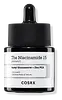
This oil-control serum is formulated around Niacinamide and Acetyl Glucosamine to balance excess oil and refine the look of pores.
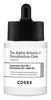
This brightening serum is formulated around Niacinamide and Tranexamic Acid to fade the look of dark spots and brighten dull-looking skin.

What's inside
What's inside
 Key Ingredients
Benefits
Concerns
No concerns
Ingredients Side-by-side

Water
Skin ConditioningPropanediol
Solvent

Glycerin
Humectant
Niacinamide 5%
Smoothing









Tranexamic Acid
Astringent
Acetyl Glucosamine 2%
Skin Conditioning
Alpha-Arbutin 2%
Antioxidant

1,2-Hexanediol
Skin Conditioning
Dimethicone
Emollient
Dimethyl Isosorbide
SolventDiethoxyethyl Succinate
SolventButylene Glycol
Humectant
Citric Acid
Buffering

Alcohol
Antimicrobial



Sodium Polyacryloyldimethyl Taurate
Emulsion StabilisingHydrogenated Lecithin
Emulsifying
Xanthan Gum
EmulsifyingSodium Metabisulfite
Antioxidant
Disodium EDTA
ChelatingEthylhexylglycerin
Skin ConditioningDextrin
AbsorbentTheobroma Cacao Extract
Skin ConditioningSodium Citrate
BufferingMadecassoside
Antioxidant
Sodium Methyl Stearoyl Taurate
CleansingSodium Hyaluronate
Humectant
Tocopherol
Antioxidant
Hydrolyzed Hyaluronic Acid
Humectant
Sodium Hyaluronate Crosspolymer
Humectant
Hyaluronic Acid
Humectant
Ferulic Acid
Antimicrobial
Glycyrrhiza Glabra Root Extract
Bleaching
Panthenol
Skin Conditioning
Arginine
Masking
Methyl Trimethicone
Skin Conditioning
Allantoin
Skin Conditioning
Glutathione
Sodium Acetylated Hyaluronate
Humectant
Water, Propanediol, Glycerin, Niacinamide 5%, Tranexamic Acid, Acetyl Glucosamine 2%, Alpha-Arbutin 2%, 1,2-Hexanediol, Dimethicone, Dimethyl Isosorbide, Diethoxyethyl Succinate, Butylene Glycol, Citric Acid, Alcohol, Sodium Polyacryloyldimethyl Taurate, Hydrogenated Lecithin, Xanthan Gum, Sodium Metabisulfite, Disodium EDTA, Ethylhexylglycerin, Dextrin, Theobroma Cacao Extract, Sodium Citrate, Madecassoside, Sodium Methyl Stearoyl Taurate, Sodium Hyaluronate, Tocopherol, Hydrolyzed Hyaluronic Acid, Sodium Hyaluronate Crosspolymer, Hyaluronic Acid, Ferulic Acid, Glycyrrhiza Glabra Root Extract, Panthenol, Arginine, Methyl Trimethicone, Allantoin, Glutathione, Sodium Acetylated Hyaluronate
Reviews
Ingredients Explained
These ingredients are found in both products.
Ingredients higher up in an ingredient list are typically present in a larger amount.
1,2-Hexanediol is a synthetic liquid and another multi-functional powerhouse.
It is a:
- Humectant, drawing moisture into the skin
- Emollient, helping to soften skin
- Solvent, dispersing and stabilizing formulas
- Preservative booster, enhancing the antimicrobial activity of other preservatives
Acetyl Glucosamine is an antioxidant and humectant. It is an amino acid sugar and is naturally found in our skin.
The cool thing about this ingredient? It helps the skin produce hyaluronic acid and boost hydration. It also has antioxidant benefits to protect skin cells.
When paired with niacinamide, Acetyl Glucosamine has been shown to be effective at reducing discoloration.
Learn more about Acetyl GlucosamineAllantoin is a soothing ingredient known for its protective and moisturizing properties; it's basically a quiet workhorse ingredient you can find in a huge range of cosmetics.
Though it can be derived from the comfrey plant, allantoin is produced synthetically for cosmetic products to ensure purity.
Research shows it can encourage your skin cells to turn over and renew by stimulating keratinocyte and fibroblast proliferation.
It also has mild keratolytic properties to help loosen and shed dead skin cells without being harsh.
Studies also suggest allantoin can help calm inflammation by dialing down some of the chemical signals your skin sends out when it is irritated.
This ingredient is typically used in the 0.1-0.5% range, and the FDA recognizes it as a skin protectant in OTC products up to 2%.
Overall, allantoin is a wonderful addition to most routines; it is stable across a wide pH range (~4-8), works well with other ingredients, and is considered non-sensitizing/non-irritating.
Fun fact: Allantoin is naturally occurring in comfrey root, beets, chamomile, and wheat sprouts. Our bodies even produce it as a byproduct of uric acid metabolism.
Learn more about AllantoinButylene Glycol (or BG) is used within cosmetic products for a few different reasons:
Overall, Butylene Glycol is a safe and well-rounded ingredient that works well with other ingredients.
Though this ingredient works well with most skin types, some people with sensitive skin may experience a reaction such as allergic rashes, closed comedones, or itchiness.
Learn more about Butylene GlycolCitric Acid is an alpha hydroxy acid (AHA) naturally found in citrus fruits like oranges, lemons, and limes.
Like other AHAs, citric acid can exfoliate skin by breaking down the bonds that hold dead skin cells together. This helps reveal smoother and brighter skin underneath.
However, this exfoliating effect only happens at high concentrations (20%) which can be hard to find in cosmetic products.
Due to this, citric acid is usually included in small amounts as a pH adjuster. This helps keep products slightly more acidic and compatible with skin's natural pH.
In skincare formulas, citric acid can:
While it can provide some skin benefits, research shows lactic acid and glycolic acid are generally more effective and less irritating exfoliants.
Most citric acid used in skincare today is made by fermenting sugars (usually from molasses). This synthetic version is identical to the natural citrus form but easier to stabilize and use in formulations.
Rosacea skin has a lower threshold for acids generally, with 62.5% of rosacea subjects in one study reacting to lactic acid in a sting test. This is why we mark citric acid as a potential rosacea trigger.
However, this ingredient shows up as a pH adjuster or chelator at roughly 0.1-1% in many products. These low levels are unlikely to be an issue for rosacea skin and becomes a potential trigger at exfoliating concentrations (20%). Because everybody's skin is unique, we recommend a patch test if you are unsure.
Learn more about Citric AcidEthylhexylglycerin is created from glycerin. It is a multitasker ingredient that:
The CIR Expert Panel found minimal skin absorption or sensitization of any kind in a safety assessment. Though this ingredient is considered well-tolerated, a small number of cases of allergic dermatitis have been published since 2002. Just be sure to patch test if you are unsure.
Industry-reported use ranges from 8% in rinse-off products and 2% in leave-on formulations.
Learn more about EthylhexylglycerinNiacinamide is a multitasking form of vitamin B3 that strengthens the skin barrier, reduces pores and dark spots, regulates oil, and improves signs of aging.
And the best part? It's gentle and well-tolerated by most skin types, including sensitive and reactive skin.
You might have heard of "niacin flush", or the reddening of skin that causes itchiness. Niacinamide has not been found to cause this.
In very rare cases, some individuals may not be able to tolerate niacinamide at all or experience an allergic reaction to it.
If you are experiencing flaking, irritation, and dryness with this ingredient, be sure to double check all your products as this ingredient can be found in all categories of skincare.
When incorporating niacinamide into your routine, look out for concentration amounts. Typically, 5% niacinamide provides benefits such as fading dark spots. However, if you have sensitive skin, it is better to begin with a smaller concentration.
When you apply niacinamide to your skin, your body converts it into nicotinamide adenine dinucleotide (NAD). NAD is an essential coenzyme that is already found in your cells as "fuel" and powers countless biological processes.
In your skin, NAD helps repair cell damage, produce new healthy cells, support collagen production, strengthen the skin barrier, and fight environmental stressors (like UV and pollution).
Our natural NAD levels start to decline with age, leading to slower skin repair, visible aging, and a weaker skin barrier. By providing your skin niacinamide, you're recharging your skin's NAD levels. This leads to stronger, healthier, and younger looking skin.
Another name for vitamin B3 is nicotinamide. This vitamin is water-soluble and our bodies don't store it. We obtain Vitamin B3 from either food or skincare. Meat, fish, wheat, yeast, and leafy greens contain vitamin B3.
The type of niacinamide used in skincare is synthetically created.
Learn more about NiacinamideTocopherol is a fat-soluble antioxidant known as Vitamin E.
You'll find this ingredient in the vast majority of skincare (for good reason). It works to neutralize free radicals, or unstable molecules generated by UV exposure, pollution, and other environmental stressors, before they can cause oxidative damage to your skin cells.
Topically applied tocopherol has been shown to protect against UV damage by ramping up the skin's own natural defense enzymes.
It also acts as a skin conditioning agent; some studies show that regular topical use can improve the skin's water-binding capacity over 2-4 weeks.
This ingredient is especially loved for being a team player. When combined with Vitamin C, the photoprotective effect of both ingredients roughly doubles and the combo also helps reduce UV-induced DNA damage.
This ingredient has some brightening potential but it's more of a prevention ingredient than spot-fader. Cell studies show it can slow down melanin production but it's worth noting that it's not the most powerful brightener out there.
In formulations, it also serves as a stabilizer that helps protect other oxidation-prone ingredients from degrading.
Concentrations usually range from 0.1-1% in most leave-on products.
Learn more about TocopherolWater. It's the most common cosmetic ingredient of all. You'll usually see it at the top of ingredient lists, meaning that it makes up the largest part of the product.
So why is it so popular? Water most often acts as a solvent - this means that it helps dissolve other ingredients into the formulation.
You'll also recognize water as that liquid we all need to stay alive. If you see this, drink a glass of water. Remember to stay hydrated!
Learn more about WaterXanthan gum is used as a stabilizer and thickener within cosmetic products. It helps give products a sticky, thick feeling - preventing them from being too runny.
On the technical side of things, xanthan gum is a polysaccharide - a combination consisting of multiple sugar molecules bonded together.
Xanthan gum is a pretty common and great ingredient. It is a natural, non-toxic, non-irritating ingredient that is also commonly used in food products.
Learn more about Xanthan Gum

