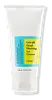
This betaine salicylate gel cleanser is formulated around Betaine Salicylate to clear breakouts and unclog pores.
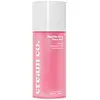
This anti-aging toner is formulated around Palmitoyl Tripeptide-1 and Palmitoyl Tetrapeptide-7 to soften the look of wrinkles.


What's inside
What's inside
 Key Ingredients
Benefits
Concerns
Ingredients Side-by-side
Water
Skin ConditioningCocamidopropyl Betaine
Cleansing



Sodium Lauroyl Methyl Isethionate
CleansingSodium Chloride
MaskingPolysorbate 20
Emulsifying
Styrax Japonicus Branch/Fruit/Leaf Extract
Skin ConditioningButylene Glycol
Humectant

Saccharomyces Ferment
Skin Conditioning
Cryptomeria Japonica Leaf Extract
HumectantNelumbo Nucifera Leaf Extract
Skin ConditioningPinus Palustris Leaf Extract
TonicUlmus Davidiana Root Extract
Skin Conditioning
Oenothera Biennis Flower Extract
AstringentPueraria Lobata Root Extract
HumectantMelaleuca Alternifolia Leaf Oil
Antioxidant





Allantoin
Skin Conditioning

Caprylyl Glycol
Emollient
Ethylhexylglycerin
Skin ConditioningBetaine Salicylate
Antimicrobial

Citric Acid
Buffering

Ethyl Hexanediol
Solvent1,2-Hexanediol
Skin Conditioning
Trisodium Ethylenediamine Disuccinate
ChelatingSodium Benzoate
Masking
Disodium EDTA
ChelatingWater, Cocamidopropyl Betaine, Sodium Lauroyl Methyl Isethionate, Sodium Chloride, Polysorbate 20, Styrax Japonicus Branch/Fruit/Leaf Extract, Butylene Glycol, Saccharomyces Ferment, Cryptomeria Japonica Leaf Extract, Nelumbo Nucifera Leaf Extract, Pinus Palustris Leaf Extract, Ulmus Davidiana Root Extract, Oenothera Biennis Flower Extract, Pueraria Lobata Root Extract, Melaleuca Alternifolia Leaf Oil, Allantoin, Caprylyl Glycol, Ethylhexylglycerin, Betaine Salicylate, Citric Acid, Ethyl Hexanediol, 1,2-Hexanediol, Trisodium Ethylenediamine Disuccinate, Sodium Benzoate, Disodium EDTA
Water
Skin ConditioningGlycerin
Humectant
Aloe Barbadensis Leaf Juice
Skin Conditioning
Panthenol
Skin Conditioning
Sodium Hyaluronate
Humectant

Sodium Polyglutamate
HumectantEctoin
Skin Conditioning
Sodium Levulinate
Skin ConditioningButylene Glycol
Humectant
Squalane
Emollient
Propanediol
Solvent
Cetyl Ethylhexanoate
EmollientAmmonium Acryloyldimethyltaurate/Vp Copolymer
Carbomer
Emulsion StabilisingPolysorbate 20
Emulsifying
Vanilla Planifolia Fruit Oil
Emollient
Hexapeptide-9
Skin Conditioning
Palmitoyl Tripeptide-1
Skin Conditioning
Palmitoyl Tetrapeptide-7
Skin Conditioning
Sodium Benzoate
Masking
Potassium Sorbate
Preservative
Water, Glycerin, Aloe Barbadensis Leaf Juice, Panthenol, Sodium Hyaluronate, Sodium Polyglutamate, Ectoin, Sodium Levulinate, Butylene Glycol, Squalane, Propanediol, Cetyl Ethylhexanoate, Ammonium Acryloyldimethyltaurate/Vp Copolymer, Carbomer, Polysorbate 20, Vanilla Planifolia Fruit Oil, Hexapeptide-9, Palmitoyl Tripeptide-1, Palmitoyl Tetrapeptide-7, Sodium Benzoate, Potassium Sorbate
Reviews
Ingredients Explained
These ingredients are found in both products.
Ingredients higher up in an ingredient list are typically present in a larger amount.
Butylene Glycol (or BG) is used within cosmetic products for a few different reasons:
Overall, Butylene Glycol is a safe and well-rounded ingredient that works well with other ingredients.
Though this ingredient works well with most skin types, some people with sensitive skin may experience a reaction such as allergic rashes, closed comedones, or itchiness.
Learn more about Butylene GlycolPolysorbate 20 is a gentle, water-soluble emulsifier and mild surfactant. It stops oil and water from separating to keep your formulas blended and stable.
It also acts as a mild penetration enhancer by helping active ingredients absorb slightly better.
The common safety discussion around this ingredient involves a manufacturing byproduct called 1,4-dioxane.
Trace amounts can form during production but the EU's Scientific Committee on Consumer Safety has concluded that levels at/below 10 ppm in finished products are safe (commercial products consistently fall within acceptable margins).
True allergic reactions are uncommon and the CIR Expert Panel has confirmed this ingredient to be safe as used in cosmetics.
Because it is derived from lauric acid, it may not be fungal acne safe.
Learn more about Polysorbate 20Sodium Benzoate is a preservative. It's used in both cosmetic and food products to inhibit the growth of mold and bacteria. It is typically produced synthetically.
Both the US FDA and EU Health Committee have approved the use of sodium benzoate. In the US, levels of 0.1% (of the total product) are allowed.
Sodium benzoate works as a preservative by inhibiting the growth of bacteria inside of cells. It prevents the cell from fermenting a type of sugar using an enzyme called phosphofructokinase.
It is the salt of benzoic acid. Foods containing sodium benzoate include soda, salad dressings, condiments, fruit juices, wines, and snack foods.
Studies for using ascorbic acid and sodium benzoate in cosmetics are lacking, especially in skincare routines with multiple steps.
We always recommend speaking with a professional, such as a dermatologist, if you have any concerns.
Learn more about Sodium BenzoateWater. It's the most common cosmetic ingredient of all. You'll usually see it at the top of ingredient lists, meaning that it makes up the largest part of the product.
So why is it so popular? Water most often acts as a solvent - this means that it helps dissolve other ingredients into the formulation.
You'll also recognize water as that liquid we all need to stay alive. If you see this, drink a glass of water. Remember to stay hydrated!
Learn more about Water

