

What's inside
What's inside
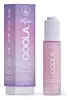 Key Ingredients
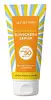
Benefits
Concerns
Ingredients Side-by-side
Hyaluronic Acid
Humectant




Nelumbo Nucifera Flower Extract
Skin ConditioningButyl Methoxydibenzoylmethane 2%
UV Absorber
Homosalate 10%
Skin Conditioning
Ethylhexyl Salicylate 5%
UV Absorber
Octocrylene 6%
UV Absorber

Aloe Barbadensis Leaf Extract
Emollient

Anthemis Nobilis Flower Oil
Masking


Butylene Glycol
Humectant
Butyloctyl Salicylate
Skin Conditioning
Calcium Gluconate
HumectantCaprylic/Capric Triglyceride
Masking
Carthamus Tinctorius Seed Oil
Masking
Citrus Aurantium Amara Flower Extract
RefreshingCitrus Aurantium Amara Leaf/Twig Extract
Skin ConditioningDicaprylyl Carbonate
EmollientGlycerin
Humectant
Glyceryl Stearate Se
Emulsifying

Jasminum Sambac Leaf Cell Extract
Masking
Nylon-12

Olea Europaea Fruit Oil
Masking
Plankton Extract
Skin ConditioningPropanediol
Solvent
Schinus Molle Extract
Skin ProtectingSimmondsia Chinensis Seed Oil
Emollient
Sodium Benzoate
Masking
Sodium Hyaluronate
Humectant
Sodium Stearoyl Glutamate
CleansingTheobroma Cacao Seed Extract
Antioxidant
Tocopheryl Acetate
Antioxidant

Water
Skin ConditioningXanthan Gum
EmulsifyingHyaluronic Acid, Nelumbo Nucifera Flower Extract, Butyl Methoxydibenzoylmethane 2%, Homosalate 10%, Ethylhexyl Salicylate 5%, Octocrylene 6%, Aloe Barbadensis Leaf Extract, Anthemis Nobilis Flower Oil, Butylene Glycol, Butyloctyl Salicylate, Calcium Gluconate, Caprylic/Capric Triglyceride, Carthamus Tinctorius Seed Oil, Citrus Aurantium Amara Flower Extract, Citrus Aurantium Amara Leaf/Twig Extract, Dicaprylyl Carbonate, Glycerin, Glyceryl Stearate Se, Jasminum Sambac Leaf Cell Extract, Nylon-12, Olea Europaea Fruit Oil, Plankton Extract, Propanediol, Schinus Molle Extract, Simmondsia Chinensis Seed Oil, Sodium Benzoate, Sodium Hyaluronate, Sodium Stearoyl Glutamate, Theobroma Cacao Seed Extract, Tocopheryl Acetate, Water, Xanthan Gum
Water
Skin ConditioningEthylhexyl Methoxycinnamate
UV Absorber
Butyl Methoxydibenzoylmethane
UV Absorber
Glycerin
Humectant
Propanediol
Solvent
Polymethyl Methacrylate
Octocrylene
UV Absorber
Butylene Glycol
Humectant
Ectoin
Skin Conditioning
Ascorbic Acid
Antioxidant


Hydroxypropyltrimonium Hyaluronate
Hyaluronic Acid
Humectant
Acrylates Crosspolymer
AbsorbentAllantoin
Skin Conditioning
Phenoxyethanol
Preservative
Sodium Acetylated Hyaluronate
Humectant
Hydrolyzed Hyaluronic Acid
Humectant
Tocopheryl Acetate
Antioxidant
Chlorphenesin
Antimicrobial
Potassium Hyaluronate
Skin ConditioningSodium Hyaluronate Crosspolymer
Humectant
Hydrolyzed Sodium Hyaluronate
Skin Conditioning
Caprylyl 2-Glyceryl Ascorbate
Antioxidant
Xanthan Gum
EmulsifyingWater, Ethylhexyl Methoxycinnamate, Butyl Methoxydibenzoylmethane, Glycerin, Propanediol, Polymethyl Methacrylate, Octocrylene, Butylene Glycol, Ectoin, Ascorbic Acid, Hydroxypropyltrimonium Hyaluronate, Hyaluronic Acid, Acrylates Crosspolymer, Allantoin, Phenoxyethanol, Sodium Acetylated Hyaluronate, Hydrolyzed Hyaluronic Acid, Tocopheryl Acetate, Chlorphenesin, Potassium Hyaluronate, Sodium Hyaluronate Crosspolymer, Hydrolyzed Sodium Hyaluronate, Caprylyl 2-Glyceryl Ascorbate, Xanthan Gum
Reviews
Ingredients Explained
These ingredients are found in both products.
Ingredients higher up in an ingredient list are typically present in a larger amount.
Also known as Avobenzone, this ingredient is a chemical sunscreen filter that provides protection in the UV-A range.
Avobenzone is globally approved and is the most commonly used UV-A filter in the world.
Studies have found that avobenzone becomes ineffective when exposed to UV light (it is not photostable; meaning that it breaks down in sunlight). Because of this, formulations that include avobenzone will usually contain stabilizers such as octocrylene.
However, some modern formulations (looking at you, EU!) are able to stabilize avobenzone by coating the molecules.
Avobenzone does not protect against the UV-B range, so it's important to check that the sunscreen you're using contains other UV filters that do!
The highest concentration of avobenzone permitted is 3% in the US, and 5% in the EU.
Learn more about Butyl MethoxydibenzoylmethaneButylene Glycol (or BG) is used within cosmetic products for a few different reasons:
Overall, Butylene Glycol is a safe and well-rounded ingredient that works well with other ingredients.
Though this ingredient works well with most skin types, some people with sensitive skin may experience a reaction such as allergic rashes, closed comedones, or itchiness.
Learn more about Butylene GlycolGlycerin (or glycerol) is a compound naturally found in your skin. It's a powerhouse humectant that pulls water into the stratum corneum.
Topically, glycerin does several things at once:
Your skin makes glycerin on its own (mostly from sebaceous oil breakdown) and shuttles it to your outermost layer of skin, or your epidermis, via aquaporin-3.
Aquaporin-3 is a transporter that is essential for normal skin hydration, elasticity, and repair. Interestingly, mice lacking in AQP3 have dry and less elastic skin that can be fully corrected with glycerin.
This ingredient is non-irritating, plays well with almost every ingredient, and works across all skin types. Typical use is anywhere between 3-10% but can go up to 79% in some leave-on products.
Just know very high concentrations (>40%) can feel tacky in low humidity.
Glycerin is the name for this ingredient in American English. British English uses Glycerol/Glycerine.
Learn more about GlycerinHyaluronic acid (HA) is a glycosaminoglycan (basically a long sugar chain) that your skin already makes on its own. In your skin, HA lives in the extracellular matrix and acts as the body's moisture reservoir.
Topically, HA is a humectant that binds water and helps skin look more plump, smooth, and hydrated.
The only catch is that HA isn't a single thing; it actually comes in a wide range of molecular weights (~50 - 2,000+ kDA) and size matters.
Some clinical evidence links low molecular weight versions to improved wrinkle depth, elasticity, anti-inflammatory effects, and barrier repair.
This is why the best HA serums blend the two sizes together so you get the best of both worlds.
The majority of cosmetic HA is produced by bacterial fermentation, typically using Streptococcus or Bacillus strains. Typical use levels in skincare sit around 0.1-2%.
A clinical study using a 0.2% low-molecular weight HA gel showed improvement in facial seborrheic dermatitis with excellent tolerance.
These are some other common types of Hyaluronic Acid:
Learn more about Hyaluronic AcidOctocrylene protects skin from sun damage. It absorbs UV-B with peak absorption of 304 nm. It is a common sunscreen ingredient and often paired with avobenzone, a UVA filter. This is because octocrylene stabilizes other sunscreen ingredients by protecting them from degradation when exposed to sunlight. Octocrylene is a photostable ingredient and loses about 10% of SPF in 95 minutes.
Octocrylene also acts as an emollient, meaning it helps skin retain moisture and softens skin. It is oil-soluble and hydrophobic, enhancing water-resistant properties in a product.
Those who are using ketoprofen, a topical anti-inflammatory drug, may experience an allergic reaction when using octocrylene. It is best to speak with a healthcare professional about using sunscreens with octocrylene.
The EU allows a maximum of these concentrations:
Learn more about OctocrylenePropanediol is an all-star ingredient. It softens, hydrates, and smooths the skin.
It’s often used to:
Propanediol is not likely to cause sensitivity and considered safe to use. It is derived from corn or petroleum with a clear color and no scent.
Learn more about PropanediolTocopheryl Acetate is AKA Vitamin E. It is an antioxidant and protects your skin from free radicals. Free radicals damage the skin by breaking down collagen.
One study found using Tocopheryl Acetate with Vitamin C decreased the number of sunburned cells.
Tocopheryl Acetate is commonly found in both skincare and dietary supplements.
Learn more about Tocopheryl AcetateWater. It's the most common cosmetic ingredient of all. You'll usually see it at the top of ingredient lists, meaning that it makes up the largest part of the product.
So why is it so popular? Water most often acts as a solvent - this means that it helps dissolve other ingredients into the formulation.
You'll also recognize water as that liquid we all need to stay alive. If you see this, drink a glass of water. Remember to stay hydrated!
Learn more about WaterXanthan gum is used as a stabilizer and thickener within cosmetic products. It helps give products a sticky, thick feeling - preventing them from being too runny.
On the technical side of things, xanthan gum is a polysaccharide - a combination consisting of multiple sugar molecules bonded together.
Xanthan gum is a pretty common and great ingredient. It is a natural, non-toxic, non-irritating ingredient that is also commonly used in food products.
Learn more about Xanthan Gum
