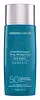
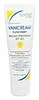
Colorescience Sunforgettable Total Protection Face Shield Classic SPF 50 Versus Vanicream Sunscreen Broad Spectrum SPF 50+
This hybrid sunscreen covers the full UV range and blocks ~98% of UVB at SPF 50.
This sunscreen offers SPF 50 protection with a dewy, hydrating finish.

What's inside
What's inside
 Key Ingredients
Benefits
Concerns
Ingredients Side-by-side
Zinc Oxide 12%
Cosmetic Colorant


Water
Skin ConditioningC12-15 Alkyl Benzoate
AntimicrobialButyloctyl Salicylate
Skin Conditioning
Isododecane
EmollientLauryl PEG-8 Dimethicone
Surfactant
Dimethicone/Vinyl Dimethicone Crosspolymer
Skin Conditioning
Propanediol
Solvent

Dimethicone
Emollient
Caprylyl Methicone
Skin Conditioning
Niacinamide
Smoothing








Tridecyl Salicylate
Skin Conditioning
Trilaureth-4 Phosphate
EmulsifyingDimethiconol/Propylsilsesquioxane/Silicate Crosspolymer
Lauryl PEG-10 Tris(Trimethylsiloxy)Silylethyl Dimethicone
Emulsifying
Maltodextrin
Absorbent
Sodium Chloride
MaskingDisodium Lauriminodipropionate
CleansingTocopheryl Phosphate
CleansingBisabolol
Antioxidant
Ethylhexylglycerin
Skin ConditioningAllantoin
Skin Conditioning
Dimethylmethoxy Chromanol
Antioxidant
Caesalpinia Spinosa Fruit Pod Extract
Tremella Fuciformis Sporocarp Extract
Antioxidant
Helianthus Annuus Sprout Extract
Skin ConditioningCaprylyl Glycol
Emollient
Hexylene Glycol
EmulsifyingTetrasodium Glutamate Diacetate
ChelatingIsoceteth-10
EmulsifyingSilica
Abrasive
Sodium Hydroxide
BufferingPhenoxyethanol
Preservative
Sodium Benzoate
Masking
Benzoic Acid
Masking
Dehydroacetic Acid
Preservative
CI 77491
Cosmetic ColorantCI 77492
Cosmetic ColorantCI 77499
Cosmetic ColorantZinc Oxide 12%, Water, C12-15 Alkyl Benzoate, Butyloctyl Salicylate, Isododecane, Lauryl PEG-8 Dimethicone, Dimethicone/Vinyl Dimethicone Crosspolymer, Propanediol, Dimethicone, Caprylyl Methicone, Niacinamide, Tridecyl Salicylate, Trilaureth-4 Phosphate, Dimethiconol/Propylsilsesquioxane/Silicate Crosspolymer, Lauryl PEG-10 Tris(Trimethylsiloxy)Silylethyl Dimethicone, Maltodextrin, Sodium Chloride, Disodium Lauriminodipropionate, Tocopheryl Phosphate, Bisabolol, Ethylhexylglycerin, Allantoin, Dimethylmethoxy Chromanol, Caesalpinia Spinosa Fruit Pod Extract, Tremella Fuciformis Sporocarp Extract, Helianthus Annuus Sprout Extract, Caprylyl Glycol, Hexylene Glycol, Tetrasodium Glutamate Diacetate, Isoceteth-10, Silica, Sodium Hydroxide, Phenoxyethanol, Sodium Benzoate, Benzoic Acid, Dehydroacetic Acid, CI 77491, CI 77492, CI 77499
Allantoin
Skin Conditioning
Butyloctyl Salicylate
Skin Conditioning
C12-15 Alkyl Benzoate
AntimicrobialCaprylyl Glycol
Emollient
Dimethiconol
Emollient
Glyceryl Behenate
Emollient

Glyceryl Dibehenate
Emollient
Glyceryl Stearate
Emollient
Isodecyl Salicylate
Skin Conditioning
Isopropyl Isostearate
Emollient

Lecithin
Emollient
Neopentyl Glycol Diheptanoate
Emollient1,2-Hexanediol
Skin Conditioning
Polyester-7
Skin ConditioningPolyglyceryl-3 Polyricinoleate
Emulsifying
Propanediol
Solvent
Silica Silylate
Emollient
Sodium Chloride
MaskingSqualane
Emollient
Tribehenin
Emollient
Tridecyl Salicylate
Skin Conditioning
Water
Skin ConditioningAllantoin, Butyloctyl Salicylate, C12-15 Alkyl Benzoate, Caprylyl Glycol, Dimethiconol, Glyceryl Behenate, Glyceryl Dibehenate, Glyceryl Stearate, Isodecyl Salicylate, Isopropyl Isostearate, Lecithin, Neopentyl Glycol Diheptanoate, 1,2-Hexanediol, Polyester-7, Polyglyceryl-3 Polyricinoleate, Propanediol, Silica Silylate, Sodium Chloride, Squalane, Tribehenin, Tridecyl Salicylate, Water
Reviews
Ingredients Explained
These ingredients are found in both products.
Ingredients higher up in an ingredient list are typically present in a larger amount.
Allantoin is a soothing ingredient known for its protective and moisturizing properties; it's basically a quiet workhorse ingredient you can find in a huge range of cosmetics.
Though it can be derived from the comfrey plant, allantoin is produced synthetically for cosmetic products to ensure purity.
Research shows it can encourage your skin cells to turn over and renew by stimulating keratinocyte and fibroblast proliferation.
It also has mild keratolytic properties to help loosen and shed dead skin cells without being harsh.
Studies also suggest allantoin can help calm inflammation by dialing down some of the chemical signals your skin sends out when it is irritated.
This ingredient is typically used in the 0.1-0.5% range, and the FDA recognizes it as a skin protectant in OTC products up to 2%.
Overall, allantoin is a wonderful addition to most routines; it is stable across a wide pH range (~4-8), works well with other ingredients, and is considered non-sensitizing/non-irritating.
Fun fact: Allantoin is naturally occurring in comfrey root, beets, chamomile, and wheat sprouts. Our bodies even produce it as a byproduct of uric acid metabolism.
Learn more about AllantoinButyloctyl Salicylate is a chemical UV filter structurally similar to octisalate. It is a photostabilizer, SPF booster, emollient and solvent. This ingredient helps evenly spread out ingredients.
According to a manufacturer, it is suitable for pairing with micro Titanium Dioxide, Zinc Oxide, and pigments.
Photostabilizers help stabilize UV-filters and prevents them from degrading quickly.
Learn more about Butyloctyl SalicylateC12-15 Alkyl Benzoate is a lightweight emollient made by combinig benzoic acid with fatty alcohols that are 12-15 carbons long.
In cosmetics, it plays several roles:
The Cosmetic Review Expert Panel has concluded the alkyl benzoate group to be safe as used in cosmetics; it wasn't found to be a skin irritant and unlikely to be absorbed due to its low water solubility.
This report recorded almost 1000 reported uses with concentrations up to 59% in leave-on products but your cosmetics will typically use 0.5-15% depending on the product.
It's often called a "SPF booster": this is because it keeps UV filters properly dissolved and evenly distributed to support a sunscreen's performance. It doesn't actually raise SPF on its own.
Overall, this ingredient is well tolerated.
This ingredient is fungal acne safe because it is an ester of benzoic acid.
Think of this ingredient as two parts stuck together: an oily part and an acid part. Malassezia only gets a meal when it can snip off a fatty acid to eat. With C12-15 Alkyl Benzoate, the acid part is benzoic acid, which isn't a fatty acid and which the yeast can't use as food.
Benzoic acid is actually used as a preservative to stop yeast from growing.
The oily part is a blend of C12-15 fatty alcohols but fatty alcohols in this size range can support only a little Malassezia growth (mostly for one species of Malassezia as well).
In the ingredient, those alcohols stay locked inside the molecule. The yeast can only reach them by snipping the benzoate bond, and that type of bond is harder for it to cut than a normal fatty bond.
So not much gets released. And whatever does get snipped comes packaged with benzoic acid, which discourages yeast growth.
Learn more about C12-15 Alkyl BenzoateCaprylyl Glycol is a humectant, skin conditioner, emollient, and preservative booster derived from either caprylic acid or synthetically created.
Typical use levels vary from 0.3-1% as a preservative booster and go up to 2% to condition skin.
Because it is not a free-fatty acid, this ingredient is fungal acne safe (there's nothing for Malassezia to feed on).
Learn more about Caprylyl GlycolPropanediol is an all-star ingredient. It softens, hydrates, and smooths the skin.
It’s often used to:
Propanediol is not likely to cause sensitivity and considered safe to use. It is derived from corn or petroleum with a clear color and no scent.
Learn more about PropanediolChances are, you eat sodium chloride every day. Sodium Chloride is also known as table salt. This ingredient has many purposes in skincare: thickener, emulsifier, and exfoliator.
You'll most likely find this ingredient in cleansers where it is used to create a gel-like texture. As an emulsifier, it also prevents ingredients from separating.
You might see people debate whether Sodium Chloride is comedogenic, but there actually haven't been any comedogenic tests done on it. Either way, the overall formulation of a product matters a lot more than any single ingredient.
You might see this ingredient used in scrubs as a primary exfoliating ingredient.
Learn more about Sodium ChlorideTridecyl salicylate is a non-acidic ester of salicylic acid and is similar to octisalate. It is frequently used in sunscreens and skincare products for its emollient properties.
Unlike salicylic acid, it doesn’t exfoliate the skin but instead improves texture, spreadability, and may boost UV protection of sunscreen.
Due to regulatory loopholes, this ingredient can be found in "100% mineral" sunscreens.
Learn more about Tridecyl SalicylateWater. It's the most common cosmetic ingredient of all. You'll usually see it at the top of ingredient lists, meaning that it makes up the largest part of the product.
So why is it so popular? Water most often acts as a solvent - this means that it helps dissolve other ingredients into the formulation.
You'll also recognize water as that liquid we all need to stay alive. If you see this, drink a glass of water. Remember to stay hydrated!
Learn more about Water

