Colibri Skincare Vitamin C 15 Booster Versus Paula's Choice 25% Vitamin C + Glutathione Clinical Serum
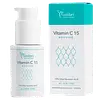
This brightening serum is formulated around 3-O-Ethyl Ascorbic Acid to brighten dull-looking skin and fade the look of dark spots.
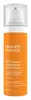
This brightening serum is formulated around Tetrahexyldecyl Ascorbate and Ascorbyl Glucoside to brighten dull-looking skin and fade the look of dark spots.


What's inside
What's inside
 Key Ingredients
Benefits
Concerns
No concerns
Ingredients Side-by-side
Water
Skin ConditioningTetrahexyldecyl Ascorbate
Antioxidant






Dimethicone
Emollient
Glycerin
Humectant

C9-12 Alkane
SolventAscorbyl Glucoside
Antioxidant
Silica
Abrasive

Pyrus Malus Fruit Extract
Skin Conditioning
Hydrogenated Lecithin
Emulsifying
Polyglyceryl-6 Polyricinoleate
Emulsifying

Acrylates/C10-30 Alkyl Acrylate Crosspolymer
Emulsion StabilisingXanthan Gum
EmulsifyingOryza Sativa Bran Extract
Skin Conditioning
Hydroxyethyl Acrylate/Sodium Acryloyldimethyl Taurate Copolymer
Emulsion StabilisingCetyl Alcohol
Emollient

Caprylyl Glycol
Emollient
Lysine Carboxymethyl Cysteinate
Skin ConditioningCoco-Caprylate/Caprate
Emollient
Tocopherol
Antioxidant

Glutathione
Sodium Citrate
BufferingSodium Phytate
Hexylene Glycol
EmulsifyingEthylhexylglycerin
Skin ConditioningHelianthus Annuus Seed Extract
Skin Conditioning
Urea
Buffering
Mannitol
Humectant
Caprylic/Capric Triglyceride
Masking
Sodium PCA
Humectant
Rosmarinus Officinalis Leaf Extract
AntimicrobialPolysorbate 60
Emulsifying
Sorbitan Isostearate
Emulsifying
Trehalose
Humectant
Ascorbic Acid
Antioxidant
Glucose
Humectant
Vanilla Planifolia Fruit Extract
Skin Conditioning
Polyquaternium-51
Skin Conditioning
Ergothioneine
Antioxidant
Triacetin
AntimicrobialSodium Hyaluronate
Humectant
Phenoxyethanol
Preservative
Water, Tetrahexyldecyl Ascorbate, Dimethicone, Glycerin, C9-12 Alkane, Ascorbyl Glucoside, Silica, Pyrus Malus Fruit Extract, Hydrogenated Lecithin, Polyglyceryl-6 Polyricinoleate, Acrylates/C10-30 Alkyl Acrylate Crosspolymer, Xanthan Gum, Oryza Sativa Bran Extract, Hydroxyethyl Acrylate/Sodium Acryloyldimethyl Taurate Copolymer, Cetyl Alcohol, Caprylyl Glycol, Lysine Carboxymethyl Cysteinate, Coco-Caprylate/Caprate, Tocopherol, Glutathione, Sodium Citrate, Sodium Phytate, Hexylene Glycol, Ethylhexylglycerin, Helianthus Annuus Seed Extract, Urea, Mannitol, Caprylic/Capric Triglyceride, Sodium PCA, Rosmarinus Officinalis Leaf Extract, Polysorbate 60, Sorbitan Isostearate, Trehalose, Ascorbic Acid, Glucose, Vanilla Planifolia Fruit Extract, Polyquaternium-51, Ergothioneine, Triacetin, Sodium Hyaluronate, Phenoxyethanol
Reviews
Ingredients Explained
These ingredients are found in both products.
Ingredients higher up in an ingredient list are typically present in a larger amount.
Glucose is a simple sugar (a monosaccharide). In skincare, it is mostly a humectant and skin conditioning agent.
Mechanistically, it has multiple hydroxyl groups that hydrogen-bond to water. This pulls moisture into the upper layers of skin to keep the surface soft and hydrated.
It's worth knowing sugars are already a natural component of the skin's NMF (natural moisturizing factor) so it's a molecule that your stratum corneum is well-acquainted with.
Just so you know, glucose is hydrophilic (water-loving) and the stratum corneum is a strong barrier to hydrophilic compounds. This just means penetration is slow and most of the action is happening on the surface.
Gram-to-gram, glucose is not as efficient as a humectant as glycerin. This is why you'll likely see glycose paired with stronger humectants for a bigger hydration payoff.
In skincare, glucose is typically derived from corn or other starch sources.
Learn more about GlucoseSodium Hyaluronate is the salt form of hyaluronic acid. It is a long sugar chain that is naturally found in your skin, joints, and connective tissue that maintains hydration and elasticity.
In skincare, it works as a humectant. It pulls water from the environment and deeper layers of skin and binds it to the surface.
Interestingly, the size of the molecule affects its behavior:
Some clinical evidence links low molecular weight versions to improved wrinkle depth, elasticity, anti-inflammatory effects, and barrier repair.
Many serums use a blend of both weights so you can get surface hydration plus longer-lasting and deeper effects.
You'll typically see concentrations between 0.1-2% for this ingredient.
Learn more about Sodium HyaluronateWater. It's the most common cosmetic ingredient of all. You'll usually see it at the top of ingredient lists, meaning that it makes up the largest part of the product.
So why is it so popular? Water most often acts as a solvent - this means that it helps dissolve other ingredients into the formulation.
You'll also recognize water as that liquid we all need to stay alive. If you see this, drink a glass of water. Remember to stay hydrated!
Learn more about WaterXanthan gum is used as a stabilizer and thickener within cosmetic products. It helps give products a sticky, thick feeling - preventing them from being too runny.
On the technical side of things, xanthan gum is a polysaccharide - a combination consisting of multiple sugar molecules bonded together.
Xanthan gum is a pretty common and great ingredient. It is a natural, non-toxic, non-irritating ingredient that is also commonly used in food products.
Learn more about Xanthan Gum

