

What's inside
What's inside
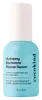 Key Ingredients
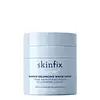
Benefits
Concerns
No concerns
Ingredients Side-by-side
Water
Skin ConditioningGlycerin
Humectant


Propanediol
Solvent
Coco-Caprylate/Caprate
Emollient
Caprylic/Capric Triglyceride
Masking
Sodium Acrylates Copolymer
Pentylene Glycol
Skin Conditioning
Lecithin
Emollient
Caprylyl Glycol
Emollient
Ethylhexylglycerin
Skin ConditioningZinc PCA
Humectant




Sodium PCA
Humectant
Magnesium PCA
Humectant
Manganese PCA
HumectantXanthan Gum
EmulsifyingMaltodextrin
Absorbent
Hydrolyzed Glycosaminoglycans
HumectantSodium Hyaluronate
Humectant

Hyaluronic Acid
Humectant
Hydrolyzed Hyaluronic Acid
Humectant
Polyglutamic Acid
Skin Conditioning
Beta-Glucan
Skin Conditioning
Tremella Fuciformis Polysaccharide
Emulsion Stabilising
Pullulan
Sclerotium Gum
Emulsion StabilisingSilica
Abrasive
Glyceryl Acrylate/Acrylic Acid Copolymer
HumectantChlamydomonas Extract
Skin ConditioningWater, Glycerin, Propanediol, Coco-Caprylate/Caprate, Caprylic/Capric Triglyceride, Sodium Acrylates Copolymer, Pentylene Glycol, Lecithin, Caprylyl Glycol, Ethylhexylglycerin, Zinc PCA, Sodium PCA, Magnesium PCA, Manganese PCA, Xanthan Gum, Maltodextrin, Hydrolyzed Glycosaminoglycans, Sodium Hyaluronate, Hyaluronic Acid, Hydrolyzed Hyaluronic Acid, Polyglutamic Acid, Beta-Glucan, Tremella Fuciformis Polysaccharide, Pullulan, Sclerotium Gum, Silica, Glyceryl Acrylate/Acrylic Acid Copolymer, Chlamydomonas Extract
Water
Skin ConditioningSqualane
Emollient
Propanediol
Solvent
Niacinamide
Smoothing



Triheptanoin
Skin ConditioningSaccharide Isomerate
Humectant
Ammonium Acryloyldimethyltaurate/Vp Copolymer
Zinc PCA
Humectant
Hydrolyzed Hyaluronic Acid
Humectant
Allantoin
Skin Conditioning
Camellia Sinensis Seed Extract
Humectant
Acetyl Heptapeptide-4
Humectant
Glucose
Humectant
Citric Acid
Buffering

Sodium Citrate
BufferingCaprylyl Glycol
Emollient
Trisodium Ethylenediamine Disuccinate
C12-20 Alkyl Glucoside
EmulsifyingC14-22 Alcohols
Emulsion Stabilising
Ethylhexylglycerin
Skin ConditioningPotassium Sorbate
Preservative
Phenoxyethanol
Preservative
Water, Squalane, Propanediol, Niacinamide, Triheptanoin, Saccharide Isomerate, Ammonium Acryloyldimethyltaurate/Vp Copolymer, Zinc PCA, Hydrolyzed Hyaluronic Acid, Allantoin, Camellia Sinensis Seed Extract, Acetyl Heptapeptide-4, Glucose, Citric Acid, Sodium Citrate, Caprylyl Glycol, Trisodium Ethylenediamine Disuccinate, C12-20 Alkyl Glucoside, C14-22 Alcohols, Ethylhexylglycerin, Potassium Sorbate, Phenoxyethanol
Reviews
Ingredients Explained
These ingredients are found in both products.
Ingredients higher up in an ingredient list are typically present in a larger amount.
Caprylyl Glycol is a humectant, skin conditioner, emollient, and preservative booster derived from either caprylic acid or synthetically created.
Typical use levels vary from 0.3-1% as a preservative booster and go up to 2% to condition skin.
Because it is not a free-fatty acid or alcohol, this ingredient is fungal acne safe (there's nothing for Malassezia to feed on).
Learn more about Caprylyl GlycolEthylhexylglycerin is created from glycerin. It is a multitasker ingredient that:
The CIR Expert Panel found minimal skin absorption or sensitization of any kind in a safety assessment. Though this ingredient is considered well-tolerated, a small number of cases of allergic dermatitis have been published since 2002. Just be sure to patch test if you are unsure.
Industry-reported use ranges from 8% in rinse-off products and 2% in leave-on formulations.
Learn more about EthylhexylglycerinHydrolyzed Hyaluronic Acid is hyaluronic acid (HA) that is broken down into lower molecular weight fragments.
It's a humectant that pulls and holds water in the skin to help with hydration, plumpness, and reduce transepidermal water loss.
Because hydrolyzed hyaluronic acid is smaller in size, it can slip past your outermost layer of skin more easily than full-sized HA.
Most formulations will combine all sizes to get the best of both worlds.
Typical usage levels range from 0.01-1%. Any percentage higher than 2% might become goopy and tacky.
Learn more about Hydrolyzed Hyaluronic AcidPropanediol is an all-star ingredient. It softens, hydrates, and smooths the skin.
It’s often used to:
Propanediol is not likely to cause sensitivity and considered safe to use. It is derived from corn or petroleum with a clear color and no scent.
Learn more about PropanediolWater. It's the most common cosmetic ingredient of all. You'll usually see it at the top of ingredient lists, meaning that it makes up the largest part of the product.
So why is it so popular? Water most often acts as a solvent - this means that it helps dissolve other ingredients into the formulation.
You'll also recognize water as that liquid we all need to stay alive. If you see this, drink a glass of water. Remember to stay hydrated!
Learn more about WaterZinc PCA (or "zinc salt") differs slightly from zinc itself. PCA stands for pyrrolidone carboxylic acid. However, Zinc PCA comes from zinc.
It can help reduce redness, regulate sebum, and promote the general healing process of the skin.
Zinc PCA tends to be especially useful for those with oily, acne-prone skin. It's certainly an ingredient worth trying out!
Learn more about Zinc PCA
