
What's inside
What's inside
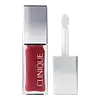 Key Ingredients
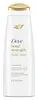
Benefits
Concerns
Ingredients Side-by-side
Hydrogenated Polyisobutene
EmollientTriisostearyl Citrate
EmollientPentaerythrityl Tetraethylhexanoate
Emollient
Polyglyceryl-2 Triisostearate
Emulsifying

Hydrogenated Polydecene
EmollientRicinus Communis Seed Oil
Masking

Dipentaerythrityl Tri-Polyhydroxystearate
Emollient
Carthamus Tinctorius Seed Oil
Masking
Olea Europaea Fruit Oil
Masking

Simmondsia Chinensis Seed Oil
Emollient

Silica
Abrasive


Tocopheryl Acetate
Antioxidant


Squalane
Emollient
Curcuma Longa Root Extract
Antioxidant
Helianthus Annuus Seed Oil
Emollient
Lauryl PCA
HumectantCaprylyl Glycol
Emollient
Dimethicone
Emollient
Polysilicone-11
Pentaerythrityl Tetra-Di-T-Butyl Hydroxyhydrocinnamate
Antioxidant
Mica
Cosmetic ColorantCI 77891
Cosmetic ColorantCI 77491
Cosmetic ColorantCI 77492
Cosmetic ColorantCI 77499
Cosmetic ColorantCI 77163
Cosmetic Colorant
CI 75470
Cosmetic ColorantCI 77742
Cosmetic ColorantCI 45370
Cosmetic ColorantCI 15850
Cosmetic ColorantCI 45380
Cosmetic ColorantCI 45410
Cosmetic ColorantCI 42090
Cosmetic ColorantCI 73360
Cosmetic ColorantCI 17200
Cosmetic ColorantCI 19140
Cosmetic ColorantCI 15985
Cosmetic ColorantHydrogenated Polyisobutene, Triisostearyl Citrate, Pentaerythrityl Tetraethylhexanoate, Polyglyceryl-2 Triisostearate, Hydrogenated Polydecene, Ricinus Communis Seed Oil, Dipentaerythrityl Tri-Polyhydroxystearate, Carthamus Tinctorius Seed Oil, Olea Europaea Fruit Oil, Simmondsia Chinensis Seed Oil, Silica, Tocopheryl Acetate, Squalane, Curcuma Longa Root Extract, Helianthus Annuus Seed Oil, Lauryl PCA, Caprylyl Glycol, Dimethicone, Polysilicone-11, Pentaerythrityl Tetra-Di-T-Butyl Hydroxyhydrocinnamate, Mica, CI 77891, CI 77491, CI 77492, CI 77499, CI 77163, CI 75470, CI 77742, CI 45370, CI 15850, CI 45380, CI 45410, CI 42090, CI 73360, CI 17200, CI 19140, CI 15985
Water
Skin ConditioningSodium C12-13 Pareth Sulfate
Cleansing
Cocamidopropyl Betaine
Cleansing

Sodium Gluconate
ChelatingCocos Nucifera Oil
Masking
Sh-Polypeptide-121
Skin Conditioning
Hydrolyzed Pea Protein
EmollientHydrolyzed Vegetable Protein
Skin ConditioningHydrolyzed Soy Protein
Humectant
Parfum
Masking
Dimethiconol
Emollient
Sodium Chloride
MaskingCitric Acid
Buffering
Glycerin
Humectant
Glycol Distearate
Emollient
Carbomer
Emulsion StabilisingSodium Benzoate
Masking
Sodium Laureth Sulfate
Cleansing
Guar Hydroxypropyltrimonium Chloride
Skin ConditioningPPG-9
Skin ConditioningTea-Dodecylbenzenesulfonate
CleansingCocamide Mea
Emulsifying
Disodium EDTA
ChelatingPEG-45m
HumectantBenzyl Salicylate
Perfuming
Citronellol
Perfuming
Hexyl Cinnamal
Perfuming
Limonene
Perfuming
Linalool
Perfuming
Mica
Cosmetic ColorantCI 17200
Cosmetic ColorantCI 77891
Cosmetic ColorantCI 19140
Cosmetic ColorantWater, Sodium C12-13 Pareth Sulfate, Cocamidopropyl Betaine, Sodium Gluconate, Cocos Nucifera Oil, Sh-Polypeptide-121, Hydrolyzed Pea Protein, Hydrolyzed Vegetable Protein, Hydrolyzed Soy Protein, Parfum, Dimethiconol, Sodium Chloride, Citric Acid, Glycerin, Glycol Distearate, Carbomer, Sodium Benzoate, Sodium Laureth Sulfate, Guar Hydroxypropyltrimonium Chloride, PPG-9, Tea-Dodecylbenzenesulfonate, Cocamide Mea, Disodium EDTA, PEG-45m, Benzyl Salicylate, Citronellol, Hexyl Cinnamal, Limonene, Linalool, Mica, CI 17200, CI 77891, CI 19140
Ingredients Explained
These ingredients are found in both products.
Ingredients higher up in an ingredient list are typically present in a larger amount.
CI 17200 is a synthetic, water-soluble, reddish-pink dye. It is used purely as a cosmetic colorant.
In the US, the FDA permits this ingredient in cosmetics but it is not approved for use around the eyes while the EU allows this to be used in all cosmetic products.
The FDA requires batch-to-batch certification for this ingredient that is held to a pretty rigorous standard. That means the CI 17200 in your cosmetics has been tested and approved before it ever reaches you.
Contact allergy to cosmetic-grade dyes used at low concentrations are uncommon but has been documented before.
This ingredient also goes by the name D&C RED NO. 33.
CI 17200 has a comedogenic rating of 1 and an irritancy rating of 2 on a scale of 0-5. This is based on peer-reviewed research from the man who invented the comedogenic scale.
A 1 on the comedogenic scale is about as low as it gets without being a flat zero, and makes sense for CI 17200.
It's a water-soluble dye used at very small concentrations (typically 0.001-0.1%), so it dissolves into the water phase of a formula rather than sitting on your skin the way an oil or wax would.
The irritancy rating of 2 reflects that, like most synthetic dyes, there's a small possibility of mild irritation ( particularly for people with existing dye sensitivities).
For the vast majority of people, it's a non-issue at typical use levels.
It's also worth keeping in mind that comedogenic and irritancy ratings are tested on individual ingredients, not finished formulas. The final product's formulation, concentration, and other ingredients all play a role in how something actually behaves on your skin.
Just so you know, the FDA ban on Red Dye No. 3 refers to CI 45430, not this ingredient. CI 45430 and CI 17200 are different chemical compounds with distinct safety and regulatory histories.
It's also worth noting that Red No. 3 (CI 45430) was already banned from cosmetics back in 1990, so the 2025 action just extended the ban to food and oral drugs. CI 17200 was never part of any of this.
Learn more about CI 17200CI 19140 is also known as Tartrazine. Tartrazine is a synthetic dye used in cosmetics, foods, and medicine to add a yellow color.
Tartrazine is created from petroleum and is water-soluble.
Some people may experience allergies from this dye, especially asthmatics and those with an aspirin intolerance.
Learn more about CI 19140Ci 77891 is a white pigment from Titanium dioxide. It is naturally found in minerals such as rutile and ilmenite.
It's main function is to add a white color to cosmetics. It can also be mixed with other colors to create different shades.
Ci 77891 is commonly found in sunscreens due to its ability to block UV rays.
Learn more about CI 77891Mica is a naturally occurring mineral used to add shimmer and color in cosmetics. It can also help improve the texture of a product or give it an opaque, white/silver color.
Serecite is the name for very fine but ragged grains of mica.
This ingredient is often coated with metal oxides like titanium dioxide. Trace amounts of heavy metals may be found in mica, but these metals are not harmful in our personal products.
Mica has been used since prehistoric times throughout the world. Ancient Egyptian, Indian, Greek, Roman, Aztec, and Chinese civilizations have used mica.
Learn more about Mica

