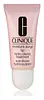
This hydrating lip mask is formulated around Petrolatum and Butyrospermum Parkii Butter to hydrate lips and strengthen the lip barrier.


What's inside
What's inside
 Key Ingredients
Benefits
Concerns
Ingredients Side-by-side
Petrolatum
Emollient



Polybutene
Polyglyceryl-2 Triisostearate
Emulsifying

Hydrogenated Polyisobutene
EmollientTocopheryl Acetate
Antioxidant


Vp/Hexadecene Copolymer
Silica
Abrasive


Hydrogenated Castor Oil
Emollient
PPG-51/Smdi Copolymer
Caprylic/Capric/Myristic/Stearic Triglyceride
EmollientButyrospermum Parkii Butter
Skin Conditioning


Sea Whip Extract
Skin ConditioningCeramide Ng
Skin Conditioning


Cholesterol
Emollient
Astrocaryum Murumuru Seed Butter
Emollient
Caprylic/Capric Triglyceride
Masking
Ethylene/Propylene/Styrene Copolymer
C12-16 Alcohols
EmollientTetrahexyldecyl Ascorbate
Antioxidant



Butylene/Ethylene/Styrene Copolymer
Caprylyl Glycol
Emollient
Palmitic Acid
Emollient
Hydrogenated Lecithin
Emulsifying
Petrolatum, Polybutene, Polyglyceryl-2 Triisostearate, Hydrogenated Polyisobutene, Tocopheryl Acetate, Vp/Hexadecene Copolymer, Silica, Hydrogenated Castor Oil, PPG-51/Smdi Copolymer, Caprylic/Capric/Myristic/Stearic Triglyceride, Butyrospermum Parkii Butter, Sea Whip Extract, Ceramide Ng, Cholesterol, Astrocaryum Murumuru Seed Butter, Caprylic/Capric Triglyceride, Ethylene/Propylene/Styrene Copolymer, C12-16 Alcohols, Tetrahexyldecyl Ascorbate, Butylene/Ethylene/Styrene Copolymer, Caprylyl Glycol, Palmitic Acid, Hydrogenated Lecithin
Pentaerythrityl Isostearate/Caprate/Caprylate/Adipate
EmollientMacadamia Ternifolia Seed Oil
Emollient
Octyldodecyl Stearate
Emollient
PEG-45/Dodecyl Glycol Copolymer
Emulsion StabilisingAlumina
Abrasive
Microcrystalline Wax
Emulsion StabilisingPolyglyceryl-3 Beeswax
Emulsifying
Paraffin
Skin Conditioning
Hydrogenated Castor Oil Dimer Dilinoleate
Skin Conditioning
Mica
Cosmetic ColorantBis-Diglyceryl Polyacyladipate-2
Emollient
CI 15850
Cosmetic ColorantCI 77491
Cosmetic ColorantCI 77891
Cosmetic ColorantRosa Centifolia Flower Extract
Astringent
Rosa Damascena Flower Oil
Masking

Rosa Hybrid Flower Extract
Skin ConditioningTin Oxide
Abrasive
Water
Skin ConditioningGlucomannan
Skin ConditioningTrihydroxystearin
Skin Conditioning
Sodium Hyaluronate
Humectant
Silica
Abrasive
Aluminum Hydroxide
EmollientAlcohol
Antimicrobial

Propylene Glycol
Humectant
Hydroxypalmitoyl Sphinganine
Skin Conditioning
Hydroxypropyl Tetrahydropyrantriol
Skin ConditioningSynthetic Wax
Abrasive
Disteardimonium Hectorite
StabilisingEthylhexyl Palmitate
Emollient
Tocopherol
Antioxidant
Tocopheryl Acetate
Antioxidant
Pentaerythrityl Tetra-Di-T-Butyl Hydroxyhydrocinnamate
Antioxidant
CI 77492
Cosmetic ColorantCI 77499
Cosmetic ColorantCI 19140
Cosmetic ColorantGeraniol
Perfuming
Methyl 2-Octynoate
Perfuming
Hydroxycitronellal
Perfuming
Citronellol
Perfuming
Hexyl Cinnamal
Perfuming
Benzyl Alcohol
Perfuming
Parfum
Masking
Pentaerythrityl Isostearate/Caprate/Caprylate/Adipate, Macadamia Ternifolia Seed Oil, Octyldodecyl Stearate, PEG-45/Dodecyl Glycol Copolymer, Alumina, Microcrystalline Wax, Polyglyceryl-3 Beeswax, Paraffin, Hydrogenated Castor Oil Dimer Dilinoleate, Mica, Bis-Diglyceryl Polyacyladipate-2, CI 15850, CI 77491, CI 77891, Rosa Centifolia Flower Extract, Rosa Damascena Flower Oil, Rosa Hybrid Flower Extract, Tin Oxide, Water, Glucomannan, Trihydroxystearin, Sodium Hyaluronate, Silica, Aluminum Hydroxide, Alcohol, Propylene Glycol, Hydroxypalmitoyl Sphinganine, Hydroxypropyl Tetrahydropyrantriol, Synthetic Wax, Disteardimonium Hectorite, Ethylhexyl Palmitate, Tocopherol, Tocopheryl Acetate, Pentaerythrityl Tetra-Di-T-Butyl Hydroxyhydrocinnamate, CI 77492, CI 77499, CI 19140, Geraniol, Methyl 2-Octynoate, Hydroxycitronellal, Citronellol, Hexyl Cinnamal, Benzyl Alcohol, Parfum
Reviews
Ingredients Explained
These ingredients are found in both products.
Ingredients higher up in an ingredient list are typically present in a larger amount.
Silica, also known as silicon dioxide, is a naturally occurring mineral. It is used as a fine, spherical, and porous powder in cosmetics.
Though it has exfoliant properties, the function of silica varies depending on the product.
The unique structure of silica enhances the spreadability and adds smoothness, making it a great texture enhancer.
It is also used as an active carrier, emulsifier, and mattifier due to its ability to absorb excess oil.
In some products, tiny microneedles called spicules are made from silica or hydrolyzed sponge. When you rub them in, they lightly polish away dead skin layers and enhance the penetration of active ingredients.
Learn more about SilicaTocopheryl Acetate is a stable, shelf-friendly form of vitamin E.
Formulators love it because plain vitamin E oxidizes quickly once it hits air. This acetate version stays stable and resists going off, helping to extend a product's shelf life.
It's actually inactive on its own and works like a slow-release "storage" form; the enzymes in your skin called esterases gradually convert it into active vitamin E over time.
One in vivo study showed 5% of the acetate in the living layer of the epidermis converted to vitamin E after 5 days of application. This study also found the skin gained protection against UV damage even though the conversion was slow and small.
Once converted, vitamin E acts as a skin's main fat-soluble antioxidant that fights free radicals to protect skin from damage.
Topical vitamin E generally boosts the skin's photoprotection, and it reduced UV-damage in animal models.
This ingredient has some brightening potential but it's more of a prevention ingredient than spot-fader. Cell studies show it can slow down melanin production but it's worth noting that it's not the most powerful brightener out there.
Overall, it has a pretty solid safety profile and has been found to be non-irritating and non-comedogenic. Allergic reactions may happen but stay rare due to how widely the ingredient gets used.
The concentration will vary depending on the formula; industry data shows 0.1% in baby lotions, 3% in lipsticks, and 5% in foot powders. You can also find this ingredient at 100% in a pure vitamin E oil.
Most leave-on skincare keeps it at the lower end, often between 0.5-1%.
Learn more about Tocopheryl Acetate

