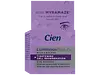
This brightening eye moisturizer is formulated around Sodium Hyaluronate and Ascorbic Acid to brighten dull-looking skin and hydrate skin.


What's inside
What's inside
 Key Ingredients

Benefits
Concerns
No concerns
Ingredients Side-by-side
Glycerin
Humectant


Methylpropanediol
SolventSodium Polyacrylate Starch
AbsorbentPropanediol
Solvent
Myrothamnus Flabellifolia Leaf/Stem Extract
HumectantDipropylene Glycol
HumectantPolygonum Bistorta Root Extract
Skin ConditioningSophora Japonica Flower Extract
Skin ProtectingHexylene Glycol
EmulsifyingTetrasodium EDTA
Sodium Hyaluronate
Humectant


Xanthan Gum
EmulsifyingAscorbic Acid
Antioxidant




Citric Acid
Buffering

Caprylyl Glycol
Emollient
Glyceryl Caprylate
EmollientGlycerin, Methylpropanediol, Sodium Polyacrylate Starch, Propanediol, Myrothamnus Flabellifolia Leaf/Stem Extract, Dipropylene Glycol, Polygonum Bistorta Root Extract, Sophora Japonica Flower Extract, Hexylene Glycol, Tetrasodium EDTA, Sodium Hyaluronate, Xanthan Gum, Ascorbic Acid, Citric Acid, Caprylyl Glycol, Glyceryl Caprylate
Water
Skin ConditioningGlycerin
Humectant
Butylene Glycol
Humectant
Caprylic/Capric Triglyceride
Masking
Cetyl Ethylhexanoate
EmollientHydrogenated Polydecene
Emollient1,2-Hexanediol
Skin Conditioning
Betaine
Humectant
Propanediol
Solvent
Ammonium Acryloyldimethyltaurate/Vp Copolymer
Hydroxyacetophenone
Antioxidant
Acrylates/C10-30 Alkyl Acrylate Crosspolymer
Emulsion StabilisingPentaerythrityl Tetra-Di-T-Butyl Hydroxyhydrocinnamate
Antioxidant
Hydrogenated Lecithin
Emulsifying
Ethylhexylglycerin
Skin ConditioningRetinol
Skin Conditioning




Tromethamine
BufferingBenzotriazolyl Dodecyl P-Cresol
UV AbsorberGlyceryl Polymethacrylate
Hdi/Trimethylol Hexyllactone Crosspolymer
Xanthan Gum
EmulsifyingCholesterol
Emollient
Panthenol
Skin Conditioning
Disodium EDTA
Polyvinyl Alcohol
Methylpropanediol
SolventTocopherol
Antioxidant
Ceramide NP
Skin Conditioning
Centella Asiatica Leaf Water
Skin Conditioning
Caprylyl Glycol
Emollient
Phenylpropanol
Masking

Madecassoside
Antioxidant
Hyaluronic Acid
Humectant
Bakuchiol
Antimicrobial
Echinacea Purpurea Extract
MoisturisingSodium DNA
Skin Conditioning
Acetyl Tetrapeptide-5
Humectant
Acetyl Hexapeptide-1
Skin Conditioning
Acetyl Hexapeptide-8
Humectant
Water, Glycerin, Butylene Glycol, Caprylic/Capric Triglyceride, Cetyl Ethylhexanoate, Hydrogenated Polydecene, 1,2-Hexanediol, Betaine, Propanediol, Ammonium Acryloyldimethyltaurate/Vp Copolymer, Hydroxyacetophenone, Acrylates/C10-30 Alkyl Acrylate Crosspolymer, Pentaerythrityl Tetra-Di-T-Butyl Hydroxyhydrocinnamate, Hydrogenated Lecithin, Ethylhexylglycerin, Retinol, Tromethamine, Benzotriazolyl Dodecyl P-Cresol, Glyceryl Polymethacrylate, Hdi/Trimethylol Hexyllactone Crosspolymer, Xanthan Gum, Cholesterol, Panthenol, Disodium EDTA, Polyvinyl Alcohol, Methylpropanediol, Tocopherol, Ceramide NP, Centella Asiatica Leaf Water, Caprylyl Glycol, Phenylpropanol, Madecassoside, Hyaluronic Acid, Bakuchiol, Echinacea Purpurea Extract, Sodium DNA, Acetyl Tetrapeptide-5, Acetyl Hexapeptide-1, Acetyl Hexapeptide-8
Reviews
Ingredients Explained
These ingredients are found in both products.
Ingredients higher up in an ingredient list are typically present in a larger amount.
Caprylyl Glycol is a humectant, skin conditioner, emollient, and preservative booster derived from either caprylic acid or synthetically created.
Typical use levels vary from 0.3-1% as a preservative booster and go up to 2% to condition skin.
Because it is not a free-fatty acid, this ingredient is fungal acne safe (there's nothing for Malassezia to feed on).
Learn more about Caprylyl GlycolGlycerin (or glycerol) is a compound naturally found in your skin. It's a powerhouse humectant that pulls water into the stratum corneum.
Topically, glycerin does several things at once:
Your skin makes glycerin on its own (mostly from sebaceous oil breakdown) and shuttles it to your outermost layer of skin, or your epidermis, via aquaporin-3.
Aquaporin-3 is a transporter that is essential for normal skin hydration, elasticity, and repair. Interestingly, mice lacking in AQP3 have dry and less elastic skin that can be fully corrected with glycerin.
This ingredient is non-irritating, plays well with almost every ingredient, and works across all skin types. Typical use is anywhere between 3-10% but can go up to 79% in some leave-on products.
Just know very high concentrations (>40%) can feel tacky in low humidity.
Glycerin is the name for this ingredient in American English. British English uses Glycerol/Glycerine.
Learn more about GlycerinMethylpropanediol is a synthetic solvent and humectant.
As a solvent, it helps dissolve other ingredients, helping to evenly distribute ingredients throughout the product. This ingredient has also been shown to have antimicrobial properties which makes it a preservative booster.
Methylpropanediol is able to add a bit of moisture to the skin. It also helps other ingredients be better absorbed into the skin, such as salicylic acid.
Learn more about MethylpropanediolPropanediol is an all-star ingredient. It softens, hydrates, and smooths the skin.
It’s often used to:
Propanediol is not likely to cause sensitivity and considered safe to use. It is derived from corn or petroleum with a clear color and no scent.
Learn more about PropanediolXanthan gum is used as a stabilizer and thickener within cosmetic products. It helps give products a sticky, thick feeling - preventing them from being too runny.
On the technical side of things, xanthan gum is a polysaccharide - a combination consisting of multiple sugar molecules bonded together.
Xanthan gum is a pretty common and great ingredient. It is a natural, non-toxic, non-irritating ingredient that is also commonly used in food products.
Learn more about Xanthan Gum

