
What's inside
What's inside
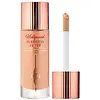 Key Ingredients
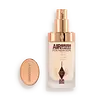
Benefits
Concerns
Ingredients Side-by-side
Water
Skin ConditioningHydrogenated Didecene
Skin ConditioningMica
Cosmetic Colorant
Glycerin
Humectant



Propanediol
Solvent
Squalane
Emollient
Cetyl PEG/PPG-10/1 Dimethicone
Emulsifying
Isoamyl Laurate
Emollient
Hydrogenated Styrene/Isoprene Copolymer
Sodium Chloride
Masking


Caprylic/Capric Triglyceride
Masking
Hydroxyacetophenone
Antioxidant

Polyglyceryl-4 Isostearate
Emulsifying
1,2-Hexanediol
Skin Conditioning
Caprylyl Glycol
Emollient
Trisodium Ethylenediamine Disuccinate
Hoya Lacunosa Flower Extract
Skin ConditioningPentaerythrityl Tetra-Di-T-Butyl Hydroxyhydrocinnamate
Antioxidant
CI 77891
Cosmetic ColorantIron Oxides
CI 77163
Cosmetic ColorantWater, Hydrogenated Didecene, Mica, Glycerin, Propanediol, Squalane, Cetyl PEG/PPG-10/1 Dimethicone, Isoamyl Laurate, Hydrogenated Styrene/Isoprene Copolymer, Sodium Chloride, Caprylic/Capric Triglyceride, Hydroxyacetophenone, Polyglyceryl-4 Isostearate, 1,2-Hexanediol, Caprylyl Glycol, Trisodium Ethylenediamine Disuccinate, Hoya Lacunosa Flower Extract, Pentaerythrityl Tetra-Di-T-Butyl Hydroxyhydrocinnamate, CI 77891, Iron Oxides, CI 77163
Water
Skin ConditioningIsododecane
EmollientDimethicone
Emollient
Glycerin
Humectant
Cetyl PEG/PPG-10/1 Dimethicone
Emulsifying
Butylene Glycol Dicaprylate/Dicaprate
EmollientTrisiloxane
Skin Conditioning
Silica
Abrasive
Bis-Hydroxyethoxypropyl Dimethicone/Ipdi Copolymer Ethylcarbamate
Quaternium-90 Bentonite
Calcium Sodium Borosilicate
Di-C12-13 Alkyl Tartrate
EmollientDiisostearyl Malate
EmollientSorbitan Isostearate
Emulsifying
Phenoxyethanol
Preservative
Sodium Chloride
Masking
Alcohol
Antimicrobial


Saccharomyces Ferment
Skin Conditioning
Dimethicone Crosspolymer
Emulsion Stabilising
Menthyl PCA
HumectantMarrubium Vulgare Extract
Skin ConditioningPotassium Sorbate
Preservative
Sodium Dehydroacetate
Preservative
Dextrin Palmitate
Emulsifying
Alumina
Abrasive
Triethoxycaprylylsilane
Dimethicone/Vinyl Dimethicone Crosspolymer
Skin Conditioning
Polyphenylsilsesquioxane
C20-24 Olefin
Skin ConditioningPropylene Carbonate
SolventGlycogen
HumectantTocopheryl Acetate
Antioxidant
Isomalt
HumectantLauroyl Lysine
Skin ConditioningCitric Acid
Buffering



Pentaerythrityl Tetra-Di-T-Butyl Hydroxyhydrocinnamate
Antioxidant
Phytol
Emollient
CI 77891
Cosmetic ColorantIron Oxides
Water, Isododecane, Dimethicone, Glycerin, Cetyl PEG/PPG-10/1 Dimethicone, Butylene Glycol Dicaprylate/Dicaprate, Trisiloxane, Silica, Bis-Hydroxyethoxypropyl Dimethicone/Ipdi Copolymer Ethylcarbamate, Quaternium-90 Bentonite, Calcium Sodium Borosilicate, Di-C12-13 Alkyl Tartrate, Diisostearyl Malate, Sorbitan Isostearate, Phenoxyethanol, Sodium Chloride, Alcohol, Saccharomyces Ferment, Dimethicone Crosspolymer, Menthyl PCA, Marrubium Vulgare Extract, Potassium Sorbate, Sodium Dehydroacetate, Dextrin Palmitate, Alumina, Triethoxycaprylylsilane, Dimethicone/Vinyl Dimethicone Crosspolymer, Polyphenylsilsesquioxane, C20-24 Olefin, Propylene Carbonate, Glycogen, Tocopheryl Acetate, Isomalt, Lauroyl Lysine, Citric Acid, Pentaerythrityl Tetra-Di-T-Butyl Hydroxyhydrocinnamate, Phytol, CI 77891, Iron Oxides
Reviews
Ingredients Explained
These ingredients are found in both products.
Ingredients higher up in an ingredient list are typically present in a larger amount.
This ingredient is a high molecular weight silicone. It has emulsifying and skin conditioning properties.
Ci 77891 is a white pigment from Titanium dioxide. It is naturally found in minerals such as rutile and ilmenite.
It's main function is to add a white color to cosmetics. It can also be mixed with other colors to create different shades.
Ci 77891 is commonly found in sunscreens due to its ability to block UV rays.
Learn more about CI 77891Glycerin is already naturally found in your skin. It helps moisturize and protect your skin.
A study from 2016 found glycerin to be more effective as a humectant than AHAs and hyaluronic acid.
As a humectant, it helps the skin stay hydrated by pulling moisture to your skin. The low molecular weight of glycerin allows it to pull moisture into the deeper layers of your skin.
Hydrated skin improves your skin barrier; Your skin barrier helps protect against irritants and bacteria.
Glycerin has also been found to have antimicrobial and antiviral properties. Due to these properties, glycerin is often used in wound and burn treatments.
In cosmetics, glycerin is usually derived from plants such as soybean or palm. However, it can also be sourced from animals, such as tallow or animal fat.
This ingredient is organic, colorless, odorless, and non-toxic.
Glycerin is the name for this ingredient in American English. British English uses Glycerol/Glycerine.
Learn more about GlycerinPentaerythrityl Tetra-Di-T-Butyl Hydroxyhydrocinnamate (long name, huh?) is a synthetic antioxidant.
It is used to help stabilize other antioxidants or prevent the color from changing in a product.
As an antioxidant, it helps fight free-radical molecules. Free-radical molecules are capable of damaging our cells and other genetic material. Thus, antioxidants may reduce the signs of aging.
This ingredient is oil-soluble.
Learn more about Pentaerythrityl Tetra-Di-T-Butyl HydroxyhydrocinnamateChances are, you eat sodium chloride every day. Sodium Chloride is also known as table salt.
This ingredient has many purposes in skincare: thickener, emulsifier, and exfoliator.
You'll most likely find this ingredient in cleansers where it is used to create a gel-like texture. As an emulsifier, it also prevents ingredients from separating.
There is much debate on whether this ingredient is comedogenic. The short answer - comedogenic ratings don't tell the whole story. Learn more about comegodenic ratings here.
The concensus about this ingredient causing acne seems to be divided. Research is needed to understand if this ingredient does cause acne.
Scrubs may use salt as the primary exfoliating ingredient.
Learn more about Sodium ChlorideWater. It's the most common cosmetic ingredient of all. You'll usually see it at the top of ingredient lists, meaning that it makes up the largest part of the product.
So why is it so popular? Water most often acts as a solvent - this means that it helps dissolve other ingredients into the formulation.
You'll also recognize water as that liquid we all need to stay alive. If you see this, drink a glass of water. Stay hydrated!
Learn more about WaterThis ingredient is a combination of red, black, and yellow iron oxide pigments. This combination of colors is usually found in foundation, because it results in a "skin" color.

