
What's inside
What's inside
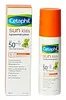 Key Ingredients
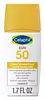
Benefits
Concerns
No concerns
Ingredients Side-by-side
Methylene Bis-Benzotriazolyl Tetramethylbutylphenol
UV Filter
C12-15 Alkyl Benzoate
AntimicrobialDibutyl Adipate
EmollientDicaprylyl Carbonate
EmollientPentylene Glycol
Skin Conditioning
Dimethicone
Emollient

Alcohol
Antimicrobial




Cetyl Phosphate
EmulsifyingGlycerin
Humectant
Cetyl Alcohol
Emollient


Triethanolamine
BufferingPanthenol
Skin Conditioning

Tocopherol
Antioxidant




Lecithin
Emollient
Decyl Glucoside
Cleansing
Carbomer
Emulsion StabilisingPropylene Glycol
Humectant
Xanthan Gum
EmulsifyingBHT
Antioxidant
Aloe Barbadensis Leaf Juice
Skin Conditioning
Methylene Bis-Benzotriazolyl Tetramethylbutylphenol, C12-15 Alkyl Benzoate, Dibutyl Adipate, Dicaprylyl Carbonate, Pentylene Glycol, Dimethicone, Alcohol, Cetyl Phosphate, Glycerin, Cetyl Alcohol, Triethanolamine, Panthenol, Tocopherol, Lecithin, Decyl Glucoside, Carbomer, Propylene Glycol, Xanthan Gum, BHT, Aloe Barbadensis Leaf Juice
Zinc Oxide 12%
Cosmetic Colorant

Allantoin
Skin Conditioning
Bisabolol
Antioxidant
Butyloctyl Salicylate
Skin Conditioning
C12-15 Alkyl Benzoate
AntimicrobialCaprylyl Glycol
Emollient
Caprylyl Methicone
Skin Conditioning
Dimethicone
Emollient
Dimethiconol
Emollient
Ethylhexylglycerin
Skin ConditioningHexylene Glycol
EmulsifyingIsododecane
EmollientLauryl PEG-10 Tris(Trimethylsiloxy)Silylethyl Dimethicone
Emulsifying
Lauryl PEG-8 Dimethicone
Surfactant
Niacinamide
Smoothing



Octyldodecyl Neopentanoate
EmollientPEG-10
HumectantPhenoxyethanol
Preservative
Polymethylsilsesquioxane
Propanediol
Solvent
Sodium Chloride
MaskingSodium Hydroxide
BufferingTetrasodium Glutamate Diacetate
Tocopherol
Antioxidant
Trilaureth-4 Phosphate
EmulsifyingWater
Skin ConditioningZinc Oxide 12%, Allantoin, Bisabolol, Butyloctyl Salicylate, C12-15 Alkyl Benzoate, Caprylyl Glycol, Caprylyl Methicone, Dimethicone, Dimethiconol, Ethylhexylglycerin, Hexylene Glycol, Isododecane, Lauryl PEG-10 Tris(Trimethylsiloxy)Silylethyl Dimethicone, Lauryl PEG-8 Dimethicone, Niacinamide, Octyldodecyl Neopentanoate, PEG-10, Phenoxyethanol, Polymethylsilsesquioxane, Propanediol, Sodium Chloride, Sodium Hydroxide, Tetrasodium Glutamate Diacetate, Tocopherol, Trilaureth-4 Phosphate, Water
Reviews
Ingredients Explained
These ingredients are found in both products.
Ingredients higher up in an ingredient list are typically present in a larger amount.
C12-15 Alkyl Benzoate is made up of Benzoic Acid and long chain alcohols. It has a low molecular weight.
C12-15 Alkyl Benzoate is an emollient and texture enhancer. Due to its solubility, it is often used in sunscreens to help evenly distribute active ingredients.
As an emollient, C12-15 Alkyl Benzoate helps soften and hydrate your skin. Emollients create a film on your skin that traps moisture within.
This ingredient has been reported to cause eye irritation.
Learn more about C12-15 Alkyl BenzoateDimethicone is a type of synthetic silicone created from natural materials such as quartz. It is also known as polydimethylsiloxane.
What it does:
Dimethicone comes in different viscosities:
Depending on the viscosity, dimethicone has different properties.
Ingredients lists don't always show which type is used, so we recommend reaching out to the brand if you have questions about the viscosity.
This ingredient is unlikely to cause irritation because it does not get absorbed into skin. However, people with silicone allergies should be careful about using this ingredient.
Note: Dimethicone may contribute to pilling. This is because it is not oil or water soluble, so pilling may occur when layered with products. When mixed with heavy oils in a formula, the outcome is also quite greasy.
Learn more about DimethiconeTocopherol is a fat-soluble antioxidant known as Vitamin E.
You'll find this ingredient in the vast majority of skincare (for good reason). It works to neutralize free radicals, or unstable molecules generated by UV exposure, pollution, and other environmental stressors, before they can cause oxidative damage to your skin cells.
Topically applied tocopherol has been shown to protect against UV damage by ramping up the skin's own natural defense enzymes.
It also acts as a skin conditioning agent; some studies show that regular topical use can improve the skin's water-binding capacity over 2-4 weeks.
This ingredient is especially loved for being a team player. When combined with Vitamin C, the photoprotective effect of both ingredients roughly doubles and the combo also helps reduce UV-induced DNA damage.
This ingredient has some brightening potential but it's more of a prevention ingredient than spot-fader. Cell studies show it can slow down melanin production but it's worth noting that it's not the most powerful brightener out there.
In formulations, it also serves as a stabilizer that helps protect other oxidation-prone ingredients from degrading.
Concentrations usually range from 0.1-1% in most leave-on products.
Learn more about Tocopherol
