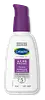
This oil-control day moisturizer is formulated around Hydroxypalmitoyl Sphinganine and Zinc Gluconate to balance excess oil and clear breakouts.
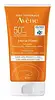
This chemical sunscreen covers the full UV range and blocks ~98% of UVB at SPF 50.


What's inside
What's inside
 Key Ingredients
Benefits
Concerns
Ingredients Side-by-side
Water
Skin ConditioningOctocrylene
UV Absorber



Isopropyl Lauroyl Sarcosinate
Skin ConditioningEthylhexyl Salicylate
UV Absorber
Glycerin
Humectant


Dimethicone
Emollient
Butyl Methoxydibenzoylmethane
UV Absorber
Diisopropyl Sebacate
EmollientSucrose Tristearate
Emollient

Aluminum Starch Octenylsuccinate
Absorbent
Silica
Abrasive

Polymethyl Methacrylate
Polysorbate 61
Emulsifying
Pentylene Glycol
Skin Conditioning
Allantoin
Skin Conditioning

Caprylyl Glycol
Emollient
Carbomer
Emulsion StabilisingDimethiconol
Emollient
Disodium EDTA
Glycyrrhetinic Acid
Skin Conditioning
Hydroxypalmitoyl Sphinganine
Skin Conditioning
Panthenol
Skin Conditioning
Phenoxyethanol
Preservative
Potassium Sorbate
Preservative
Sodium Stearoyl Glutamate
CleansingTocopheryl Acetate
Antioxidant


Triethanolamine
BufferingXanthan Gum
EmulsifyingZinc Gluconate
Skin Conditioning

Water, Octocrylene, Isopropyl Lauroyl Sarcosinate, Ethylhexyl Salicylate, Glycerin, Dimethicone, Butyl Methoxydibenzoylmethane, Diisopropyl Sebacate, Sucrose Tristearate, Aluminum Starch Octenylsuccinate, Silica, Polymethyl Methacrylate, Polysorbate 61, Pentylene Glycol, Allantoin, Caprylyl Glycol, Carbomer, Dimethiconol, Disodium EDTA, Glycyrrhetinic Acid, Hydroxypalmitoyl Sphinganine, Panthenol, Phenoxyethanol, Potassium Sorbate, Sodium Stearoyl Glutamate, Tocopheryl Acetate, Triethanolamine, Xanthan Gum, Zinc Gluconate
Water
Skin ConditioningC12-15 Alkyl Benzoate
AntimicrobialCaprylic/Capric Triglyceride
Masking
Dicaprylyl Carbonate
EmollientDiethylamino Hydroxybenzoyl Hexyl Benzoate
UV Filter
Glycerin
Humectant
Ethylhexyl Triazone
UV Absorber
Phenylene Bis-Diphenyltriazine
Stabilising
Bis-Ethylhexyloxyphenol Methoxyphenyl Triazine
UV Absorber
Potassium Cetyl Phosphate
EmulsifyingStearyl Alcohol
Emollient
Vp/Eicosene Copolymer
Benzoic Acid
Masking
Caprylyl Glycol
Emollient
Glyceryl Behenate
Emollient
Glyceryl Dibehenate
Emollient
Glyceryl Stearate
Emollient
PEG-100 Stearate
Surfactant
Polyacrylate-13
Polyisobutene
Polysorbate 20
Emulsifying
PPG-1-PEG-9 Lauryl Glycol Ether
EmulsifyingCI 17200
Cosmetic ColorantSorbitan Isostearate
Emulsifying
Tocopherol
Antioxidant

Tocopheryl Glucoside
EmollientTribehenin
Emollient
Xanthan Gum
EmulsifyingWater, C12-15 Alkyl Benzoate, Caprylic/Capric Triglyceride, Dicaprylyl Carbonate, Diethylamino Hydroxybenzoyl Hexyl Benzoate, Glycerin, Ethylhexyl Triazone, Phenylene Bis-Diphenyltriazine, Bis-Ethylhexyloxyphenol Methoxyphenyl Triazine, Potassium Cetyl Phosphate, Stearyl Alcohol, Vp/Eicosene Copolymer, Benzoic Acid, Caprylyl Glycol, Glyceryl Behenate, Glyceryl Dibehenate, Glyceryl Stearate, PEG-100 Stearate, Polyacrylate-13, Polyisobutene, Polysorbate 20, PPG-1-PEG-9 Lauryl Glycol Ether, CI 17200, Sorbitan Isostearate, Tocopherol, Tocopheryl Glucoside, Tribehenin, Xanthan Gum
Reviews
Ingredients Explained
These ingredients are found in both products.
Ingredients higher up in an ingredient list are typically present in a larger amount.
Caprylyl Glycol is a humectant, skin conditioner, emollient, and preservative booster derived from either caprylic acid or synthetically created.
Typical use levels vary from 0.3-1% as a preservative booster and go up to 2% to condition skin.
Because it is not a free-fatty acid, this ingredient is fungal acne safe (there's nothing for Malassezia to feed on).
Learn more about Caprylyl GlycolGlycerin (or glycerol) is a compound naturally found in your skin. It's a powerhouse humectant that pulls water into the stratum corneum.
Topically, glycerin does several things at once:
Your skin makes glycerin on its own (mostly from sebaceous oil breakdown) and shuttles it to your outermost layer of skin, or your epidermis, via aquaporin-3.
Aquaporin-3 is a transporter that is essential for normal skin hydration, elasticity, and repair. Interestingly, mice lacking in AQP3 have dry and less elastic skin that can be fully corrected with glycerin.
This ingredient is non-irritating, plays well with almost every ingredient, and works across all skin types. Typical use is anywhere between 3-10% but can go up to 79% in some leave-on products.
Just know very high concentrations (>40%) can feel tacky in low humidity.
Glycerin is the name for this ingredient in American English. British English uses Glycerol/Glycerine.
Learn more about GlycerinWater. It's the most common cosmetic ingredient of all. You'll usually see it at the top of ingredient lists, meaning that it makes up the largest part of the product.
So why is it so popular? Water most often acts as a solvent - this means that it helps dissolve other ingredients into the formulation.
You'll also recognize water as that liquid we all need to stay alive. If you see this, drink a glass of water. Remember to stay hydrated!
Learn more about WaterXanthan gum is used as a stabilizer and thickener within cosmetic products. It helps give products a sticky, thick feeling - preventing them from being too runny.
On the technical side of things, xanthan gum is a polysaccharide - a combination consisting of multiple sugar molecules bonded together.
Xanthan gum is a pretty common and great ingredient. It is a natural, non-toxic, non-irritating ingredient that is also commonly used in food products.
Learn more about Xanthan Gum

