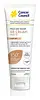
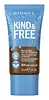
Cancer Council Face Day Wear BB Cream Tinted SPF 50+ Versus Rimmel London Kind + Free Moisturising Skin Tint


What's inside
What's inside
 Key Ingredients
Benefits
Concerns
Ingredients Side-by-side
Water
Skin ConditioningIsopropyl Palmitate
Emollient




Neopentyl Glycol Diheptanoate
EmollientOctocrylene
UV Absorber


Butyl Methoxydibenzoylmethane
UV Absorber
Ethylhexyl Triazone
UV Absorber
4-Methylbenzylidene Camphor
UV Absorber
Hydrated Silica
Abrasive
Stearic Acid
Cleansing
Cetearyl Alcohol
Emollient

Triethanolamine
BufferingPolyglyceryl-3 Diisostearate
Emulsifying
Magnesium Aluminum Silicate
Absorbent
Dimethicone
Emollient

Phenoxyethanol
Preservative
Hydroxyacetophenone
Antioxidant
Xanthan Gum
EmulsifyingTocopheryl Acetate
Antioxidant

Terminalia Ferdinandiana Fruit Powder
Antioxidant
Actinidia Chinensis Fruit Extract
EmollientChamomilla Recutita Flower Extract
Masking


Tetrasodium EDTA
Argania Spinosa Kernel Oil
Emollient

Simmondsia Chinensis Seed Oil
Emollient
Euterpe Oleracea Fruit Oil
Skin Conditioning
Camellia Sinensis Leaf Extract
Antimicrobial

Aloe Barbadensis Leaf Juice
Skin Conditioning
CI 77891
Cosmetic ColorantIron Oxides
Water, Isopropyl Palmitate, Neopentyl Glycol Diheptanoate, Octocrylene, Butyl Methoxydibenzoylmethane, Ethylhexyl Triazone, 4-Methylbenzylidene Camphor, Hydrated Silica, Stearic Acid, Cetearyl Alcohol, Triethanolamine, Polyglyceryl-3 Diisostearate, Magnesium Aluminum Silicate, Dimethicone, Phenoxyethanol, Hydroxyacetophenone, Xanthan Gum, Tocopheryl Acetate, Terminalia Ferdinandiana Fruit Powder, Actinidia Chinensis Fruit Extract, Chamomilla Recutita Flower Extract, Tetrasodium EDTA, Argania Spinosa Kernel Oil, Simmondsia Chinensis Seed Oil, Euterpe Oleracea Fruit Oil, Camellia Sinensis Leaf Extract, Aloe Barbadensis Leaf Juice, CI 77891, Iron Oxides
Water
Skin ConditioningDicaprylyl Carbonate
EmollientDicaprylyl Ether
Emollient
Glycerin
Humectant
Trimethylsiloxysilicate
Emollient
Aluminum Starch Octenylsuccinate
Absorbent
Ethylhexyl Methoxycinnamate
UV Absorber
Sodium Chloride
MaskingZinc Oxide
Cosmetic Colorant
Tri (Polyglyceryl-3/Lauryl) Hydrogenated Trilinoleate
EmulsifyingStearalkonium Bentonite
Gel FormingSilica
Abrasive
Cetyl PEG/PPG-10/1 Dimethicone
Emulsifying
Mica
Cosmetic ColorantPropylene Carbonate
SolventTocopherol
Antioxidant
Panthenol
Skin Conditioning
Sodium Benzoate
Masking
Triethoxycaprylylsilane
Chlorphenesin
Antimicrobial
Aloe Barbadensis Leaf Juice
Skin Conditioning
Methicone
Emollient
Pantolactone
Humectant
BHT
Antioxidant
Pentaerythrityl Tetra-Di-T-Butyl Hydroxyhydrocinnamate
Antioxidant
CI 77891
Cosmetic ColorantCI 77491
Cosmetic ColorantCI 77492
Cosmetic ColorantCI 77499
Cosmetic ColorantWater, Dicaprylyl Carbonate, Dicaprylyl Ether, Glycerin, Trimethylsiloxysilicate, Aluminum Starch Octenylsuccinate, Ethylhexyl Methoxycinnamate, Sodium Chloride, Zinc Oxide, Tri (Polyglyceryl-3/Lauryl) Hydrogenated Trilinoleate, Stearalkonium Bentonite, Silica, Cetyl PEG/PPG-10/1 Dimethicone, Mica, Propylene Carbonate, Tocopherol, Panthenol, Sodium Benzoate, Triethoxycaprylylsilane, Chlorphenesin, Aloe Barbadensis Leaf Juice, Methicone, Pantolactone, BHT, Pentaerythrityl Tetra-Di-T-Butyl Hydroxyhydrocinnamate, CI 77891, CI 77491, CI 77492, CI 77499
Reviews
Ingredients Explained
These ingredients are found in both products.
Ingredients higher up in an ingredient list are typically present in a larger amount.
Aloe Barbadensis Leaf Juice is the filtered, stabilized liquid pressed from the inner gel of the aloe vera leaf.
In cosmetics, it shows up as either soothing active or a water-replacement base. It is roughly 98-99% water and the last 1-2% is an interesting mix of polysaccharides, amino acids, vitamins, minerals, and enzymes.
The polysaccharides do most of the work: they bind water at the skin surface for a light, non-greasy hydration boost. And one of the polysaccharides, glycomannan, is linked to fibroblast stimulation + collagen synthesis. This is also why aloe has such a long track record in wound and burn healing.
This ingredient is also calming with anti-inflammatory and mild antimicrobial activity, making it a great pick for sensitive, irritated, or post-sun skin.
Realistic expectations matter though; the solid evidence is mostly limited to hydration, soothing, and wound support. Deeper claims about anti-aging or sun protection are not well backed, and science reviews note it does not prevent radiation-induced skin injury.
Because it plays well with almost everything, it's commonly used as a base alongside other actives like niacinamide or vitamin C.
Typical usage concentrations range from 0.5% (where hydration benefits already show up) all the way to 90%+ (where it replaces water as the main base).
The safety for this ingredient is well-establish as well. Overall, this is a great supporting ingredient for those who want a boost in hydration.
Learn more about Aloe Barbadensis Leaf JuiceCi 77891 is a white pigment from Titanium dioxide. It is naturally found in minerals such as rutile and ilmenite.
It's main function is to add a white color to cosmetics. It can also be mixed with other colors to create different shades.
Ci 77891 is commonly found in sunscreens due to its ability to block UV rays.
Learn more about CI 77891Water. It's the most common cosmetic ingredient of all. You'll usually see it at the top of ingredient lists, meaning that it makes up the largest part of the product.
So why is it so popular? Water most often acts as a solvent - this means that it helps dissolve other ingredients into the formulation.
You'll also recognize water as that liquid we all need to stay alive. If you see this, drink a glass of water. Remember to stay hydrated!
Learn more about Water

