
What's inside
What's inside
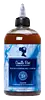 Key Ingredients
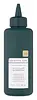
Benefits
Concerns
Ingredients Side-by-side
Water
Skin ConditioningGlycerin
Humectant


Disodium Cocoamphodipropionate
CleansingSodium C14-16 Olefin Sulfonate
Cleansing

Cocamidopropyl Betaine
Cleansing

Citric Acid
Buffering

Ricinus Communis Seed Oil
Masking


Croton Zambesicus Powder
Glycine Soja Seed Extract
Skin Conditioning

Curcumin
Antioxidant
Decyl Glucoside
Cleansing
Panthenol
Skin Conditioning
Polyquaternium-7
Polyquaternium-10
Phenoxyethanol
Preservative
Ethylhexylglycerin
Skin ConditioningWater, Glycerin, Disodium Cocoamphodipropionate, Sodium C14-16 Olefin Sulfonate, Cocamidopropyl Betaine, Citric Acid, Ricinus Communis Seed Oil, Croton Zambesicus Powder, Glycine Soja Seed Extract, Curcumin, Decyl Glucoside, Panthenol, Polyquaternium-7, Polyquaternium-10, Phenoxyethanol, Ethylhexylglycerin
Water
Skin ConditioningSodium Lauroyl Methyl Isethionate
CleansingCocamidopropyl Betaine
Cleansing
Glycerin
Humectant
Oleth-5
Emulsifying
Parfum
Masking
Phenoxyethanol
Preservative
Disteareth-100 Ipdi
Sodium Lauroamphoacetate
CleansingSodium Benzoate
Masking
Citric Acid
Buffering
Polyquaternium-10
Potassium Sorbate
Preservative
Polyquaternium-7
Panthenol
Skin Conditioning
Trisodium Ethylenediamine Disuccinate
ChelatingButylene Glycol
Humectant
Hydrolyzed Pea Protein
EmollientChamomilla Recutita Flower Extract
Masking
Equisetum Hyemale Leaf/Stem Extract
Skin ConditioningEucalyptus Globulus Leaf Extract
Perfuming
Hydrolyzed Rice Protein
Skin ConditioningSalvia Officinalis Leaf Extract
CleansingAloe Barbadensis Leaf Juice
Skin Conditioning
Algin
MaskingCaprylic/Capric Triglyceride
Masking
Carrageenan

Chitosan
Coco-Glucoside
Cleansing
Cocos Nucifera Fruit Extract
Emollient
Guar Hydroxypropyltrimonium Chloride
Skin ConditioningHelianthus Annuus Seed Oil
Emollient
Lavandula Angustifolia Extract
Skin Conditioning
Mangifera Indica Seed Butter
Skin Conditioning
Persea Gratissima Oil
Skin Conditioning
Ricinus Communis Seed Oil
Masking
Sorbitan Oleate
Emulsifying
Xanthan Gum
EmulsifyingWater, Sodium Lauroyl Methyl Isethionate, Cocamidopropyl Betaine, Glycerin, Oleth-5, Parfum, Phenoxyethanol, Disteareth-100 Ipdi, Sodium Lauroamphoacetate, Sodium Benzoate, Citric Acid, Polyquaternium-10, Potassium Sorbate, Polyquaternium-7, Panthenol, Trisodium Ethylenediamine Disuccinate, Butylene Glycol, Hydrolyzed Pea Protein, Chamomilla Recutita Flower Extract, Equisetum Hyemale Leaf/Stem Extract, Eucalyptus Globulus Leaf Extract, Hydrolyzed Rice Protein, Salvia Officinalis Leaf Extract, Aloe Barbadensis Leaf Juice, Algin, Caprylic/Capric Triglyceride, Carrageenan, Chitosan, Coco-Glucoside, Cocos Nucifera Fruit Extract, Guar Hydroxypropyltrimonium Chloride, Helianthus Annuus Seed Oil, Lavandula Angustifolia Extract, Mangifera Indica Seed Butter, Persea Gratissima Oil, Ricinus Communis Seed Oil, Sorbitan Oleate, Xanthan Gum
Ingredients Explained
These ingredients are found in both products.
Ingredients higher up in an ingredient list are typically present in a larger amount.
Citric Acid is an alpha hydroxy acid (AHA) naturally found in citrus fruits like oranges, lemons, and limes.
Like other AHAs, citric acid can exfoliate skin by breaking down the bonds that hold dead skin cells together. This helps reveal smoother and brighter skin underneath.
However, this exfoliating effect only happens at high concentrations (20%) which can be hard to find in cosmetic products.
Due to this, citric acid is usually included in small amounts as a pH adjuster. This helps keep products slightly more acidic and compatible with skin's natural pH.
In skincare formulas, citric acid can:
While it can provide some skin benefits, research shows lactic acid and glycolic acid are generally more effective and less irritating exfoliants.
Most citric acid used in skincare today is made by fermenting sugars (usually from molasses). This synthetic version is identical to the natural citrus form but easier to stabilize and use in formulations.
Rosacea skin has a lower threshold for acids generally, with 62.5% of rosacea subjects in one study reacting to lactic acid in a sting test. This is why we mark citric acid as a potential rosacea trigger.
However, this ingredient shows up as a pH adjuster or chelator at roughly 0.1-1% in many products. These low levels are unlikely to be an issue for rosacea skin and becomes a potential trigger at exfoliating concentrations (20%). Because everybody's skin is unique, we recommend a patch test if you are unsure.
Learn more about Citric AcidCocamidopropyl Betaine is a fatty acid created by mixing similar compounds in coconut oil and dimethylaminopropylamine, a compound with two amino groups.
This ingredient is a surfactant and cleanser. It helps gather the dirt, pollutants, and other impurities in your skin to be washed away. It also helps thicken a product and make the texture more creamy.
Being created from coconut oil means Cocamidopropyl Betaine is hydrating for the skin.
While Cocamidopropyl Betaine was believed to be an allergen, a study from 2012 disproved this. It found two compounds in unpure Cocamidopropyl Betaine to be the irritants: aminoamide and 3-dimethylaminopropylamine. High-grade and pure Cocamidopropyl Betaine did not induce allergic reactions during this study.
Learn more about Cocamidopropyl BetaineGlycerin (or glycerol) is a compound naturally found in your skin. It's a powerhouse humectant that pulls water into the stratum corneum.
Topically, glycerin does several things at once:
Your skin makes glycerin on its own (mostly from sebaceous oil breakdown) and shuttles it to your outermost layer of skin, or your epidermis, via aquaporin-3.
Aquaporin-3 is a transporter that is essential for normal skin hydration, elasticity, and repair. Interestingly, mice lacking in AQP3 have dry and less elastic skin that can be fully corrected with glycerin.
This ingredient is non-irritating, plays well with almost every ingredient, and works across all skin types. Typical use is anywhere between 3-10% but can go up to 79% in some leave-on products.
Just know very high concentrations (>40%) can feel tacky in low humidity.
Glycerin is the name for this ingredient in American English. British English uses Glycerol/Glycerine.
Learn more about GlycerinPanthenol is a common ingredient that helps hydrate and soothe the skin. It is found naturally in our skin and hair.
There are two forms of panthenol: D and L.
D-panthenol is also known as dexpanthenol. Most cosmetics use dexpanthenol or a mixture of D and L-panthenol.
Panthenol is famous due to its ability to go deeper into the skin's layers. Using this ingredient has numerous pros (and no cons):
Like hyaluronic acid, panthenol is a humectant. Humectants are able to bind and hold large amounts of water to keep skin hydrated.
This ingredient works well for wound healing. It works by increasing tissue in the wound and helps close open wounds.
Once oxidized, panthenol converts to pantothenic acid. Panthothenic acid is found in all living cells.
This ingredient is also referred to as pro-vitamin B5.
Learn more about PanthenolPhenoxyethanol is one of the most widely used preservatives in skincare (and for good reason!).
It has a large spectrum of antimicrobial activity and especially effective bacteria, yeast, and mold while only having a weak effect on your skin's natural microbiome.
On a cellular level, it disrupts the cell membranes of microbes by poking holes that make the cell leak. This shuts down the chemical reactions the microbe needs to make energy so it can no longer survive.
Another perk of this ingredient is that it stays functional across a wide pH range (3-10).
You'll often see it paired with boosters like Ethylhexylglycerin; one study showed that a 1:9 ratio of Ethylhexylglycerin to Phenoxyethanol damages bacterial membranes as effectively as doubling the Phenoxyethanol concentration on its own.
Typical use concentrations range from 0.3-1% depending on the formula, and this ingredient is capped at 1% int the EU.
Safety-wise, the fear mongering does not hold up to the evidence. The EU's Scientific Committee on Consumer Safety and FDA consider it safe as a preservative at up to 1%, including for children of all ages.
Adverse systemic effects only showed up in animal studies at exposures roughly 200x higher than what people get from cosmetics. And despite its very widespread use, this ingredient is a rare sensitizer and allergic reactions are uncommon.
Learn more about PhenoxyethanolPolyquaternium-10 is an ammonium salt of hydroxyethylcellulose. It is a white and granular powder used as a film-former and anti-static agent.
This ingredient is commonly found in hair conditioning products. According to a manufacturer, its positive charge makes it great for absorbing hair proteins. The manufacturer also states this ingredient helps with curl retention.
For haircare friends: this ingredient is not a silicone.
Learn more about Polyquaternium-10Polyquaternium-7 is a light to clear colored liquid. It is commonly found in haircare products for its film-forming and anti-static properties.
According to a manufacturer, it is a non-paraben and specially developed for negatively charged surfactant systems. This makes it a great hairstyle holder and helps to improve wet hair detangling without adding buildup.
This ingredient is also known as castor oil. It is a skin conditioning ingredient.
The star component of castor oil is ricinoleic acid, an unusual fatty acid that makes up ~80-92% of its composition.
In skincare, it is an emollient that dries down to a solid film with water-binding properties. This helps keep skin hydrated and helps reduce transepidermal water loss (TEWL).
A 2026 dermatology review pulls together its broader uses:
Human clinical testing found this ingredient to be non-irritating and non-sensitizing.
Because castor oil contains fatty acids in the C11-24 range, this ingredient may not be fungal acne safe.
At this time, the literature does not support castor oil in regrowing hair. A 2022 systematic review found no strong evidence that it supports hair growth and only weak evidence that it improves hair shine.
Castor oil itself carries "perfuming" and "masking" function tags according to the official CosIng database. This is because of its mild odor and odor-dampening properties.
Learn more about Ricinus Communis Seed OilWater. It's the most common cosmetic ingredient of all. You'll usually see it at the top of ingredient lists, meaning that it makes up the largest part of the product.
So why is it so popular? Water most often acts as a solvent - this means that it helps dissolve other ingredients into the formulation.
You'll also recognize water as that liquid we all need to stay alive. If you see this, drink a glass of water. Remember to stay hydrated!
Learn more about Water

