Burt's Bees Orange Essence Facial Cleanser Versus Burt's Bees Skin Nourishment Gentle Foaming Cleanser
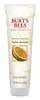
This oil-based cleanser is made to cleanse without leaving your skin tight or dry.
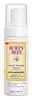
This foaming cleanser uses mild cleansing ingredients, but contains alcohol that may feel drying for some.

What's inside
What's inside
 Key Ingredients
Benefits
Concerns
Ingredients Side-by-side
Glycerin
Humectant


Olea Europaea Fruit Oil
Masking





Limonene
Perfuming

Avena Sativa Kernel Flour
Abrasive

Citrus Aurantium Dulcis Oil
Masking
Avena Sativa Kernel Oil
Skin Conditioning

Lanolin
Emollient
Aloe Barbadensis Leaf Juice
Skin Conditioning
Quillaja Saponaria Bark Extract
CleansingHelianthus Annuus Seed Oil
Emollient
Beta-Carotene
Skin ConditioningTocopherol
Antioxidant




Rosmarinus Officinalis Leaf Extract
AntimicrobialGlycine Soja Oil
Emollient
Canola Oil
Emollient
Citric Acid
Buffering
Potassium Sorbate
Preservative
Sodium Benzoate
Masking
Glycerin, Olea Europaea Fruit Oil, Limonene, Avena Sativa Kernel Flour, Citrus Aurantium Dulcis Oil, Avena Sativa Kernel Oil, Lanolin, Aloe Barbadensis Leaf Juice, Quillaja Saponaria Bark Extract, Helianthus Annuus Seed Oil, Beta-Carotene, Tocopherol, Rosmarinus Officinalis Leaf Extract, Glycine Soja Oil, Canola Oil, Citric Acid, Potassium Sorbate, Sodium Benzoate
Water
Skin ConditioningGlycerin
Humectant
Propanediol
Solvent
Coco-Betaine
Cleansing
Disodium Cocoyl Glutamate
Cleansing
Caprylyl/Capryl Glucoside
CleansingCoco-Glucoside
Cleansing
Glyceryl Oleate
Emollient
Lonicera Japonica Flower Extract
Skin ConditioningLonicera Caprifolium Flower Extract
Perfuming
Calendula Officinalis Flower Extract
Masking
Hydrastis Canadensis Extract
MaskingHamamelis Virginiana Leaf Extract
Skin Conditioning
Royal Jelly
Sodium PCA
Humectant
Citric Acid
Buffering
Sodium Chloride
MaskingSodium Cocoyl Glutamate
Cleansing
Sodium Phytate
ChelatingAlcohol
Antimicrobial
Tocopherol
Antioxidant
Hydrogenated Palm Glycerides Citrate
Emollient
Lecithin
Emollient
Ascorbyl Palmitate
Antioxidant
Parfum
Masking
Phenoxyethanol
Preservative
Benzyl Salicylate
Perfuming
Limonene
Perfuming
Linalool
Perfuming
Water, Glycerin, Propanediol, Coco-Betaine, Disodium Cocoyl Glutamate, Caprylyl/Capryl Glucoside, Coco-Glucoside, Glyceryl Oleate, Lonicera Japonica Flower Extract, Lonicera Caprifolium Flower Extract, Calendula Officinalis Flower Extract, Hydrastis Canadensis Extract, Hamamelis Virginiana Leaf Extract, Royal Jelly, Sodium PCA, Citric Acid, Sodium Chloride, Sodium Cocoyl Glutamate, Sodium Phytate, Alcohol, Tocopherol, Hydrogenated Palm Glycerides Citrate, Lecithin, Ascorbyl Palmitate, Parfum, Phenoxyethanol, Benzyl Salicylate, Limonene, Linalool
Ingredients Explained
These ingredients are found in both products.
Ingredients higher up in an ingredient list are typically present in a larger amount.
Citric Acid is an alpha hydroxy acid (AHA) naturally found in citrus fruits like oranges, lemons, and limes.
Like other AHAs, citric acid can exfoliate skin by breaking down the bonds that hold dead skin cells together. This helps reveal smoother and brighter skin underneath.
However, this exfoliating effect only happens at high concentrations (20%) which can be hard to find in cosmetic products.
Due to this, citric acid is usually included in small amounts as a pH adjuster. This helps keep products slightly more acidic and compatible with skin's natural pH.
In skincare formulas, citric acid can:
While it can provide some skin benefits, research shows lactic acid and glycolic acid are generally more effective and less irritating exfoliants.
Most citric acid used in skincare today is made by fermenting sugars (usually from molasses). This synthetic version is identical to the natural citrus form but easier to stabilize and use in formulations.
Rosacea skin has a lower threshold for acids generally, with 62.5% of rosacea subjects in one study reacting to lactic acid in a sting test. This is why we mark citric acid as a potential rosacea trigger.
However, this ingredient shows up as a pH adjuster or chelator at roughly 0.1-1% in many products. These low levels are unlikely to be an issue for rosacea skin and becomes a potential trigger at exfoliating concentrations (20%). Because everybody's skin is unique, we recommend a patch test if you are unsure.
Learn more about Citric AcidGlycerin (or glycerol) is a compound naturally found in your skin. It's a powerhouse humectant that pulls water into the stratum corneum.
Topically, glycerin does several things at once:
Your skin makes glycerin on its own (mostly from sebaceous oil breakdown) and shuttles it to your outermost layer of skin, or your epidermis, via aquaporin-3.
Aquaporin-3 is a transporter that is essential for normal skin hydration, elasticity, and repair. Interestingly, mice lacking in AQP3 have dry and less elastic skin that can be fully corrected with glycerin.
This ingredient is non-irritating, plays well with almost every ingredient, and works across all skin types. Typical use is anywhere between 3-10% but can go up to 79% in some leave-on products.
Just know very high concentrations (>40%) can feel tacky in low humidity.
Glycerin is the name for this ingredient in American English. British English uses Glycerol/Glycerine.
Learn more about GlycerinLimonene is the compound that gives citrus peel its smell.
In skincare, it shows up as a standalone fragrance ingredient or as a natural compound of citrus and other essential oils.
You'll typically see this ingredient used in very small amounts; anything above 0.001% in a leave-on product or 0.01% in a rinse-off has to be named on the label in the EU. The citrus oils that carry it sit around 0.5-1% in a finished formula.
Fresh limonene is a weak allergen; the real issue is that it slowly reacts with air and then breaks down from oxidation to create hydroperoxides (which are strong sensitizers). This is why suppliers are required to keep the peroxide value below 20 mmol.
Positive reactions in people being investigated for eczema vary:
It's worth skipping if you have a known fragrance allergy or a compromised barrier, but the risk is low for most people.
Older or long-opened products are also more likely to bother you than fresh ones due to oxidation.
Learn more about LimoneneTocopherol is a fat-soluble antioxidant known as Vitamin E.
You'll find this ingredient in the vast majority of skincare (for good reason). It works to neutralize free radicals, or unstable molecules generated by UV exposure, pollution, and other environmental stressors, before they can cause oxidative damage to your skin cells.
Topically applied tocopherol has been shown to protect against UV damage by ramping up the skin's own natural defense enzymes.
It also acts as a skin conditioning agent; some studies show that regular topical use can improve the skin's water-binding capacity over 2-4 weeks.
This ingredient is especially loved for being a team player. When combined with Vitamin C, the photoprotective effect of both ingredients roughly doubles and the combo also helps reduce UV-induced DNA damage.
This ingredient has some brightening potential but it's more of a prevention ingredient than spot-fader. Cell studies show it can slow down melanin production but it's worth noting that it's not the most powerful brightener out there.
In formulations, it also serves as a stabilizer that helps protect other oxidation-prone ingredients from degrading.
Concentrations usually range from 0.1-1% in most leave-on products.
Learn more about Tocopherol

