

What's inside
What's inside
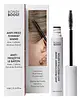 Key Ingredients
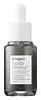
Benefits
Concerns
Ingredients Side-by-side
Aloe Barbadensis Leaf Juice
Skin Conditioning


Water
Skin ConditioningIsopentyldiol
Humectant
Propylene Glycol
Humectant

Glycerin
Humectant

Propanediol
Solvent
Vp/Va Copolymer
Caffeine
Skin Conditioning
Hydroxypropyl Guar Hydroxypropyltrimonium Chloride
Benzyl Alcohol
Perfuming





Vp/Methacrylamide/Vinyl Imidazole Copolymer
Polyglyceryl-10 Diisostearate
Emulsifying
Lactic Acid
Buffering





Cellulose Gum
Emulsion StabilisingSodium Benzoate
Masking
Potassium Sorbate
Preservative
Sodium Hyaluronate
Humectant
Bambusa Vulgaris Leaf Extract
Skin ConditioningCeratonia Siliqua Gum
EmollientChondrus Crispus Powder
Abrasive

Aesculus Hippocastanum Extract
Antioxidant
Citric Acid
Buffering
Citrus Limon Peel Extract
EmollientSaccharum Officinarum Extract
MoisturisingGlucose
Humectant
Yucca Schidigera Stem Extract
Cleansing
Malic Acid
Buffering
Phenoxyethanol
Preservative
Caprylyl Glycol
Emollient
Phenylpropanol
Masking
Tocopherol
Antioxidant
Sodium Hydroxide
BufferingAloe Barbadensis Leaf Juice, Water, Isopentyldiol, Propylene Glycol, Glycerin, Propanediol, Vp/Va Copolymer, Caffeine, Hydroxypropyl Guar Hydroxypropyltrimonium Chloride, Benzyl Alcohol, Vp/Methacrylamide/Vinyl Imidazole Copolymer, Polyglyceryl-10 Diisostearate, Lactic Acid, Cellulose Gum, Sodium Benzoate, Potassium Sorbate, Sodium Hyaluronate, Bambusa Vulgaris Leaf Extract, Ceratonia Siliqua Gum, Chondrus Crispus Powder, Aesculus Hippocastanum Extract, Citric Acid, Citrus Limon Peel Extract, Saccharum Officinarum Extract, Glucose, Yucca Schidigera Stem Extract, Malic Acid, Phenoxyethanol, Caprylyl Glycol, Phenylpropanol, Tocopherol, Sodium Hydroxide
Water
Skin ConditioningHamamelis Virginiana Water
Astringent
Aloe Barbadensis Leaf Juice
Skin Conditioning
Propanediol
Solvent
Glycerin
Humectant
Biotin
AntiseborrhoeicPanthenol
Skin Conditioning
Melaleuca Alternifolia Leaf Oil
Antioxidant


Charcoal Powder
Abrasive
Mentha Piperita Oil
Masking
Zingiber Officinale Root Oil
Masking
Menthyl Lactate
Masking
Saccharide Isomerate
Humectant
Sodium Hyaluronate
Humectant
Tocopheryl Acetate
Antioxidant
Citric Acid
Buffering
Helianthus Annuus Extract
Emollient
Heptyl Glucoside
SurfactantOryza Sativa Bran Extract
Skin Conditioning
Potassium Sorbate
Preservative
Rosmarinus Officinalis Leaf Extract
AntimicrobialSodium Hydroxide
BufferingTocopherol
Antioxidant
Xanthan Gum
EmulsifyingBenzoic Acid
Masking
Sodium Citrate
BufferingDehydroacetic Acid
Preservative
Benzyl Alcohol
Perfuming
Water, Hamamelis Virginiana Water, Aloe Barbadensis Leaf Juice, Propanediol, Glycerin, Biotin, Panthenol, Melaleuca Alternifolia Leaf Oil, Charcoal Powder, Mentha Piperita Oil, Zingiber Officinale Root Oil, Menthyl Lactate, Saccharide Isomerate, Sodium Hyaluronate, Tocopheryl Acetate, Citric Acid, Helianthus Annuus Extract, Heptyl Glucoside, Oryza Sativa Bran Extract, Potassium Sorbate, Rosmarinus Officinalis Leaf Extract, Sodium Hydroxide, Tocopherol, Xanthan Gum, Benzoic Acid, Sodium Citrate, Dehydroacetic Acid, Benzyl Alcohol
Ingredients Explained
These ingredients are found in both products.
Ingredients higher up in an ingredient list are typically present in a larger amount.
Aloe Barbadensis Leaf Juice is the filtered, stabilized liquid pressed from the inner gel of the aloe vera leaf.
In cosmetics, it shows up as either soothing active or a water-replacement base. It is roughly 98-99% water and the last 1-2% is an interesting mix of polysaccharides, amino acids, vitamins, minerals, and enzymes.
The polysaccharides do most of the work: they bind water at the skin surface for a light, non-greasy hydration boost. And one of the polysaccharides, glycomannan, is linked to fibroblast stimulation + collagen synthesis. This is also why aloe has such a long track record in wound and burn healing.
This ingredient is also calming with anti-inflammatory and mild antimicrobial activity, making it a great pick for sensitive, irritated, or post-sun skin.
Realistic expectations matter though; the solid evidence is mostly limited to hydration, soothing, and wound support. Deeper claims about anti-aging or sun protection are not well backed, and science reviews note it does not prevent radiation-induced skin injury.
Because it plays well with almost everything, it's commonly used as a base alongside other actives like niacinamide or vitamin C.
Typical usage concentrations range from 0.5% (where hydration benefits already show up) all the way to 90%+ (where it replaces water as the main base).
The safety for this ingredient is well-establish as well. Overall, this is a great supporting ingredient for those who want a boost in hydration.
Learn more about Aloe Barbadensis Leaf JuiceBenzyl Alcohol is an aromatic alcohol with several roles: it's a preservative, solvent, and mild fragrance component with a floral scent.
This ingredient has been deemed safe for use in cosmetic formulations at concentrations up to 5%, and up to 10% in hair dyes. You'll typically see 0.5-2% in most rinse-off or leave-on products.
As a preservative, it works by disrupting the membrane of microbial proteins. This helps keep bacteria and fungi from growing in your products.
The sensitization picture is actually quite assuring as well:of nearly 71,000 patients patch tested with benzyl alcohol, only 0.21% showed a positive reaction with most of them being weakly positive.
This led researchers to conclude that benzyl alcohol cannot be regarded as a significant contact allergen.
It is worth noting this ingredient is classified as one of the EU's regulated fragrance allergens and restricted to 1% in finished products.
Labels must also declare it in concentrations above 0.001% in leave-on products and 0.01% in rinse-off products.
At concentrations around 5%, localized redness and itching can appear as a direct irritant response and not as a true allergic reaction.
Learn more about Benzyl AlcoholCitric Acid is an alpha hydroxy acid (AHA) naturally found in citrus fruits like oranges, lemons, and limes.
Like other AHAs, citric acid can exfoliate skin by breaking down the bonds that hold dead skin cells together. This helps reveal smoother and brighter skin underneath.
However, this exfoliating effect only happens at high concentrations (20%) which can be hard to find in cosmetic products.
Due to this, citric acid is usually included in small amounts as a pH adjuster. This helps keep products slightly more acidic and compatible with skin's natural pH.
In skincare formulas, citric acid can:
While it can provide some skin benefits, research shows lactic acid and glycolic acid are generally more effective and less irritating exfoliants.
Most citric acid used in skincare today is made by fermenting sugars (usually from molasses). This synthetic version is identical to the natural citrus form but easier to stabilize and use in formulations.
Rosacea skin has a lower threshold for acids generally, with 62.5% of rosacea subjects in one study reacting to lactic acid in a sting test. This is why we mark citric acid as a potential rosacea trigger.
However, this ingredient shows up as a pH adjuster or chelator at roughly 0.1-1% in many products. These low levels are unlikely to be an issue for rosacea skin and becomes a potential trigger at exfoliating concentrations (20%). Because everybody's skin is unique, we recommend a patch test if you are unsure.
Learn more about Citric AcidGlycerin (or glycerol) is a compound naturally found in your skin. It's a powerhouse humectant that pulls water into the stratum corneum.
Topically, glycerin does several things at once:
Your skin makes glycerin on its own (mostly from sebaceous oil breakdown) and shuttles it to your outermost layer of skin, or your epidermis, via aquaporin-3.
Aquaporin-3 is a transporter that is essential for normal skin hydration, elasticity, and repair. Interestingly, mice lacking in AQP3 have dry and less elastic skin that can be fully corrected with glycerin.
This ingredient is non-irritating, plays well with almost every ingredient, and works across all skin types. Typical use is anywhere between 3-10% but can go up to 79% in some leave-on products.
Just know very high concentrations (>40%) can feel tacky in low humidity.
Glycerin is the name for this ingredient in American English. British English uses Glycerol/Glycerine.
Learn more about GlycerinPotassium Sorbate is a preservative used to prevent yeast and mold in products. It is commonly found in both cosmetic and food products.
This ingredient comes from potassium salt derived from sorbic acid. Sorbic acid is a natural antibiotic and effective against fungus.
Both potassium sorbate and sorbic acid can be found in baked goods, cheeses, dried meats, dried fruit, ice cream, pickles, wine, yogurt, and more.
You'll often find this ingredient used with other preservatives.
Learn more about Potassium SorbatePropanediol is an all-star ingredient. It softens, hydrates, and smooths the skin.
It’s often used to:
Propanediol is not likely to cause sensitivity and considered safe to use. It is derived from corn or petroleum with a clear color and no scent.
Learn more about PropanediolSodium Hyaluronate is the salt form of hyaluronic acid. It is a long sugar chain that is naturally found in your skin, joints, and connective tissue that maintains hydration and elasticity.
In skincare, it works as a humectant. It pulls water from the environment and deeper layers of skin and binds it to the surface.
Interestingly, the size of the molecule affects its behavior:
Some clinical evidence links low molecular weight versions to improved wrinkle depth, elasticity, anti-inflammatory effects, and barrier repair.
Many serums use a blend of both weights so you can get surface hydration plus longer-lasting and deeper effects.
You'll typically see concentrations between 0.1-2% for this ingredient.
Learn more about Sodium HyaluronateSodium Hydroxide is also known as lye or caustic soda. It is used to adjust the pH of products; many ingredients require a specific pH to be effective.
In small amounts, sodium hydroxide is considered safe to use. However, large amounts may cause chemical burns due to its high alkaline.
Your skin has a natural pH and acid mantle. This acid mantle helps prevent harmful bacteria from breaking through. The acid mantle also helps keep your skin hydrated.
"Alkaline" refers to a high pH level. A low pH level would be considered acidic.
Learn more about Sodium HydroxideTocopherol is a fat-soluble antioxidant known as Vitamin E.
You'll find this ingredient in the vast majority of skincare (for good reason). It works to neutralize free radicals, or unstable molecules generated by UV exposure, pollution, and other environmental stressors, before they can cause oxidative damage to your skin cells.
Topically applied tocopherol has been shown to protect against UV damage by ramping up the skin's own natural defense enzymes.
It also acts as a skin conditioning agent; some studies show that regular topical use can improve the skin's water-binding capacity over 2-4 weeks.
This ingredient is especially loved for being a team player. When combined with Vitamin C, the photoprotective effect of both ingredients roughly doubles and the combo also helps reduce UV-induced DNA damage.
This ingredient has some brightening potential but it's more of a prevention ingredient than spot-fader. Cell studies show it can slow down melanin production but it's worth noting that it's not the most powerful brightener out there.
In formulations, it also serves as a stabilizer that helps protect other oxidation-prone ingredients from degrading.
Concentrations usually range from 0.1-1% in most leave-on products.
Learn more about TocopherolWater. It's the most common cosmetic ingredient of all. You'll usually see it at the top of ingredient lists, meaning that it makes up the largest part of the product.
So why is it so popular? Water most often acts as a solvent - this means that it helps dissolve other ingredients into the formulation.
You'll also recognize water as that liquid we all need to stay alive. If you see this, drink a glass of water. Remember to stay hydrated!
Learn more about Water

