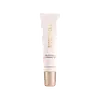
This anti-aging lip moisturizer is formulated around Squalane and Palmitoyl Tripeptide-1 to soften the look of wrinkles and hydrate lips.
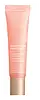
This barrier-repair lip moisturizer is formulated around Squalane and Ceramide NP to strengthen the lip barrier and hydrate lips.

What's inside
What's inside
 Key Ingredients
Benefits
Concerns
Ingredients Side-by-side
Bis-Diglyceryl Polyacyladipate-2
Emollient


Ricinus Communis Seed Oil
Masking

Dimer Dilinoleyl Dimer Dilinoleate
EmollientIsostearyl Isostearate
Emollient


Diisostearyl Malate
EmollientSorbitan Olivate
Emulsifying
Hydrogenated Castor Oil
Emollient
Squalane
Emollient

Jojoba Esters
Emollient
Glyceryl Caprate
EmollientEthylhexyl Palmitate
Emollient
Butyrospermum Parkii Butter
Skin Conditioning
Helianthus Annuus Seed Wax
Skin Conditioning
Tocopheryl Acetate
Antioxidant


Tribehenin
Emollient
Glycerin
Humectant
Water
Skin ConditioningEthyl Vanillin
MaskingGlyceryl Undecylenate
Emollient
Glyceryl Linoleate
Emollient
Sucrose Palmitate
EmollientSorbitan Isostearate
Emulsifying
Tocopherol
Antioxidant

Helianthus Annuus Seed Oil
Emollient
Palmitoyl Tripeptide-1
Skin Conditioning

Sodium Hyaluronate
Humectant
Bis-Diglyceryl Polyacyladipate-2, Ricinus Communis Seed Oil, Dimer Dilinoleyl Dimer Dilinoleate, Isostearyl Isostearate, Diisostearyl Malate, Sorbitan Olivate, Hydrogenated Castor Oil, Squalane, Jojoba Esters, Glyceryl Caprate, Ethylhexyl Palmitate, Butyrospermum Parkii Butter, Helianthus Annuus Seed Wax, Tocopheryl Acetate, Tribehenin, Glycerin, Water, Ethyl Vanillin, Glyceryl Undecylenate, Glyceryl Linoleate, Sucrose Palmitate, Sorbitan Isostearate, Tocopherol, Helianthus Annuus Seed Oil, Palmitoyl Tripeptide-1, Sodium Hyaluronate
Diisostearyl Malate
EmollientCapryloyl Glycerin/Sebacic Acid Copolymer
Skin ConditioningBis-Diglyceryl Polyacyladipate-2
Emollient
Glycerin
Humectant
Hydroxystearic/Linolenic/Oleic Polyglycerides
EmollientMyristic/Palmitic/Stearic/Ricinoleic/Eicosanedioic Glycerides
Skin ConditioningRicinus Communis Seed Oil
Masking
Squalane
Emollient
Water
Skin ConditioningRosa Damascena Flower Wax
MaskingCeramide NP
Skin Conditioning

Hydrolyzed Jojoba Esters
Skin Conditioning
Vitis Vinifera Seed Oil
Emollient
Undaria Pinnatifida Extract
Skin ConditioningCaprylic/Capric Triglyceride
Masking
Tetrahexyldecyl Ascorbate
Antioxidant

Sodium Hyaluronate
Humectant
Jojoba Esters
Emollient
Tocopherol
Antioxidant
Hydrogenated Castor Oil
Emollient
Glyceryl Caprylate
EmollientGlyceryl Undecylenate
Emollient
Dextrin Palmitate
Emulsifying
Diisostearyl Malate, Capryloyl Glycerin/Sebacic Acid Copolymer, Bis-Diglyceryl Polyacyladipate-2, Glycerin, Hydroxystearic/Linolenic/Oleic Polyglycerides, Myristic/Palmitic/Stearic/Ricinoleic/Eicosanedioic Glycerides, Ricinus Communis Seed Oil, Squalane, Water, Rosa Damascena Flower Wax, Ceramide NP, Hydrolyzed Jojoba Esters, Vitis Vinifera Seed Oil, Undaria Pinnatifida Extract, Caprylic/Capric Triglyceride, Tetrahexyldecyl Ascorbate, Sodium Hyaluronate, Jojoba Esters, Tocopherol, Hydrogenated Castor Oil, Glyceryl Caprylate, Glyceryl Undecylenate, Dextrin Palmitate
Reviews
Ingredients Explained
These ingredients are found in both products.
Ingredients higher up in an ingredient list are typically present in a larger amount.
Bis-Diglyceryl Polyacyladipate-2 is a synthetic emollient that works as a lanolin substitute.
This ingredient is a great vegan option for those avoiding animal-derived ingredients.
It mostly stays on the surface of skin where it helps hydrate due to its large molecular size and low water solubility.
Due to it being derived from fatty acids, this ingredient may not be Malassezia or fungal acne safe.
Learn more about Bis-Diglyceryl Polyacyladipate-2Diisostearyl Malate is an emollient and most often used in lip products. It comes from isostearyl alcohol, a fatty acid, and malic acid, an AHA.
As an emollient, Diisostearyl Malate helps create a thin film on your skin to trap moisture in. This helps keep your skin soft and smooth.
Glycerin (or glycerol) is a compound naturally found in your skin. It's a powerhouse humectant that pulls water into the stratum corneum.
Topically, glycerin does several things at once:
Your skin makes glycerin on its own (mostly from sebaceous oil breakdown) and shuttles it to your outermost layer of skin, or your epidermis, via aquaporin-3.
Aquaporin-3 is a transporter that is essential for normal skin hydration, elasticity, and repair. Interestingly, mice lacking in AQP3 have dry and less elastic skin that can be fully corrected with glycerin.
This ingredient is non-irritating, plays well with almost every ingredient, and works across all skin types. Typical use is anywhere between 3-10% but can go up to 79% in some leave-on products.
Just know very high concentrations (>40%) can feel tacky in low humidity.
Glycerin is the name for this ingredient in American English. British English uses Glycerol/Glycerine.
Learn more about GlycerinGlyceryl Undecylenate is a gentle ester made by joining glycerin and undecylenic acid (a fatty acid pulled from castor oil).
In formulations, it pulls double duty as a skin-conditioning emollient and mild preservative.
The glycerin side attracts and binds water to support skin hydration and the undeclyenic acid side adds a bit of broad-spectrum antimicrobial activity.
Undecylenic acid inhibits the formation of fungal biofilm and the branching filaments that let fungi spread.
Typical use concentrations range from 0.1-5%, but it is generally used on the lower end and paired with other mild preservative boosters like caprylyl glycol.
On the fungal acne front:
This ingredient is described in the patent literature as a Malassezia-active ingredient used to treat an excess of Malassezia on the skin (Malassezia is actually a yeast and not fungal).
Though it leans anti-fungal, the leftover Malassezia yeast may feed on the Undecylenic Acid portion of this ingredient. Just know this ingredient may not be a trigger for everyone.
Learn more about Glyceryl UndecylenateHydrogenated Castor Oil (aka "castor wax") is what you get when castor oil is turned into a wax.
Its dominant fatty acid is ricinoleic acid, giving it both emollient and mild humectant properties.
According to EU CosIng, this ingredient helps soften skin, keep oil and water stay mixed, and thickens products.
Hydrogenated castor oil at 30% did not trigger a positive patch-test reaction and is well-tolerated.
Since this ingredient is based on an 18-carbon fatty acid, it falls into the chain-length range that Malassezia can feed on and may not be fungal acne safe.
Learn more about Hydrogenated Castor OilJojoba Esters is a wax created from Jojoba oil. It is an emollient and film-forming ingredient. In bead form, it is an exfoliator.
This ingredient has high oxidative stability, meaning it doesn't break down when exposed to oxygen.
Its similarity to our skin's natural oils makes it a great emollient. Emollients help soften and soothe our skin by creating a barrier on top. This barrier helps trap moisture in, keeping skin hydrated.
It is created using either the hydrogenation or transesterification processes on jojoba oil.
Learn more about Jojoba EstersThis ingredient is also known as castor oil. It is a skin conditioning ingredient.
The star component of castor oil is ricinoleic acid, an unusual fatty acid that makes up ~80-92% of its composition.
In skincare, it is an emollient that dries down to a solid film with water-binding properties. This helps keep skin hydrated and helps reduce transepidermal water loss (TEWL).
A 2026 dermatology review pulls together its broader uses:
Human clinical testing found this ingredient to be non-irritating and non-sensitizing.
Because castor oil contains fatty acids in the C11-24 range, this ingredient may not be fungal acne safe.
At this time, the literature does not support castor oil in regrowing hair. A 2022 systematic review found no strong evidence that it supports hair growth and only weak evidence that it improves hair shine.
Castor oil itself carries "perfuming" and "masking" function tags according to the official CosIng database. This is because of its mild odor and odor-dampening properties.
Learn more about Ricinus Communis Seed OilSodium Hyaluronate is the salt form of hyaluronic acid. It is a long sugar chain that is naturally found in your skin, joints, and connective tissue that maintains hydration and elasticity.
In skincare, it works as a humectant. It pulls water from the environment and deeper layers of skin and binds it to the surface.
Interestingly, the size of the molecule affects its behavior:
Some clinical evidence links low molecular weight versions to improved wrinkle depth, elasticity, anti-inflammatory effects, and barrier repair.
Many serums use a blend of both weights so you can get surface hydration plus longer-lasting and deeper effects.
You'll typically see concentrations between 0.1-2% for this ingredient.
Learn more about Sodium HyaluronateSqualane is the hydrogenated and shelf-stable form of squalene (a lipid that naturally occurs in human sebum).
It is an emollient and skin conditioning agent that is able to integrate seamlessly into the skin's lipid barrier without clogging pores.
This is due to how structurally similar it is to what your skin already produces.
Though it is mostly an emollient that helps soften and hydrate skin, it also has some humectant and occlusive action. Humectants help the skin retain moisture while occlusives seal it in, making squalane a triple-threat moisturizer.
Research shows it has antioxidant capabilities that help protect against stressors like UV exposure, specifically UVA induced oxidative stress. This study also found that it supports collagen biosynthesis in human dermal fibroblasts.
No clinical study has reported significant adverse effects and irritation reactions are very rare from this ingredient (even at 100% concentration).
Overall, it's a fantastic ingredient for hydration and is suitable for all skin types.
This depends on the source. Squalane can be derived from both plants and animals. Most squalane used in skincare comes from plants.
Please note: the source of squalane is only known if disclosed by the brand. We recommend reaching out to the brand if you have any questions about their squalane.
Read more about squalene with an "e".
Though squalane is often called an oil, it’s technically not one. It is a hydrocarbon, meaning it is only made of carbon and hydrogen. True oils are triglycerides and made of fatty acids and glycerol.
The term “oil-free” isn’t regulated so companies can define it however they want. Some exclude all oils, while others just avoid mineral oil or comedogenic oils.
Squalane has a comedogenic rating of 1 from the original 1972 study that tested raw ingredients under occlusion on rabbit ears. This system is not standardized or peer-reviewed, and using the raw ingredients is very different from how diluted cosmetic formulations are used on human skin.
A comedogenic rating of 1 means it is "unlikely to clog pores" according to the original rating system.
The overall formula of a product matters more than the individual ingredients on whether or not it will cause clogged pores.
Learn more about SqualaneTocopherol is a fat-soluble antioxidant known as Vitamin E.
You'll find this ingredient in the vast majority of skincare (for good reason). It works to neutralize free radicals, or unstable molecules generated by UV exposure, pollution, and other environmental stressors, before they can cause oxidative damage to your skin cells.
Topically applied tocopherol has been shown to protect against UV damage by ramping up the skin's own natural defense enzymes.
It also acts as a skin conditioning agent; some studies show that regular topical use can improve the skin's water-binding capacity over 2-4 weeks.
This ingredient is especially loved for being a team player. When combined with Vitamin C, the photoprotective effect of both ingredients roughly doubles and the combo also helps reduce UV-induced DNA damage.
This ingredient has some brightening potential but it's more of a prevention ingredient than spot-fader. Cell studies show it can slow down melanin production but it's worth noting that it's not the most powerful brightener out there.
In formulations, it also serves as a stabilizer that helps protect other oxidation-prone ingredients from degrading.
Concentrations usually range from 0.1-1% in most leave-on products.
Learn more about TocopherolWater. It's the most common cosmetic ingredient of all. You'll usually see it at the top of ingredient lists, meaning that it makes up the largest part of the product.
So why is it so popular? Water most often acts as a solvent - this means that it helps dissolve other ingredients into the formulation.
You'll also recognize water as that liquid we all need to stay alive. If you see this, drink a glass of water. Remember to stay hydrated!
Learn more about Water

