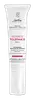
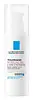
BioNike Defence Tolerance AR+ Intensive Anti-Redness Treatment Versus La Roche-Posay Toleriane Rosaliac AR Concentrate
This calming treatment is formulated around Niacinamide and Squalane to calm redness and strengthen the skin barrier.
This calming moisturizer is formulated around Sphingomonas Ferment Extract and Acetyl Dipeptide-1 Cetyl Ester to calm redness.


What's inside
What's inside
 Key Ingredients
Benefits
Concerns
Ingredients Side-by-side
Water
Skin Conditioning1,5-Pentanediol
SolventGlycerin
Humectant


Butylene Glycol
Humectant
Isononyl Isononanoate
EmollientSqualane
Emollient
Niacinamide
Smoothing








Dicaprylyl Carbonate
EmollientPropanediol
Solvent
PEG/PPG-18/18 Dimethicone
Emulsifying
Carnosine
Skin Conditioning
Sodium Carboxymethyl Beta-Glucan
CleansingCaprylyl Glycol
Emollient
1,2-Hexanediol
Skin Conditioning
Carbomer
Emulsion StabilisingSodium Polyacrylate
Absorbent
Acrylates/C10-30 Alkyl Acrylate Crosspolymer
Emulsion StabilisingSodium Acrylates Copolymer
Hydrogenated Polydecene
EmollientSodium Hydroxide
BufferingPentylene Glycol
Skin Conditioning
Piperonyl Glucoside
Skin ProtectingHelianthus Annuus Seed Oil
Emollient


Polyglyceryl-10 Stearate
Skin Conditioning
Sodium Hyaluronate
Humectant
Palmitoyl Tripeptide-8
Skin Conditioning
Phospholipids
Skin Conditioning
Dextran
Tocopherol
Antioxidant

Trisodium Ethylenediamine Disuccinate
ChelatingWater, 1,5-Pentanediol, Glycerin, Butylene Glycol, Isononyl Isononanoate, Squalane, Niacinamide, Dicaprylyl Carbonate, Propanediol, PEG/PPG-18/18 Dimethicone, Carnosine, Sodium Carboxymethyl Beta-Glucan, Caprylyl Glycol, 1,2-Hexanediol, Carbomer, Sodium Polyacrylate, Acrylates/C10-30 Alkyl Acrylate Crosspolymer, Sodium Acrylates Copolymer, Hydrogenated Polydecene, Sodium Hydroxide, Pentylene Glycol, Piperonyl Glucoside, Helianthus Annuus Seed Oil, Polyglyceryl-10 Stearate, Sodium Hyaluronate, Palmitoyl Tripeptide-8, Phospholipids, Dextran, Tocopherol, Trisodium Ethylenediamine Disuccinate
Water
Skin ConditioningGlycerin
Humectant
Isostearyl Neopentanoate
Emollient

Butylene Glycol
Humectant
Boron Nitride
Absorbent
Butyrospermum Parkii Butter
Skin Conditioning
CI 77891
Cosmetic ColorantPentylene Glycol
Skin Conditioning
Hydrogenated Coco-Glycerides
Emollient
Polysorbate 20
Emulsifying
Zea Mays Starch
Absorbent
Schisandra Sphenanthera Fruit Extract
Antioxidant
Tin Oxide
Abrasive
Sorbitan Oleate
Emulsifying
Glyceryl Acrylate/Acrylic Acid Copolymer
HumectantGlyceryl Stearate Citrate
Emollient
Isohexadecane
EmollientSphingomonas Ferment Extract
Skin Conditioning
Silica
Abrasive
Aluminum Hydroxide
EmollientMannitol
Humectant
Ammonium Polyacryloyldimethyl Taurate
Emulsion StabilisingHydrogenated Lecithin
Emulsifying
Caprylyl Glycol
Emollient
Citric Acid
Buffering
Trisodium Ethylenediamine Disuccinate
ChelatingAcetyl Dipeptide-1 Cetyl Ester
Skin Conditioning
Maltodextrin
Absorbent
Polysorbate 80
Emulsifying
Acrylamide/Sodium Acryloyldimethyltaurate Copolymer
Emulsion StabilisingMica
Cosmetic ColorantCI 77288
Cosmetic ColorantCI 77491
Cosmetic ColorantCI 77492
Cosmetic ColorantCI 77499
Cosmetic ColorantWater, Glycerin, Isostearyl Neopentanoate, Butylene Glycol, Boron Nitride, Butyrospermum Parkii Butter, CI 77891, Pentylene Glycol, Hydrogenated Coco-Glycerides, Polysorbate 20, Zea Mays Starch, Schisandra Sphenanthera Fruit Extract, Tin Oxide, Sorbitan Oleate, Glyceryl Acrylate/Acrylic Acid Copolymer, Glyceryl Stearate Citrate, Isohexadecane, Sphingomonas Ferment Extract, Silica, Aluminum Hydroxide, Mannitol, Ammonium Polyacryloyldimethyl Taurate, Hydrogenated Lecithin, Caprylyl Glycol, Citric Acid, Trisodium Ethylenediamine Disuccinate, Acetyl Dipeptide-1 Cetyl Ester, Maltodextrin, Polysorbate 80, Acrylamide/Sodium Acryloyldimethyltaurate Copolymer, Mica, CI 77288, CI 77491, CI 77492, CI 77499
Reviews
Ingredients Explained
These ingredients are found in both products.
Ingredients higher up in an ingredient list are typically present in a larger amount.
Butylene Glycol (or BG) is used within cosmetic products for a few different reasons:
Overall, Butylene Glycol is a safe and well-rounded ingredient that works well with other ingredients.
Though this ingredient works well with most skin types, some people with sensitive skin may experience a reaction such as allergic rashes, closed comedones, or itchiness.
Learn more about Butylene GlycolCaprylyl Glycol is a humectant, skin conditioner, emollient, and preservative booster derived from either caprylic acid or synthetically created.
Typical use levels vary from 0.3-1% as a preservative booster and go up to 2% to condition skin.
Because it is not a free-fatty acid, this ingredient is fungal acne safe (there's nothing for Malassezia to feed on).
Learn more about Caprylyl GlycolGlycerin (or glycerol) is a compound naturally found in your skin. It's a powerhouse humectant that pulls water into the stratum corneum.
Topically, glycerin does several things at once:
Your skin makes glycerin on its own (mostly from sebaceous oil breakdown) and shuttles it to your outermost layer of skin, or your epidermis, via aquaporin-3.
Aquaporin-3 is a transporter that is essential for normal skin hydration, elasticity, and repair. Interestingly, mice lacking in AQP3 have dry and less elastic skin that can be fully corrected with glycerin.
This ingredient is non-irritating, plays well with almost every ingredient, and works across all skin types. Typical use is anywhere between 3-10% but can go up to 79% in some leave-on products.
Just know very high concentrations (>40%) can feel tacky in low humidity.
Glycerin is the name for this ingredient in American English. British English uses Glycerol/Glycerine.
Learn more about GlycerinPentylene Glycol (1,2-pentanediol) is a multitasking little diol with three main roles in a formula:
Research on alkanediols (the family pentylene glycol belongs to) show they work by disrupting microbial cell membranes. This disruption helps the primary preservative system in a product work more effectively at lower doses.
On the safety side, the Cosmetic Ingredient Review Expert Panel has concluded this ingredient to be safe as used in current cosmetic practices + concentrations.
Typical use levels in a formula run about 1-5%.
Learn more about Pentylene GlycolTrisodium Ethylenediamine Disuccinate is used to help stabilize a product.
It is a chelating agent, meaning it helps prevent metal ions from binding to other ingredients. This prevents unwanted reactions in products. Metal ions can come into a product via the water ingredient. They are found in trace amounts and are not known to be harmful.
Water. It's the most common cosmetic ingredient of all. You'll usually see it at the top of ingredient lists, meaning that it makes up the largest part of the product.
So why is it so popular? Water most often acts as a solvent - this means that it helps dissolve other ingredients into the formulation.
You'll also recognize water as that liquid we all need to stay alive. If you see this, drink a glass of water. Remember to stay hydrated!
Learn more about Water


