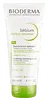
This mild cream cleanser is made to cleanse without leaving your skin tight or dry.
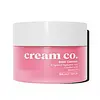
This oil-based makeup remover is made to dissolve makeup, sunscreen, and daily buildup.


What's inside
What's inside
 Key Ingredients
Benefits
Concerns
Ingredients Side-by-side
Water
Skin ConditioningCaprylyl/Capryl Glucoside
CleansingButyrospermum Parkii Oil
Emollient



Glycerin
Humectant

Methylpropanediol
SolventDisodium Cocoyl Glutamate
Cleansing
Citric Acid
Buffering

Pentylene Glycol
Skin Conditioning
Sclerotium Gum
Emulsion StabilisingXanthan Gum
EmulsifyingCaprylyl Glycol
Emollient
Propanediol
Solvent
Sodium Citrate
BufferingMannitol
Humectant
Saccharide Isomerate
Humectant
Xylitol
Humectant
Benzotriazolyl Dodecyl P-Cresol
UV AbsorberRhamnose
HumectantTocopherol
Antioxidant



Helianthus Annuus Seed Oil
Emollient
Aminoethanesulfinic Acid
Antioxidant
Sodium Metabisulfite
Antioxidant
Parfum
Masking



Water, Caprylyl/Capryl Glucoside, Butyrospermum Parkii Oil, Glycerin, Methylpropanediol, Disodium Cocoyl Glutamate, Citric Acid, Pentylene Glycol, Sclerotium Gum, Xanthan Gum, Caprylyl Glycol, Propanediol, Sodium Citrate, Mannitol, Saccharide Isomerate, Xylitol, Benzotriazolyl Dodecyl P-Cresol, Rhamnose, Tocopherol, Helianthus Annuus Seed Oil, Aminoethanesulfinic Acid, Sodium Metabisulfite, Parfum
Ethylhexyl Palmitate
Emollient

Sorbeth-30 Tetraoleate
Emulsifying
Cetyl Ethylhexanoate
EmollientWater
Skin ConditioningOzokerite
Emulsion StabilisingHelianthus Annuus Seed Oil
Emollient
Isopentyldiol
Humectant
C12-13 Pareth-9
EmulsifyingOryza Sativa Bran Oil
Emollient
Pentylene Glycol
Skin Conditioning
Caprylyl Glycol
Emollient
Simmondsia Chinensis Seed Oil
Emollient
Vitis Vinifera Seed Oil
Emollient
Rosa Canina Fruit Oil
Emollient
Adansonia Digitata Seed Oil
Emollient
Rubus Chamaemorus Seed Oil
Skin Conditioning
Ethylhexylglycerin
Skin ConditioningPropanediol
Solvent
Hydrolyzed Glycosaminoglycans
HumectantGlycerin
Humectant
Sodium Hyaluronate
Humectant
Hydrolyzed Hyaluronic Acid
Humectant
Hyaluronic Acid
Humectant
Sodium Hyaluronate Crosspolymer
Humectant
Ethylhexyl Palmitate, Sorbeth-30 Tetraoleate, Cetyl Ethylhexanoate, Water, Ozokerite, Helianthus Annuus Seed Oil, Isopentyldiol, C12-13 Pareth-9, Oryza Sativa Bran Oil, Pentylene Glycol, Caprylyl Glycol, Simmondsia Chinensis Seed Oil, Vitis Vinifera Seed Oil, Rosa Canina Fruit Oil, Adansonia Digitata Seed Oil, Rubus Chamaemorus Seed Oil, Ethylhexylglycerin, Propanediol, Hydrolyzed Glycosaminoglycans, Glycerin, Sodium Hyaluronate, Hydrolyzed Hyaluronic Acid, Hyaluronic Acid, Sodium Hyaluronate Crosspolymer
Reviews
Ingredients Explained
These ingredients are found in both products.
Ingredients higher up in an ingredient list are typically present in a larger amount.
Caprylyl Glycol is a humectant, skin conditioner, emollient, and preservative booster derived from either caprylic acid or synthetically created.
Typical use levels vary from 0.3-1% as a preservative booster and go up to 2% to condition skin.
Because it is not a free-fatty acid, this ingredient is fungal acne safe (there's nothing for Malassezia to feed on).
Learn more about Caprylyl GlycolGlycerin (or glycerol) is a compound naturally found in your skin. It's a powerhouse humectant that pulls water into the stratum corneum.
Topically, glycerin does several things at once:
Your skin makes glycerin on its own (mostly from sebaceous oil breakdown) and shuttles it to your outermost layer of skin, or your epidermis, via aquaporin-3.
Aquaporin-3 is a transporter that is essential for normal skin hydration, elasticity, and repair. Interestingly, mice lacking in AQP3 have dry and less elastic skin that can be fully corrected with glycerin.
This ingredient is non-irritating, plays well with almost every ingredient, and works across all skin types. Typical use is anywhere between 3-10% but can go up to 79% in some leave-on products.
Just know very high concentrations (>40%) can feel tacky in low humidity.
Glycerin is the name for this ingredient in American English. British English uses Glycerol/Glycerine.
Learn more about GlycerinHelianthus Annuus Seed Oil is a plant oil derived from the seeds of a sunflower.
It is rich in fatty acids, primarily linoleic acid and oleic acid. This gives it emollient and skin conditioning properties.
The reason this ingredient is so effective is because it forms a thin film on the skin that reduces transepidermal water loss (TEWL) while supplying linoleic acid to the stratum corneum to improve barrier strength.
The high linoleic acid content is particularly noteworthy for acne-prone skin.
Research suggests that acne-prone skin tends to be deficient in linoleic acid in sebum. Topical application may help replenish this to support a healthier follicular environment and less comedone-promoting sebum.
One randomized study found sunflower seed oil preserved skin barrier integrity in adult volunteers with and without atopic dermatitis (outperforming olive oil).
This ingredient is well-studied, gentle, and an effective emollient suitable for most skin types.
On fungal acne: This ingredient may not be Fungal acne (Malassezia folliculitis) safe. This is because it contains fatty acids with carbon chain lengths in the C11-C24 range.
Learn more about Helianthus Annuus Seed OilPentylene Glycol (1,2-pentanediol) is a multitasking little diol with three main roles in a formula:
Research on alkanediols (the family pentylene glycol belongs to) show they work by disrupting microbial cell membranes. This disruption helps the primary preservative system in a product work more effectively at lower doses.
On the safety side, the Cosmetic Ingredient Review Expert Panel has concluded this ingredient to be safe as used in current cosmetic practices + concentrations.
Typical use levels in a formula run about 1-5%.
Learn more about Pentylene GlycolPropanediol is an all-star ingredient. It softens, hydrates, and smooths the skin.
It’s often used to:
Propanediol is not likely to cause sensitivity and considered safe to use. It is derived from corn or petroleum with a clear color and no scent.
Learn more about PropanediolWater. It's the most common cosmetic ingredient of all. You'll usually see it at the top of ingredient lists, meaning that it makes up the largest part of the product.
So why is it so popular? Water most often acts as a solvent - this means that it helps dissolve other ingredients into the formulation.
You'll also recognize water as that liquid we all need to stay alive. If you see this, drink a glass of water. Remember to stay hydrated!
Learn more about Water

