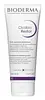
This barrier-repair moisturizer is formulated around Butyrospermum Parkii Oil and Panthenol to strengthen the skin barrier and calm redness.
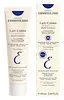
This barrier-repair moisturizer is formulated around Caprylic/Capric Triglyceride and Butyrospermum Parkii Butter to strengthen the skin barrier and hydrate skin.

What's inside
What's inside
 Key Ingredients
Benefits
Concerns
Ingredients Side-by-side
Water
Skin ConditioningButyrospermum Parkii Oil
Emollient



Glycerin
Humectant

Panthenol
Skin Conditioning

Butylene Glycol
Humectant
Behenyl Alcohol
Emollient
Hydrogenated Castor Oil
Emollient
Propanediol
Solvent
Jojoba Esters
Emollient
Capryloyl Glycine
CleansingSqualane
Emollient
Sucrose Stearate
EmollientHelianthus Annuus Seed Wax
Skin Conditioning
Pentylene Glycol
Skin Conditioning
Sodium Citrate
BufferingSucrose Laurate
Emollient
Sodium Polyacrylate
Absorbent
Polyacrylate Crosspolymer-6
Emulsion StabilisingXanthan Gum
EmulsifyingSodium Hydroxide
BufferingPolyglycerin-3
Humectant
Mannitol
Humectant
Sodium Hyaluronate
Humectant
Xylitol
Humectant
Rhamnose
HumectantAcetyl Dipeptide-1 Cetyl Ester
Skin Conditioning
Acacia Decurrens Flower Wax
Emollient
Water, Butyrospermum Parkii Oil, Glycerin, Panthenol, Butylene Glycol, Behenyl Alcohol, Hydrogenated Castor Oil, Propanediol, Jojoba Esters, Capryloyl Glycine, Squalane, Sucrose Stearate, Helianthus Annuus Seed Wax, Pentylene Glycol, Sodium Citrate, Sucrose Laurate, Sodium Polyacrylate, Polyacrylate Crosspolymer-6, Xanthan Gum, Sodium Hydroxide, Polyglycerin-3, Mannitol, Sodium Hyaluronate, Xylitol, Rhamnose, Acetyl Dipeptide-1 Cetyl Ester, Acacia Decurrens Flower Wax
Water
Skin ConditioningCaprylic/Capric Triglyceride
Masking
Glycerin
Humectant
Octyldodecanol
Emollient
Polyglyceryl-3 Methylglucose Distearate
Emulsifying
Butyrospermum Parkii Butter
Skin Conditioning


Cera Alba
Emollient
Jojoba Esters
Emollient
Helianthus Annuus Seed Wax
Skin Conditioning
Glyceryl Stearate
Emollient
Xanthan Gum
Emulsifying1,2-Hexanediol
Skin Conditioning
Caprylyl Glycol
Emollient
Sodium Hydroxide
BufferingAcrylates/C10-30 Alkyl Acrylate Crosspolymer
Emulsion StabilisingPolyglycerin-3
Humectant
Acacia Decurrens Flower Wax
Emollient
Aloe Barbadensis Leaf Juice Powder
Skin Conditioning
Tocopherol
Antioxidant



Tropolone
Skin ConditioningGlycine Soja Oil
Emollient
Hydrolyzed Soy Protein
Humectant
Water, Caprylic/Capric Triglyceride, Glycerin, Octyldodecanol, Polyglyceryl-3 Methylglucose Distearate, Butyrospermum Parkii Butter, Cera Alba, Jojoba Esters, Helianthus Annuus Seed Wax, Glyceryl Stearate, Xanthan Gum, 1,2-Hexanediol, Caprylyl Glycol, Sodium Hydroxide, Acrylates/C10-30 Alkyl Acrylate Crosspolymer, Polyglycerin-3, Acacia Decurrens Flower Wax, Aloe Barbadensis Leaf Juice Powder, Tocopherol, Tropolone, Glycine Soja Oil, Hydrolyzed Soy Protein
Reviews
Ingredients Explained
These ingredients are found in both products.
Ingredients higher up in an ingredient list are typically present in a larger amount.
Also known as mimosa wax, this ingredient is a plant-derived wax from the flowers of the Acacia decurrens tree.
The wax has a profile that gives it skin benefits, including lipids that offer a skin conditioning effect. In a formula, it forms a breathable film on the skin's surface that reduces water loss, lock in moisture, and soften the skin.
One manufacturer study using a trade blend (jojoba esters + sunflower seed wax + this ingredient + polyglycerin 3) found it to perform equal to or better than lanolin in skin hydration.
On its own, typical usage concentrations run from 0.5-10% with 1-5% the most common in creams and up to 10% in lip balms.
Learn more about Acacia Decurrens Flower WaxGlycerin (or glycerol) is a compound naturally found in your skin. It's a powerhouse humectant that pulls water into the stratum corneum.
Topically, glycerin does several things at once:
Your skin makes glycerin on its own (mostly from sebaceous oil breakdown) and shuttles it to your outermost layer of skin, or your epidermis, via aquaporin-3.
Aquaporin-3 is a transporter that is essential for normal skin hydration, elasticity, and repair. Interestingly, mice lacking in AQP3 have dry and less elastic skin that can be fully corrected with glycerin.
This ingredient is non-irritating, plays well with almost every ingredient, and works across all skin types. Typical use is anywhere between 3-10% but can go up to 79% in some leave-on products.
Just know very high concentrations (>40%) can feel tacky in low humidity.
Glycerin is the name for this ingredient in American English. British English uses Glycerol/Glycerine.
Learn more about GlycerinHelianthus Annuus Seed Wax is created from the common sunflower.
Sunflower seed wax is made up of long chain non-glyceride esters, a small amount of fatty alcohols, and fatty acids.
This ingredient is often used to enhance the texture of products. The fatty acid properties also help hydrate the skin.
Learn more about Helianthus Annuus Seed WaxJojoba Esters is a wax created from Jojoba oil. It is an emollient and film-forming ingredient. In bead form, it is an exfoliator.
This ingredient has high oxidative stability, meaning it doesn't break down when exposed to oxygen.
Its similarity to our skin's natural oils makes it a great emollient. Emollients help soften and soothe our skin by creating a barrier on top. This barrier helps trap moisture in, keeping skin hydrated.
It is created using either the hydrogenation or transesterification processes on jojoba oil.
Learn more about Jojoba EstersPolyglycerin-3 is a 3-unit glycerin polymer.
Like glycerin, this ingredient is a humectant. Humectants help hydrate your skin by drawing water to it.
Having moisturized skin helps improve the skin barrier. Your skin barrier helps protect against irritants and bacteria.
Learn more about Polyglycerin-3Sodium Hydroxide is also known as lye or caustic soda. It is used to adjust the pH of products; many ingredients require a specific pH to be effective.
In small amounts, sodium hydroxide is considered safe to use. However, large amounts may cause chemical burns due to its high alkaline.
Your skin has a natural pH and acid mantle. This acid mantle helps prevent harmful bacteria from breaking through. The acid mantle also helps keep your skin hydrated.
"Alkaline" refers to a high pH level. A low pH level would be considered acidic.
Learn more about Sodium HydroxideWater. It's the most common cosmetic ingredient of all. You'll usually see it at the top of ingredient lists, meaning that it makes up the largest part of the product.
So why is it so popular? Water most often acts as a solvent - this means that it helps dissolve other ingredients into the formulation.
You'll also recognize water as that liquid we all need to stay alive. If you see this, drink a glass of water. Remember to stay hydrated!
Learn more about WaterXanthan gum is used as a stabilizer and thickener within cosmetic products. It helps give products a sticky, thick feeling - preventing them from being too runny.
On the technical side of things, xanthan gum is a polysaccharide - a combination consisting of multiple sugar molecules bonded together.
Xanthan gum is a pretty common and great ingredient. It is a natural, non-toxic, non-irritating ingredient that is also commonly used in food products.
Learn more about Xanthan Gum

