
What's inside
What's inside
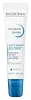 Key Ingredients
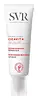
Benefits
Concerns
Ingredients Side-by-side
Paraffinum Liquidum
Emollient

Cera Microcristallina
Emulsion StabilisingCyclopentasiloxane
Emollient
Hydrogenated Polyisobutene
EmollientCaprylic/Capric Triglyceride
Masking


Butyrospermum Parkii Butter
Skin Conditioning

Paraffin
Skin ConditioningCyclohexasiloxane
Emollient
Glycine Soja Oil
Emollient

Glycine Soja Sterols
Emollient
Hexyl Laurate
Emollient
Ethylene/Propylene/Styrene Copolymer
Stearalkonium Hectorite
Gel FormingPersea Gratissima Oil
Skin Conditioning
Propylene Carbonate
SolventCetearyl Alcohol
Emollient
Ascorbyl Palmitate
Antioxidant



Butylene/Ethylene/Styrene Copolymer
Hydrogenated Palm Glycerides Citrate
Emollient
Tocopherol
Antioxidant


BHT
Antioxidant
Laminaria Ochroleuca Extract
Skin Conditioning
Citric Acid
Buffering

Paraffinum Liquidum, Cera Microcristallina, Cyclopentasiloxane, Hydrogenated Polyisobutene, Caprylic/Capric Triglyceride, Butyrospermum Parkii Butter, Paraffin, Cyclohexasiloxane, Glycine Soja Oil, Glycine Soja Sterols, Hexyl Laurate, Ethylene/Propylene/Styrene Copolymer, Stearalkonium Hectorite, Persea Gratissima Oil, Propylene Carbonate, Cetearyl Alcohol, Ascorbyl Palmitate, Butylene/Ethylene/Styrene Copolymer, Hydrogenated Palm Glycerides Citrate, Tocopherol, BHT, Laminaria Ochroleuca Extract, Citric Acid
Ricinus Communis Seed Oil
Masking
Prunus Amygdalus Dulcis Oil
Skin Conditioning
Cocos Nucifera Oil
Masking
Butyrospermum Parkii Butter
Skin Conditioning
Hydrogenated Castor Oil
Emollient
Oleic/Linoleic/Linolenic Polyglycerides
Emollient
Glycerin
Humectant
Cera Alba
Emollient
Helianthus Annuus Seed Oil
Emollient
Water
Skin ConditioningHydrogenated Vegetable Oil
Emollient
Alpha-Glucan Oligosaccharide
Cleansing
Propanediol
Solvent
Tocopheryl Acetate
Antioxidant
Disodium Acetyl Glucosamine Phosphate
Skin ConditioningCaffeyl Glucoside
Antioxidant
Rhamnose
HumectantGlucose
Humectant
Glucuronic Acid
Buffering
Citric Acid
Buffering
Ricinus Communis Seed Oil, Prunus Amygdalus Dulcis Oil, Cocos Nucifera Oil, Butyrospermum Parkii Butter, Hydrogenated Castor Oil, Oleic/Linoleic/Linolenic Polyglycerides, Glycerin, Cera Alba, Helianthus Annuus Seed Oil, Water, Hydrogenated Vegetable Oil, Alpha-Glucan Oligosaccharide, Propanediol, Tocopheryl Acetate, Disodium Acetyl Glucosamine Phosphate, Caffeyl Glucoside, Rhamnose, Glucose, Glucuronic Acid, Citric Acid
Reviews
Ingredients Explained
These ingredients are found in both products.
Ingredients higher up in an ingredient list are typically present in a larger amount.
This ingredient is also known as shea butter. It is a plant-derived extract from the nuts of the Africa shea tree and one of the most well-studied emollients.
Because it has a high concentration of fatty acids (primarily oleic, stearic, and linoleic) it is able to form a protective barrier on the skin's surface. This helps seal in moisture and prevents transepidermal water loss (TEWL).
In vitro research found an increase in skin hydration by 58% and a decrease in TEWL by 37.8% after 24 hours of applying this ingredient (pretty impressive for a single ingredient!).
Besides hydration, shea butter also contains triterpenes that have anti-inflammatory potential. In particule, lupeol cinnamate has shown the highest anti-inflammatory activity in vivo.
Shea butter also contains vitamins A and E which may contribute to antioxidant activity.
While Shea Butter has an SPF rating of about 3-4, it is not a sunscreen replacement.
This ingredient may not be fungal acne safe because its fatty acids fall within the C11-C24 range that the Malassezia yeast can metabolize.
Learn more about Butyrospermum Parkii ButterCitric Acid is an alpha hydroxy acid (AHA) naturally found in citrus fruits like oranges, lemons, and limes.
Like other AHAs, citric acid can exfoliate skin by breaking down the bonds that hold dead skin cells together. This helps reveal smoother and brighter skin underneath.
However, this exfoliating effect only happens at high concentrations (20%) which can be hard to find in cosmetic products.
Due to this, citric acid is usually included in small amounts as a pH adjuster. This helps keep products slightly more acidic and compatible with skin's natural pH.
In skincare formulas, citric acid can:
While it can provide some skin benefits, research shows lactic acid and glycolic acid are generally more effective and less irritating exfoliants.
Most citric acid used in skincare today is made by fermenting sugars (usually from molasses). This synthetic version is identical to the natural citrus form but easier to stabilize and use in formulations.
Read more about some other popular AHA's here:
Learn more about Citric Acid
