
What's inside
What's inside
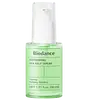 Key Ingredients
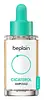
Benefits
Ingredients Side-by-side
Lactobacillus/Kelp Ferment Filtrate
Skin ConditioningPropanediol
Solvent

Butylene Glycol
Humectant
Niacinamide
Smoothing










1,2-Hexanediol
Skin Conditioning
Water
Skin ConditioningXylitol
Humectant
Erythritol
Humectant
Glycerin
Humectant
Gellan Gum
Xanthan Gum
EmulsifyingCalcium Chloride
AstringentEthylhexylglycerin
Skin ConditioningAdenosine
Skin Conditioning
Melia Azadirachta Leaf Extract
Skin ConditioningGlyceryl Acrylate/Acrylic Acid Copolymer
HumectantPvm/Ma Copolymer
Emulsion StabilisingMelia Azadirachta Flower Extract
Skin ConditioningLaminaria Digitata Extract
Skin Protecting
Hydroxyethylcellulose
Emulsion StabilisingSea Water
HumectantSodium Polyacrylate
Absorbent
Tocopherol
Antioxidant

Saccharide Isomerate
Humectant
Jania Rubens Extract
Skin ConditioningKjellmaniella Gyrata Extract
Skin ConditioningLaminaria Japonica Extract
Skin Protecting
Spirulina Platensis Extract
Skin ProtectingLactobacillus/Kelp Ferment Filtrate, Propanediol, Butylene Glycol, Niacinamide, 1,2-Hexanediol, Water, Xylitol, Erythritol, Glycerin, Gellan Gum, Xanthan Gum, Calcium Chloride, Ethylhexylglycerin, Adenosine, Melia Azadirachta Leaf Extract, Glyceryl Acrylate/Acrylic Acid Copolymer, Pvm/Ma Copolymer, Melia Azadirachta Flower Extract, Laminaria Digitata Extract, Hydroxyethylcellulose, Sea Water, Sodium Polyacrylate, Tocopherol, Saccharide Isomerate, Jania Rubens Extract, Kjellmaniella Gyrata Extract, Laminaria Japonica Extract, Spirulina Platensis Extract
Centella Asiatica Extract 69.4%
Cleansing
Butylene Glycol
Humectant
Water
Skin ConditioningGlycereth-26
Humectant
Methylpropanediol
SolventGlycerin
Humectant
Polyglycerin-3
Humectant
Saccharide Hydrolysate
Humectant1,2-Hexanediol
Skin Conditioning
Panthenol
Skin Conditioning
Xylitylglucoside
Humectant
Allantoin
Skin Conditioning
Tromethamine
BufferingAcrylates/C10-30 Alkyl Acrylate Crosspolymer
Emulsion StabilisingGlyceryl Acrylate/Acrylic Acid Copolymer
HumectantAnhydroxylitol
Humectant
Xylitol
Humectant
Sodium Polyacrylate
Absorbent
Glucose
Humectant
Dicaprylyl Carbonate
EmollientPentylene Glycol
Skin Conditioning
Beta-Glucan
Skin Conditioning
Sodium Hyaluronate
Humectant
Beta-Sitosterol
Emulsion Stabilising
Madecassoside
Antioxidant
Capryloyl Salicylic Acid
Exfoliating
Hydrogenated Lecithin
Emulsifying
Cynanchum Atratum Extract
Skin ConditioningHyaluronic Acid
Humectant
Asiaticoside
Antioxidant
Madecassic Acid
Skin Conditioning
Asiatic Acid
Skin Conditioning
Centella Asiatica Extract 69.4%, Butylene Glycol, Water, Glycereth-26, Methylpropanediol, Glycerin, Polyglycerin-3, Saccharide Hydrolysate, 1,2-Hexanediol, Panthenol, Xylitylglucoside, Allantoin, Tromethamine, Acrylates/C10-30 Alkyl Acrylate Crosspolymer, Glyceryl Acrylate/Acrylic Acid Copolymer, Anhydroxylitol, Xylitol, Sodium Polyacrylate, Glucose, Dicaprylyl Carbonate, Pentylene Glycol, Beta-Glucan, Sodium Hyaluronate, Beta-Sitosterol, Madecassoside, Capryloyl Salicylic Acid, Hydrogenated Lecithin, Cynanchum Atratum Extract, Hyaluronic Acid, Asiaticoside, Madecassic Acid, Asiatic Acid
Reviews
Ingredients Explained
These ingredients are found in both products.
Ingredients higher up in an ingredient list are typically present in a larger amount.
1,2-Hexanediol is a synthetic liquid and another multi-functional powerhouse.
It is a:
- Humectant, drawing moisture into the skin
- Emollient, helping to soften skin
- Solvent, dispersing and stabilizing formulas
- Preservative booster, enhancing the antimicrobial activity of other preservatives
Butylene Glycol (or BG) is used within cosmetic products for a few different reasons:
Overall, Butylene Glycol is a safe and well-rounded ingredient that works well with other ingredients.
Though this ingredient works well with most skin types, some people with sensitive skin may experience a reaction such as allergic rashes, closed comedones, or itchiness.
Learn more about Butylene GlycolGlycerin (or glycerol) is a compound naturally found in your skin. It's a powerhouse humectant that pulls water into the stratum corneum.
Topically, glycerin does several things at once:
Your skin makes glycerin on its own (mostly from sebaceous oil breakdown) and shuttles it to your outermost layer of skin, or your epidermis, via aquaporin-3.
Aquaporin-3 is a transporter that is essential for normal skin hydration, elasticity, and repair. Interestingly, mice lacking in AQP3 have dry and less elastic skin that can be fully corrected with glycerin.
This ingredient is non-irritating, plays well with almost every ingredient, and works across all skin types. Typical use is anywhere between 3-10% but can go up to 79% in some leave-on products.
Just know very high concentrations (>40%) can feel tacky in low humidity.
Glycerin is the name for this ingredient in American English. British English uses Glycerol/Glycerine.
Learn more about GlycerinGlyceryl Acrylate/Acrylic Acid Copolymer is made up of glycerin and polyacrylic acid. It helps hydrate your skin as a humectant.
This ingredient forms a hydrogel that delivers moisturizing, water-based ingredients to the skin. It is also used to thicken a product and to give it a smooth texture.
Acrylic acid itself is toxic, but the polymer form (this ingredient) is too large to penetrate skin, making it non-toxic.
Learn more about Glyceryl Acrylate/Acrylic Acid CopolymerSodium Polyacrylate is the sodium salt of polyacrylic acid. It is used as an absorber, emollient, and stabilizer.
This ingredient is a super-absorbent polymer - meaning it can absorb 100 to 1000 times its mass in water. As an emollient, Sodium Polyacrylate helps soften and soothe skin. Emollients work by creating a barrier to trap moisture in. This helps keep your skin hydrated.
Water. It's the most common cosmetic ingredient of all. You'll usually see it at the top of ingredient lists, meaning that it makes up the largest part of the product.
So why is it so popular? Water most often acts as a solvent - this means that it helps dissolve other ingredients into the formulation.
You'll also recognize water as that liquid we all need to stay alive. If you see this, drink a glass of water. Remember to stay hydrated!
Learn more about WaterXylitol is a humectant and prebiotic. It can help with dry skin.
In studies, xylitol has been shown to improve dry skin. It decreased transepidermal water loss, or when water passes through the skin and evaporates. Xylitol also showed to help improve the biomechanical properties of the skin barrier.
The prebiotic property of xylitol may also help reinforce our skin's natural microbiome. Having a healthy microbiome prevents infection by bad bacteria and helps with hydration.
As a humectant, Xylitol helps draw moisture from both the air and from deeper skin layers. This helps keep skin hydrated.
Xylitol is a sugar alcohol and commonly used as a sugar substitute. It is naturally occurring in plants such as strawberries and pumpkin.
Learn more about Xylitol
