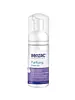
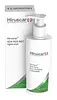
This salicylic acid gel cleanser is formulated around Salicylic Acid to clear breakouts and unclog pores.


What's inside
What's inside
 Key Ingredients
No key ingredients
Benefits
Concerns
Ingredients Side-by-side
Water
Skin ConditioningSodium Trideceth Sulfate
Cleansing
Cocamidopropyl Betaine
Cleansing



Sodium C14-16 Olefin Sulfonate
Cleansing
Alcohol
Antimicrobial

Aloe Barbadensis Leaf Extract
Emollient


Buteth-3
SolventCalendula Officinalis Flower Extract
Masking
CI 14720
Cosmetic ColorantCI 42090
Cosmetic ColorantCI 60730
Cosmetic ColorantCitric Acid
Buffering

Disodium Cocoyl Glutamate
Cleansing
Isopropyl Alcohol
Solvent
Magnesium Chloride
Magnesium Nitrate
Methyl Gluceth-20
Humectant
Methylchloroisothiazolinone
Preservative
Methylisothiazolinone
Preservative
Methyl 2,4-Dihydroxybenzoate
Skin ConditioningOlivamidopropyl Betaine
CleansingParfum
Masking
PEG-40 Hydrogenated Castor Oil
Emulsifying

Polyquaternium-10
Propylene Glycol
Humectant
Sodium Acetate
BufferingSodium Benzotriazolyl Butylphenol Sulfonate
UV AbsorberSodium Chloride
MaskingSodium Hydroxide
BufferingSodium Sulfate
Tetrasodium EDTA
ChelatingTributyl Citrate
SolventTris(Tetramethylhydroxypiperidinol)Citrate
StabilisingWater, Sodium Trideceth Sulfate, Cocamidopropyl Betaine, Sodium C14-16 Olefin Sulfonate, Alcohol, Aloe Barbadensis Leaf Extract, Buteth-3, Calendula Officinalis Flower Extract, CI 14720, CI 42090, CI 60730, Citric Acid, Disodium Cocoyl Glutamate, Isopropyl Alcohol, Magnesium Chloride, Magnesium Nitrate, Methyl Gluceth-20, Methylchloroisothiazolinone, Methylisothiazolinone, Methyl 2,4-Dihydroxybenzoate, Olivamidopropyl Betaine, Parfum, PEG-40 Hydrogenated Castor Oil, Polyquaternium-10, Propylene Glycol, Sodium Acetate, Sodium Benzotriazolyl Butylphenol Sulfonate, Sodium Chloride, Sodium Hydroxide, Sodium Sulfate, Tetrasodium EDTA, Tributyl Citrate, Tris(Tetramethylhydroxypiperidinol)Citrate
Water
Skin ConditioningGlycerin
Humectant

Potassium Laureth Phosphate
EmulsifyingAcrylates Copolymer
Disodium Laureth Sulfosuccinate
CleansingPEG-40 Hydrogenated Castor Oil
Emulsifying
Potassium Lauryl Phosphate
SurfactantCocamidopropyl Betaine
Cleansing
Phenoxyethanol
Preservative
Dipropylene Glycol
HumectantSodium Hydroxide
BufferingEthylhexylglycerin
Skin ConditioningPalmitamidopropyltrimonium Chloride
Citric Acid
Buffering
Parfum
Masking
Salicylic Acid
Masking




Tetrasodium EDTA
ChelatingPropylene Glycol
Humectant
Sodium Benzoate
Masking
Moringa Oleifera Seed Extract
Skin Conditioning
Glycosaminoglycans
EmollientAloe Barbadensis Leaf Extract
Emollient
Maltodextrin
Absorbent
Methylisothiazolinone
Preservative
Aesculus Hippocastanum Seed Extract
Skin ConditioningNiacinamide
Smoothing


Yeast Extract
Skin ConditioningAmmonium Glycyrrhizate
MaskingPanthenol
Skin Conditioning
Zinc Gluconate
Skin Conditioning
Caffeine
Skin Conditioning
Biotin
AntiseborrhoeicWater, Glycerin, Potassium Laureth Phosphate, Acrylates Copolymer, Disodium Laureth Sulfosuccinate, PEG-40 Hydrogenated Castor Oil, Potassium Lauryl Phosphate, Cocamidopropyl Betaine, Phenoxyethanol, Dipropylene Glycol, Sodium Hydroxide, Ethylhexylglycerin, Palmitamidopropyltrimonium Chloride, Citric Acid, Parfum, Salicylic Acid, Tetrasodium EDTA, Propylene Glycol, Sodium Benzoate, Moringa Oleifera Seed Extract, Glycosaminoglycans, Aloe Barbadensis Leaf Extract, Maltodextrin, Methylisothiazolinone, Aesculus Hippocastanum Seed Extract, Niacinamide, Yeast Extract, Ammonium Glycyrrhizate, Panthenol, Zinc Gluconate, Caffeine, Biotin
Reviews
Ingredients Explained
These ingredients are found in both products.
Ingredients higher up in an ingredient list are typically present in a larger amount.
Aloe Barbadensis Leaf Extract is a botanical extract pulled from the leaves of aloe vera and one of the most studied plant ingredients in cosmetics.
The inner leaf gel it comes from is mostly water (~99-99.5%) and the remaining fraction is made up of pretty good stuff: polysaccharides, vitamins, phenolics, and enzymes.
Its headline job is hydration.
The star polysaccharide in aloe, acemannan, is a humectant that retains moisture and helps reduce trans-epidermal water loss.
Aloe also has real soothing credentials; it contains anti-inflammatory compounds like bradykinase and C-glucosyl chromone that help calm irritation and redness.
On the repair side, lab work shows that acemannan wakes up your skin's repair cells (fibroblasts), prompting them to multiply and speed up healing.
There's some human data for cosmetic benefit too: a cream containing 10% Aloe Barbadensis leaf extract improved skin hydration and elasticity in a real-use study.
Safety-wise, this ingredient is well-regarded with just one rare downside; there have been some case reports of acute eczema, contact urticaria, and dermatitis in people who applied aloe-derived ingredients topically. Those with a known aloe or Liliaceae sensitivity should patch test.
Typical use levels range widely, from under 1% up to 90%+ depending on the format and the effect you are after.
Learn more about Aloe Barbadensis Leaf ExtractCitric Acid is an alpha hydroxy acid (AHA) naturally found in citrus fruits like oranges, lemons, and limes.
Like other AHAs, citric acid can exfoliate skin by breaking down the bonds that hold dead skin cells together. This helps reveal smoother and brighter skin underneath.
However, this exfoliating effect only happens at high concentrations (20%) which can be hard to find in cosmetic products.
Due to this, citric acid is usually included in small amounts as a pH adjuster. This helps keep products slightly more acidic and compatible with skin's natural pH.
In skincare formulas, citric acid can:
While it can provide some skin benefits, research shows lactic acid and glycolic acid are generally more effective and less irritating exfoliants.
Most citric acid used in skincare today is made by fermenting sugars (usually from molasses). This synthetic version is identical to the natural citrus form but easier to stabilize and use in formulations.
Rosacea skin has a lower threshold for acids generally, with 62.5% of rosacea subjects in one study reacting to lactic acid in a sting test. This is why we mark citric acid as a potential rosacea trigger.
However, this ingredient shows up as a pH adjuster or chelator at roughly 0.1-1% in many products. These low levels are unlikely to be an issue for rosacea skin and becomes a potential trigger at exfoliating concentrations (20%). Because everybody's skin is unique, we recommend a patch test if you are unsure.
Learn more about Citric AcidCocamidopropyl Betaine is a fatty acid created by mixing similar compounds in coconut oil and dimethylaminopropylamine, a compound with two amino groups.
This ingredient is a surfactant and cleanser. It helps gather the dirt, pollutants, and other impurities in your skin to be washed away. It also helps thicken a product and make the texture more creamy.
Being created from coconut oil means Cocamidopropyl Betaine is hydrating for the skin.
While Cocamidopropyl Betaine was believed to be an allergen, a study from 2012 disproved this. It found two compounds in unpure Cocamidopropyl Betaine to be the irritants: aminoamide and 3-dimethylaminopropylamine. High-grade and pure Cocamidopropyl Betaine did not induce allergic reactions during this study.
Learn more about Cocamidopropyl BetaineMI is a preservative and known skin irritant. In the past, MI was used for its ability to prevent bacteria, yeast, and fungi growth in low doses.
Nowadays, you'll most likely see MI combined with Methylchloroisothiazolinone (MCI).
Since then, numerous studies have shown this ingredient to cause contact dermatitis, or skin irritation.
The use of this ingredient varies around the world:
Learn more about MethylisothiazolinoneParfum is a catch-all term for an ingredient or more that is used to give a scent to products.
Also called "fragrance", this ingredient can be a blend of hundreds of chemicals or plant oils. This means every product with "fragrance" or "parfum" in the ingredients list is a different mixture.
For instance, Habanolide is a proprietary trade name for a specific aroma chemical. When used as a fragrance ingredient in cosmetics, most aroma chemicals fall under the broad labeling category of “FRAGRANCE” or “PARFUM” according to EU and US regulations.
The term 'parfum' or 'fragrance' is not regulated in many countries. In many cases, it is up to the brand to define this term.
For instance, many brands choose to label themselves as "fragrance-free" because they are not using synthetic fragrances. However, their products may still contain ingredients such as essential oils that are considered a fragrance by INCI standards.
One example is Calendula flower extract. Calendula is an essential oil that still imparts a scent or 'fragrance'.
Depending on the blend, the ingredients in the mixture can cause allergies and sensitivities on the skin. Some ingredients that are known EU allergens include linalool and citronellol.
Parfum can also be used to mask or cover an unpleasant scent.
The bottom line is: not all fragrances/parfum/ingredients are created equally. If you are worried about fragrances, we recommend taking a closer look at an ingredient. And of course, we always recommend speaking with a professional.
Learn more about ParfumPEG-40 Hydrogenated Castor Oil is an emulsifier derived from castor oil.
As an emulsifying agent, it helps other ingredients like fragrances and fat-soluble vitamins dissolve cohesively.
Due to its large molecule size, it doesn't penetrate beyond the skin's surface.
This ingredient has a solid regulatory track record; the CIR Expert Panel first concluded it was safe for use in cosmetics at concentrations up to 100% in 1997. A 2012 reassessment reaffirmed that finding. Safety studies have also found no irritation or evidence of toxicity.
A 2019 study did find this ingredient to grow Malassezia, so this ingredient may not be fungal acne safe.
Learn more about PEG-40 Hydrogenated Castor OilPropylene Glycol is a synthetic, colorless, odorless liquid that has been a staple in cosmetics for decades. It is a skin conditioning agent, humectant, and solvent.
As a humectant, it draw water to the skin to reduce flaking and restore suppleness. It's also a solvent that helps dissolve other actives and keeps formulas stable across temperature changes.
The CIR Expert Panel has confirmed this ingredient to be nontoxic and clinical studies show no sensitization at cosmetic use concentrations.
True allergic reactions are quite rare: a 15-year retrospective study of 6,751 patients found only 0.31% had a positive reaction (and less than half were considered clinically relevant).
It seemed that when sensitization does occur, it's most commonly linked to topical medication (like corticosteroids) and not cosmetics. Allergic contact dermatitis also appears largely limited to individuals with underlying skin conditions.
Overall, propylene glycol is a well-studied ingredient that most people can tolerate without issue.
Learn more about Propylene GlycolSodium Hydroxide is also known as lye or caustic soda. It is used to adjust the pH of products; many ingredients require a specific pH to be effective.
In small amounts, sodium hydroxide is considered safe to use. However, large amounts may cause chemical burns due to its high alkaline.
Your skin has a natural pH and acid mantle. This acid mantle helps prevent harmful bacteria from breaking through. The acid mantle also helps keep your skin hydrated.
"Alkaline" refers to a high pH level. A low pH level would be considered acidic.
Learn more about Sodium HydroxideTetrasodium EDTA is the salt formed from neutralizing ethylenediamine tetraacetic acid with sodium hydroxide. It is a chelating agent and used to prevent metal ions from binding to other ingredients. This helps keep the product and ingredients stable.
Tetrasodium EDTA comes as a white solid and is soluble in water.
Water. It's the most common cosmetic ingredient of all. You'll usually see it at the top of ingredient lists, meaning that it makes up the largest part of the product.
So why is it so popular? Water most often acts as a solvent - this means that it helps dissolve other ingredients into the formulation.
You'll also recognize water as that liquid we all need to stay alive. If you see this, drink a glass of water. Remember to stay hydrated!
Learn more about Water

