This barrier-repair moisturizer is formulated around Snail Secretion Filtrate and Niacinamide to strengthen the skin barrier and hydrate skin.
This barrier-repair moisturizer is formulated around Astragalus Membranaceus Root Extract and Simmondsia Chinensis Seed Oil to strengthen the skin barrier and hydrate skin.

What's inside
What's inside
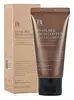 Key Ingredients
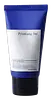
No key ingredients
Benefits
Concerns
Ingredients Side-by-side
Snail Secretion Filtrate
Skin Conditioning





Cetyl Ethylhexanoate
EmollientGlycerin
Humectant
Butylene Glycol
Humectant
Water
Skin ConditioningPentylene Glycol
Skin Conditioning
1,2-Hexanediol
Skin Conditioning
Cetearyl Olivate


Niacinamide
Smoothing







Behenyl Alcohol
Emollient
Stearic Acid
Cleansing
Sorbitan Olivate
Emulsifying
Palmitic Acid
Emollient

Simmondsia Chinensis Seed Oil
Emollient
Argania Spinosa Kernel Oil
Emollient
Glyceryl Stearate
Emollient
Helianthus Annuus Seed Oil
Emollient
Carthamus Tinctorius Seed Oil
Masking
Plantago Asiatica Extract
Skin ConditioningDiospyros Kaki Leaf Extract
Skin Protecting
Laminaria Digitata Extract
Skin Protecting
Salix Alba Bark Extract
Astringent
Ulmus Campestris Bark Extract
AstringentTripeptide-1
Skin Conditioning
Palmitoyl Pentapeptide-4
Skin Conditioning
Palmitoyl Tripeptide-1
Skin Conditioning
Copper Tripeptide-1
Skin Conditioning
Hexapeptide-11
Skin Conditioning
Hexapeptide-9
Skin Conditioning
Carbomer
Emulsion StabilisingArginine
Masking
Urea
Buffering
Tocopherol
Antioxidant

Xanthan Gum
EmulsifyingAdenosine
Skin Conditioning
Caprylyl Glycol
Emollient
Citrus Paradisi Fruit Extract
Skin ConditioningSodium Hyaluronate
Humectant
Acorus Calamus Root Extract
Perfuming
Polyglyceryl-10 Laurate
Skin Conditioning
Schisandra Chinensis Fruit Extract
Skin Conditioning
Perilla Ocymoides Leaf Extract
TonicBee Venom
Astringent
Snail Secretion Filtrate, Cetyl Ethylhexanoate, Glycerin, Butylene Glycol, Water, Pentylene Glycol, 1,2-Hexanediol, Cetearyl Olivate, Niacinamide, Behenyl Alcohol, Stearic Acid, Sorbitan Olivate, Palmitic Acid, Simmondsia Chinensis Seed Oil, Argania Spinosa Kernel Oil, Glyceryl Stearate, Helianthus Annuus Seed Oil, Carthamus Tinctorius Seed Oil, Plantago Asiatica Extract, Diospyros Kaki Leaf Extract, Laminaria Digitata Extract, Salix Alba Bark Extract, Ulmus Campestris Bark Extract, Tripeptide-1, Palmitoyl Pentapeptide-4, Palmitoyl Tripeptide-1, Copper Tripeptide-1, Hexapeptide-11, Hexapeptide-9, Carbomer, Arginine, Urea, Tocopherol, Xanthan Gum, Adenosine, Caprylyl Glycol, Citrus Paradisi Fruit Extract, Sodium Hyaluronate, Acorus Calamus Root Extract, Polyglyceryl-10 Laurate, Schisandra Chinensis Fruit Extract, Perilla Ocymoides Leaf Extract, Bee Venom
Reviews
Ingredients Explained
These ingredients are found in both products.
Ingredients higher up in an ingredient list are typically present in a larger amount.
1,2-Hexanediol is a synthetic liquid and another multi-functional powerhouse.
It is a:
- Humectant, drawing moisture into the skin
- Emollient, helping to soften skin
- Solvent, dispersing and stabilizing formulas
- Preservative booster, enhancing the antimicrobial activity of other preservatives
Butylene Glycol (or BG) is used within cosmetic products for a few different reasons:
Overall, Butylene Glycol is a safe and well-rounded ingredient that works well with other ingredients.
Though this ingredient works well with most skin types, some people with sensitive skin may experience a reaction such as allergic rashes, closed comedones, or itchiness.
Learn more about Butylene GlycolGlycerin (or glycerol) is a compound naturally found in your skin. It's a powerhouse humectant that pulls water into the stratum corneum.
Topically, glycerin does several things at once:
Your skin makes glycerin on its own (mostly from sebaceous oil breakdown) and shuttles it to your outermost layer of skin, or your epidermis, via aquaporin-3.
Aquaporin-3 is a transporter that is essential for normal skin hydration, elasticity, and repair. Interestingly, mice lacking in AQP3 have dry and less elastic skin that can be fully corrected with glycerin.
This ingredient is non-irritating, plays well with almost every ingredient, and works across all skin types. Typical use is anywhere between 3-10% but can go up to 79% in some leave-on products.
Just know very high concentrations (>40%) can feel tacky in low humidity.
Glycerin is the name for this ingredient in American English. British English uses Glycerol/Glycerine.
Learn more about GlycerinJojoba oil is one of the most well-studied plant-derived ingredients in cosmetics. It is an emollient with a special structure.
Because it is made up of 97-98% wax esters, it closely mirrors the linear monoesters found in human sebum. This makes it skin compatible, non-greasy, and lightweight.
Unlike other plant oils, jojoba wax doesn't easily penetrate skin. It mostly works in the uppermost layers as an emollient. This just means it forms a light barrier on the skin to help retain moisture.
Formulations with jojoba esters up to 90% reduced transepidermal water loss (TEWL) and increased barrier recovery by 81% (outperforming bisabolol at 47%).
Besides barrier support, the science also suggests jojoba to have anti-inflammatory effects and potential applications for skin infections, aging, and wound healing.
Fun fact: Indigenous cultures have used jojoba as a moisturizer and to help treat burns for centuries.
Fungal acne: The Malassezia yeast is known to metabolize fatty acids in the C11-24 range and jojoba's dominant fatty acid components fall into this range. This ingredient may not be fungal acne safe.
Learn more about Simmondsia Chinensis Seed Oil


