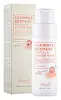
This mild powder cleanser is made to cleanse while calming and soothing your skin.


What's inside
What's inside
 Key Ingredients
Benefits
Concerns
Ingredients Side-by-side
Sodium Cocoyl Isethionate
Cleansing
Sodium Lauroyl Glutamate
SurfactantCoconut Acid
Cleansing

Sodium Isethionate
CleansingWater
Skin ConditioningSodium Bicarbonate
Abrasive
Zea Mays Starch
Absorbent
Calamine
AbsorbentHouttuynia Cordata Extract
Skin Conditioning

Laminaria Japonica Extract
Skin Protecting
Centella Asiatica Extract
Cleansing



Sodium Polyacrylate
Absorbent
Sucrose
Humectant
Ascorbic Acid
Antioxidant



Sodium Hyaluronate
Humectant
Centella Asiatica Leaf/Stem Powder
Protease
Exfoliating
Bromelain
Skin Conditioning
Sea Salt
Abrasive
Glycerin
Humectant
Hydrogenated Phosphatidylcholine
Emulsifying
1,2-Hexanediol
Skin Conditioning
Caprylic/Capric Triglyceride
Masking
Butylene Glycol
Humectant
Asiaticoside
Antioxidant
Madecassic Acid
Skin Conditioning
Asiatic Acid
Skin Conditioning
Madecassoside
Antioxidant
Sucrose Stearate
EmollientCetearyl Alcohol
Emollient



Sodium Cocoyl Isethionate, Sodium Lauroyl Glutamate, Coconut Acid, Sodium Isethionate, Water, Sodium Bicarbonate, Zea Mays Starch, Calamine, Houttuynia Cordata Extract, Laminaria Japonica Extract, Centella Asiatica Extract, Sodium Polyacrylate, Sucrose, Ascorbic Acid, Sodium Hyaluronate, Centella Asiatica Leaf/Stem Powder, Protease, Bromelain, Sea Salt, Glycerin, Hydrogenated Phosphatidylcholine, 1,2-Hexanediol, Caprylic/Capric Triglyceride, Butylene Glycol, Asiaticoside, Madecassic Acid, Asiatic Acid, Madecassoside, Sucrose Stearate, Cetearyl Alcohol





Reviews
Ingredients Explained
These ingredients are found in both products.
Ingredients higher up in an ingredient list are typically present in a larger amount.
Protease is an enzyme that works as a gentle exfoliant by mimicking something your skin already does naturally.
Your skin uses proteolytic enzymes to carry out desquamation; this is the process of shedding dead skin cells from the stratum corneum.
In skincare, proteases act as biological catalysts that mimic this natural desquamation process. You can think of it as giving your skin's own renewal system a nudge.
By breaking down the bonds that hold dead skin cells together, proteases help accelerate cell turnover to:
One reason they're becoming a popular AHA alternative is because proteases are considered effective while also being well-tolerated on skin. Because they work at a protein level rather than by lowering the skin pH, they can be a good option for those sensitive to AHAs.
Available in vitro and in vivo studies show positive exfoliant results but clinical (human) trials specifically on enzymatic exfoliation are still limited at this time.
Just one thing worth noting: temperature, pH, and stabilization are important factors that affect enzyme activity. The formulation quality definitely matters with this ingredient.
This ingredient can be either microbial sourced or plant-derived (papain from papaya, bromelain from pineapple).
Learn more about ProteaseSodium cocoyl isethionate is a natural ingredient from coconut oil. It is an ultra gentle cleanser that gives a nice foam without drying the skin or impacting the skin barrier.
The amount of foam created depends on the amount of sodium cocoyl isethionate used in the product.
This ingredient also helps improve the spreadability of a product.
This ingredient hasn’t been shown in studies to feed fungal acne yeast.
Learn more about Sodium Cocoyl IsethionateSodium Hyaluronate is the salt form of hyaluronic acid. It is a long sugar chain that is naturally found in your skin, joints, and connective tissue that maintains hydration and elasticity.
In skincare, it works as a humectant. It pulls water from the environment and deeper layers of skin and binds it to the surface.
Interestingly, the size of the molecule affects its behavior:
Some clinical evidence links low molecular weight versions to improved wrinkle depth, elasticity, anti-inflammatory effects, and barrier repair.
Many serums use a blend of both weights so you can get surface hydration plus longer-lasting and deeper effects.
You'll typically see concentrations between 0.1-2% for this ingredient.
Learn more about Sodium HyaluronateWater. It's the most common cosmetic ingredient of all. You'll usually see it at the top of ingredient lists, meaning that it makes up the largest part of the product.
So why is it so popular? Water most often acts as a solvent - this means that it helps dissolve other ingredients into the formulation.
You'll also recognize water as that liquid we all need to stay alive. If you see this, drink a glass of water. Remember to stay hydrated!
Learn more about WaterZea Mays Starch is starch made from corn. You might know this as cornstarch . It is used to thicken a product. It can replace talc as an absorbent.
The pH of cornstarch is 5.92.
Cornstarch is a common food ingredient used to thicken soups or to make corn syrup.
Learn more about Zea Mays Starch

