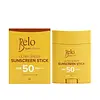
This chemical sunscreen covers the full UV range and blocks ~98% of UVB at SPF 50.
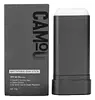
This hybrid sunscreen covers the full UV range, though its SPF isn't confirmed on file yet.

What's inside
What's inside
 Key Ingredients
Benefits
Concerns
Ingredients Side-by-side
Caprylyl Methicone
Skin Conditioning
Methyl Methacrylate Crosspolymer

Synthetic Wax
Abrasive

Dibutyl Adipate
EmollientCoco-Caprylate/Caprate
Emollient
Isopropyl Palmitate
Emollient



Silica
Abrasive
Butyloctyl Salicylate
Skin Conditioning

Diethylamino Hydroxybenzoyl Hexyl Benzoate
UV Filter
Bis-Ethylhexyloxyphenol Methoxyphenyl Triazine
UV Absorber
Caprylyl Trimethicone
Skin Conditioning
Ethylhexyl Triazone
UV Absorber
Microcrystalline Wax
Emulsion StabilisingPolysilicone-15
UV Filter
Synthetic Fluorphlogopite
Ethylhexyl Palmitate
Emollient
Vinyldimethicone
Vinyl Dimethicone/Methicone Silsesquioxane Crosspolymer
Bis-Behenyl/Isostearyl/Phytosteryl Dimer Dilinoleyl Dimer Dilinoleate
EmollientCamellia Japonica Seed Oil
Emollient

Polyglyceryl-4 Diisostearate/Polyhydroxystearate/Sebacate
Emulsifying
Olea Europaea Fruit Oil
Masking
Citrus Aurantium Bergamia Fruit Oil
Masking

Citrus Aurantium Dulcis Oil
Masking
Citrus Grandis Peel Oil
Masking
Cedrus Atlantica Bark Oil
Masking
Lavandula Angustifolia Oil
Masking
Pelargonium Graveolens Flower Oil
Masking
Copaifera Officinalis Resin
MaskingIllicium Verum Fruit/Seed Oil
Masking
Artemisia Absinthium Extract
Skin ConditioningRose Flower Oil
Masking
Caprylyl Methicone, Methyl Methacrylate Crosspolymer, Synthetic Wax, Dibutyl Adipate, Coco-Caprylate/Caprate, Isopropyl Palmitate, Silica, Butyloctyl Salicylate, Diethylamino Hydroxybenzoyl Hexyl Benzoate, Bis-Ethylhexyloxyphenol Methoxyphenyl Triazine, Caprylyl Trimethicone, Ethylhexyl Triazone, Microcrystalline Wax, Polysilicone-15, Synthetic Fluorphlogopite, Ethylhexyl Palmitate, Vinyldimethicone, Vinyl Dimethicone/Methicone Silsesquioxane Crosspolymer, Bis-Behenyl/Isostearyl/Phytosteryl Dimer Dilinoleyl Dimer Dilinoleate, Camellia Japonica Seed Oil, Polyglyceryl-4 Diisostearate/Polyhydroxystearate/Sebacate, Olea Europaea Fruit Oil, Citrus Aurantium Bergamia Fruit Oil, Citrus Aurantium Dulcis Oil, Citrus Grandis Peel Oil, Cedrus Atlantica Bark Oil, Lavandula Angustifolia Oil, Pelargonium Graveolens Flower Oil, Copaifera Officinalis Resin, Illicium Verum Fruit/Seed Oil, Artemisia Absinthium Extract, Rose Flower Oil
Ethylhexyl Palmitate
Emollient
Silica
Abrasive
Cyclopentasiloxane
Emollient
Ozokerite
Emulsion StabilisingIsononyl Isononanoate
EmollientEthylhexyl Methoxycinnamate
UV Absorber
Synthetic Wax
Abrasive
Octocrylene
UV Absorber
Butylene Glycol Dicaprylate/Dicaprate
EmollientMicrocrystalline Wax
Emulsion StabilisingPolysilicone-15
UV Filter
Ascorbic Acid
Antioxidant






Zinc Oxide
Cosmetic Colorant
Cyclohexasiloxane
Emollient
Butyl Methoxydibenzoylmethane
UV Absorber
CI 77891
Cosmetic ColorantAloe Barbadensis Extract
Skin Conditioning

Triethoxycaprylylsilane
Cotoneaster Extract
Tridecyl Trimellitate
EmollientDimethicone
Emollient
CI 42090
Cosmetic ColorantCI 77492
Cosmetic ColorantEthylhexyl Palmitate, Silica, Cyclopentasiloxane, Ozokerite, Isononyl Isononanoate, Ethylhexyl Methoxycinnamate, Synthetic Wax, Octocrylene, Butylene Glycol Dicaprylate/Dicaprate, Microcrystalline Wax, Polysilicone-15, Ascorbic Acid, Zinc Oxide, Cyclohexasiloxane, Butyl Methoxydibenzoylmethane, CI 77891, Aloe Barbadensis Extract, Triethoxycaprylylsilane, Cotoneaster Extract, Tridecyl Trimellitate, Dimethicone, CI 42090, CI 77492
Ingredients Explained
These ingredients are found in both products.
Ingredients higher up in an ingredient list are typically present in a larger amount.
Ethylhexyl Palmitate, also known as octyl palmitate, is created from 2-ethylhexyl alcohol and palmitic acid.
In cosmetics, it plays many roles:
One thing worth noting: a controlled study found this ingredient applied under occlusion to acne-prone subjects increased microcomedones. Just keep in mind this was under occlusive conditions and don't reflect how most products are used day-to-day.
For most people, this is a well-tolerated and lightweight ingredient.
This ingredient may not be fungal acne safe because it is an ester of palmitic acid, a C16 fatty acid that falls within the C11-24 range that Malassezia can metabolize.
You'll see this one rated 4 comedogenic all over the internet. That number isn't from a single study, and the actual research is more interesting.
The original rating comes from 1980s rabbit ear tests (which are a shaky basis for anything). But Ethylhexyl Palmitate is one of the few ingredients with real human data behind it. A 2021 controlled trial found this ingredient increased microcomedones by an average of 365% over four weeks.
Just know that test used the pure ingredient under an occlusive pad on back skin; most products use it at much lower levels alongside other ingredients and plenty of people use those with no issue.
Learn more about Ethylhexyl PalmitateMicrocrystalline Wax is derived from petroleum through a de-oiling process, then highly refined and purified before use in cosmetics.
In skincare formulations, it is used to improve texture and create a smooth, even consistency. It also helps stabilize products by preventing ingredients from separating.
Polysilicone-15 (trade name: Parsol SLX) is a silicone-based UVB filter that soaks up UVB light (~280-320nm) with a peak around 310nm.
It's a fairly modest sunscreen filter so formulators mostly use it as an SPF booster and "light stabilizer". This just means it helps keep other light-sensitive ingredients from breaking down in sunlight.
A 2007 study measured the in-vitro SPF of 18 filters and found Polysilicone-15 contributed an SPF of about 3.64 at its maximum legal concentration (though worth noting its maker points out that in-vitro tests tend to underestimate its real performance because of its large polymeric structure).
Usage levels vary; it's approved up to 10% as a UV filter in the EU, China, Japan, Australia, ASEAN, and Mercosur countries. In the US, it's only permitted up to 1% as a light stabilizer because the FDA hasn't reviewed it as a sunscreen active.
Typical use levels range from 1-3%.
The EU's scientific committee concluded that this ingredient is safe for use as a UV absorber up to 10%, and tests came back negative for irritation, phototoxicity, and photoallergy.
There is one case of allergic lip inflammation from a lip balm with this ingredient, though this is rare.
Learn more about Polysilicone-15Silica, also known as silicon dioxide, is a naturally occurring mineral. It is used as a fine, spherical, and porous powder in cosmetics.
Though it has exfoliant properties, the function of silica varies depending on the product.
The unique structure of silica enhances the spreadability and adds smoothness, making it a great texture enhancer.
It is also used as an active carrier, emulsifier, and mattifier due to its ability to absorb excess oil.
In some products, tiny microneedles called spicules are made from silica or hydrolyzed sponge. When you rub them in, they lightly polish away dead skin layers and enhance the penetration of active ingredients.
Learn more about SilicaSynthetic Wax is a manufactured hydrocarbon wax. In formulas, it works as an occlusive emollient that helps reduce water loss and improves the spreadability of products.
Research comparing synthetic wax to traditional mineral-derived products found that formulas containing it perform as well for skin hydration.
It is considered non-comedogenic and vegan-friendly.
This ingredient has a well-established safety record by the CIR Expert Panel for Cosmetic Ingredient Safety.
Synthetic Waxes are straight/branched-chain hydrocarbons with no ester bond or fatty acids. That means there is nothing for the Malassezia yeast to feed on.
Learn more about Synthetic Wax

