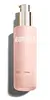
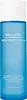
Beautycounter Countertime Mineral Boost Hydrating Essence Versus Miguhara Marine Energy First Essence
This anti-aging essence is formulated around Bakuchiol and Phytic Acid to soften the look of wrinkles.
This hydrating essence is formulated around Lactobacillus/Rice Ferment and Laminaria Japonica Extract to hydrate skin and strengthen the skin barrier.


What's inside
What's inside
 Key Ingredients
Benefits
Concerns
Ingredients Side-by-side
Water
Skin ConditioningGlycerin
Humectant


Pentylene Glycol
Skin Conditioning
Bakuchiol
Antimicrobial








Rhododendron Ferrugineum Extract
MaskingMaris Aqua
HumectantBiosaccharide Gum-1
Humectant
Phytic Acid
Chelating
Pullulan
Citrus Aurantium Bergamia Fruit Oil
Masking



Cymbopogon Martini Oil
Masking
Citrus Limon Peel Oil
Masking


Citrus Aurantium Dulcis Peel Oil
Masking
Juniperus Mexicana Oil
Masking
Cymbopogon Citratus Leaf Oil
Masking
Pelargonium Graveolens Flower Oil
Masking
Linalool
Perfuming
Rosa Damascena Flower Oil
Masking
Fusanus Spicatus Wood Oil
Masking
Silica
Abrasive

Hexyl Acetate
Masking
Potassium Sorbate
Preservative
Sclerotium Gum
Emulsion Stabilising3-Hexenol
Masking
Lecithin
Emollient
Triethyl Citrate
Masking
Xanthan Gum
EmulsifyingPhenoxyethanol
Preservative
Citral
Perfuming
Geraniol
Perfuming
Limonene
Perfuming
Water, Glycerin, Pentylene Glycol, Bakuchiol, Rhododendron Ferrugineum Extract, Maris Aqua, Biosaccharide Gum-1, Phytic Acid, Pullulan, Citrus Aurantium Bergamia Fruit Oil, Cymbopogon Martini Oil, Citrus Limon Peel Oil, Citrus Aurantium Dulcis Peel Oil, Juniperus Mexicana Oil, Cymbopogon Citratus Leaf Oil, Pelargonium Graveolens Flower Oil, Linalool, Rosa Damascena Flower Oil, Fusanus Spicatus Wood Oil, Silica, Hexyl Acetate, Potassium Sorbate, Sclerotium Gum, 3-Hexenol, Lecithin, Triethyl Citrate, Xanthan Gum, Phenoxyethanol, Citral, Geraniol, Limonene
Sea Water
HumectantGlycerin
Humectant
Butylene Glycol
Humectant
Diglycerin
Humectant
1,2-Hexanediol
Skin Conditioning
Water
Skin ConditioningSaccharomyces/Potato Extract Ferment Filtrate
Humectant
Saccharomyces/Coix Lacryma-Jobi Ma-Yuen Seed Ferment Filtrate
Skin Conditioning
Lactobacillus/Soybean Ferment Extract
Skin ConditioningLactobacillus/Rice Ferment
Skin Conditioning
Lactobacillus
Skin ConditioningCamellia Japonica Seed Oil
Emollient
Undaria Pinnatifida Extract
Skin ConditioningUlva Lactuca Extract
Skin ConditioningSargassum Muticum Extract
Skin ProtectingSargassum Fulvellum Extract
Skin ConditioningSalicornia Herbacea Extract
Skin ConditioningPorphyra Yezoensis Extract
Skin ConditioningLaminaria Japonica Extract
Skin Protecting
Hizikia Fusiforme Extract
Skin Conditioning
Enteromorpha Compressa Extract
Skin Protecting
Ecklonia Cava Extract
Skin Conditioning
Codium Fragile Extract
Skin Conditioning
Chlorella Vulgaris Extract
Skin ConditioningEuglena Gracilis Extract
Skin ConditioningHydrolyzed Ulva Lactuca Extract
Skin ConditioningChlorella Ferment
Skin Conditioning
Ethylhexylglycerin
Skin ConditioningSphingomonas Ferment Extract
Skin Conditioning
Rosa Multiflora Extract
Antioxidant
Chrysanthemum Zawadskii Extract
Skin ConditioningChamomilla Recutita Flower Extract
Masking
Linalool
Perfuming
Lavandula Angustifolia Oil
Masking
Limonene
Perfuming
Citrus Aurantium Bergamia Fruit Oil
Masking
Sodium Hyaluronate
Humectant
Hydrolyzed Enteromorpha Compressa
Skin ConditioningSea Water, Glycerin, Butylene Glycol, Diglycerin, 1,2-Hexanediol, Water, Saccharomyces/Potato Extract Ferment Filtrate, Saccharomyces/Coix Lacryma-Jobi Ma-Yuen Seed Ferment Filtrate, Lactobacillus/Soybean Ferment Extract, Lactobacillus/Rice Ferment, Lactobacillus, Camellia Japonica Seed Oil, Undaria Pinnatifida Extract, Ulva Lactuca Extract, Sargassum Muticum Extract, Sargassum Fulvellum Extract, Salicornia Herbacea Extract, Porphyra Yezoensis Extract, Laminaria Japonica Extract, Hizikia Fusiforme Extract, Enteromorpha Compressa Extract, Ecklonia Cava Extract, Codium Fragile Extract, Chlorella Vulgaris Extract, Euglena Gracilis Extract, Hydrolyzed Ulva Lactuca Extract, Chlorella Ferment, Ethylhexylglycerin, Sphingomonas Ferment Extract, Rosa Multiflora Extract, Chrysanthemum Zawadskii Extract, Chamomilla Recutita Flower Extract, Linalool, Lavandula Angustifolia Oil, Limonene, Citrus Aurantium Bergamia Fruit Oil, Sodium Hyaluronate, Hydrolyzed Enteromorpha Compressa
Alternatives
Ingredients Explained
These ingredients are found in both products.
Ingredients higher up in an ingredient list are typically present in a larger amount.
Citrus Aurantium Bergamia Fruit Oil is the oil from the bergamot orange and is primarily used as a fragrance. It has a "fresh" and "bright orange" scent.
The main aroma compounds found in this ingredient are limonene (~27-52%), linalool (~2-22%), and linalyl acetate (~27-40%). These are known EU fragrance allergens.
The term 'fragrance' is not regulated in many countries. In many cases, it is up to the brand to define this term. For instance, many brands choose to label themselves as "fragrance-free" because they are not using synthetic fragrances. However, their products may still contain ingredients such as essential oils that are considered a fragrance.
When used topically, Citrus Aurantium Bergamia Fruit Oil is a photosensitizer due to the furanocoumarin content. Furanocoumarins absorb UV-A and cause phytophotodermatitis; this can look like redness, blistering, and lasting brown pigmentation on sun-exposed skin.
Due to this, this ingredient is capped at 0.4% in leave-on products applied to sun exposed skin.
Many modern formulas used a "furanocoumarin-free" version that sidesteps the phototoxicity issue, but still contains the fragrance allergens.
Learn more about Citrus Aurantium Bergamia Fruit OilGlycerin (or glycerol) is a compound naturally found in your skin. It's a powerhouse humectant that pulls water into the stratum corneum.
Topically, glycerin does several things at once:
Your skin makes glycerin on its own (mostly from sebaceous oil breakdown) and shuttles it to your outermost layer of skin, or your epidermis, via aquaporin-3.
Aquaporin-3 is a transporter that is essential for normal skin hydration, elasticity, and repair. Interestingly, mice lacking in AQP3 have dry and less elastic skin that can be fully corrected with glycerin.
This ingredient is non-irritating, plays well with almost every ingredient, and works across all skin types. Typical use is anywhere between 3-10% but can go up to 79% in some leave-on products.
Just know very high concentrations (>40%) can feel tacky in low humidity.
Glycerin is the name for this ingredient in American English. British English uses Glycerol/Glycerine.
Learn more about GlycerinLimonene is the compound that gives citrus peel its smell.
In skincare, it shows up as a standalone fragrance ingredient or as a natural compound of citrus and other essential oils.
You'll typically see this ingredient used in very small amounts; anything above 0.001% in a leave-on product or 0.01% in a rinse-off has to be named on the label in the EU. The citrus oils that carry it sit around 0.5-1% in a finished formula.
Fresh limonene is a weak allergen; the real issue is that it slowly reacts with air and then breaks down from oxidation to create hydroperoxides (which are strong sensitizers). This is why suppliers are required to keep the peroxide value below 20 mmol.
Positive reactions in people being investigated for eczema vary:
It's worth skipping if you have a known fragrance allergy or a compromised barrier, but the risk is low for most people.
Older or long-opened products are also more likely to bother you than fresh ones due to oxidation.
Learn more about LimoneneLinalool is a small, naturally occurring scent molecule found in plants like lavender, coriander, bergamot, and more.
It is one of the two most-used fragrance ingredients in cosmetics and added purely for smell. Since it's not used for a skin benefit, there's no "effective dose". Concentration depends on the fragrance load of the product.
The EU requires it to be named on the label above 0.001% in leave-on and 0.01% in rinse-off products.
Fresh linalool is a weak sensitizer but air exposure turns some of it into hydroperoxides, which are strong sensitizers. Those oxidation products are the actual allergy concern.
Patch-test clinics see positive reactions to linalool hydroperoxides in about 4% to 12% of dermatitis patients depending on country and test concentration.
Resassuringly, one analytical study found hydroperoxide levels in real fragranced products to be orders of magnitude below what induced sensitization in animal studies with no evidence of oxidation building up during normal storage.
The practical takeaway is that linalool is fine for most people but worth avoiding if you have a confirmed fragrance contact allergy or a badly compromised barrier.
Products stored a long time after opening are also the high-risk scenario since that is when oxidation happens.
The scent of linalool is described as floral, spicy tropical, and citrus-like.
Learn more about LinaloolWater. It's the most common cosmetic ingredient of all. You'll usually see it at the top of ingredient lists, meaning that it makes up the largest part of the product.
So why is it so popular? Water most often acts as a solvent - this means that it helps dissolve other ingredients into the formulation.
You'll also recognize water as that liquid we all need to stay alive. If you see this, drink a glass of water. Remember to stay hydrated!
Learn more about Water

