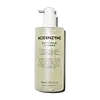
This smoothing exfoliator is formulated around Salicylic Acid and Papain to refine skin texture and clear breakouts.
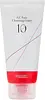
This salicylic acid foaming cleanser is formulated around Salicylic Acid to clear breakouts and unclog pores.


What's inside
What's inside
 Key Ingredients
Benefits
Concerns
Ingredients Side-by-side
Water
Skin ConditioningDecyl Glucoside
Cleansing
Methylpropanediol
Solvent1,2-Hexanediol
Skin Conditioning
Salicylic Acid
Masking










Acrylates/C10-30 Alkyl Acrylate Crosspolymer
Emulsion StabilisingSodium Hydroxide
BufferingSodium Acrylates Copolymer
Xanthan Gum
EmulsifyingEthylhexylglycerin
Skin ConditioningLecithin
Emollient
Avena Sativa Kernel Extract
Abrasive



Propanediol
Solvent
Glycerin
Humectant
Papain
Skin Conditioning
Caprylyl Glycol
Emollient
Carbomer
Emulsion StabilisingSodium Benzoate
Masking
Algin
MaskingBioflavonoids
Skin ConditioningMalva Sylvestris Leaf Extract
Skin ConditioningWater, Decyl Glucoside, Methylpropanediol, 1,2-Hexanediol, Salicylic Acid, Acrylates/C10-30 Alkyl Acrylate Crosspolymer, Sodium Hydroxide, Sodium Acrylates Copolymer, Xanthan Gum, Ethylhexylglycerin, Lecithin, Avena Sativa Kernel Extract, Propanediol, Glycerin, Papain, Caprylyl Glycol, Carbomer, Sodium Benzoate, Algin, Bioflavonoids, Malva Sylvestris Leaf Extract
Camellia Sinensis Leaf Water
Masking
Glycerin
Humectant
Sodium Cocoyl Glycinate
Cleansing
Sodium Lauroyl Glutamate
SurfactantWater
Skin Conditioning1,2-Hexanediol
Skin Conditioning
Butylene Glycol
Humectant
Coco-Betaine
Cleansing
Salicylic Acid
Masking
Hydroxyacetophenone
Antioxidant
Acrylates/C10-30 Alkyl Acrylate Crosspolymer
Emulsion StabilisingCitric Acid
Buffering
Ethylhexylglycerin
Skin ConditioningRosmarinus Officinalis Leaf Oil
Masking
Mentha Arvensis Powder
MaskingHydrogenated Lecithin
Emulsifying
Ficus Carica Fruit Extract
Humectant
Centella Asiatica Extract
Cleansing
Chamomilla Recutita Flower Extract
Masking
Chrysanthemum Zawadskii Extract
Skin ConditioningRosa Multiflora Extract
Antioxidant
Beta-Glucan
Skin Conditioning
Ceramide NP
Skin Conditioning
Tocopherol
Antioxidant

Daucus Carota Sativa Root Extract
Skin Conditioning
Foeniculum Vulgare Seed Extract
Skin ConditioningCoriandrum Sativum Extract
Skin ConditioningLactuca Scariola Sativa Leaf Extract
Skin ConditioningApium Graveolens Extract
Skin ConditioningPortulaca Oleracea Extract
Skin Conditioning
Spinacia Oleracea Leaf Extract
Skin ConditioningHouttuynia Cordata Extract
Skin Conditioning
Brassica Oleracea Capitata Leaf Extract
Skin ConditioningBrassica Oleracea Acephala Leaf Extract
HumectantCamellia Sinensis Leaf Water, Glycerin, Sodium Cocoyl Glycinate, Sodium Lauroyl Glutamate, Water, 1,2-Hexanediol, Butylene Glycol, Coco-Betaine, Salicylic Acid, Hydroxyacetophenone, Acrylates/C10-30 Alkyl Acrylate Crosspolymer, Citric Acid, Ethylhexylglycerin, Rosmarinus Officinalis Leaf Oil, Mentha Arvensis Powder, Hydrogenated Lecithin, Ficus Carica Fruit Extract, Centella Asiatica Extract, Chamomilla Recutita Flower Extract, Chrysanthemum Zawadskii Extract, Rosa Multiflora Extract, Beta-Glucan, Ceramide NP, Tocopherol, Daucus Carota Sativa Root Extract, Foeniculum Vulgare Seed Extract, Coriandrum Sativum Extract, Lactuca Scariola Sativa Leaf Extract, Apium Graveolens Extract, Portulaca Oleracea Extract, Spinacia Oleracea Leaf Extract, Houttuynia Cordata Extract, Brassica Oleracea Capitata Leaf Extract, Brassica Oleracea Acephala Leaf Extract
Ingredients Explained
These ingredients are found in both products.
Ingredients higher up in an ingredient list are typically present in a larger amount.
1,2-Hexanediol is a synthetic liquid and another multi-functional powerhouse.
It is a:
- Humectant, drawing moisture into the skin
- Emollient, helping to soften skin
- Solvent, dispersing and stabilizing formulas
- Preservative booster, enhancing the antimicrobial activity of other preservatives
Acrylates/C10-30 Alkyl Acrylate Crosspolymer is a synthetic polymer. It is used to thicken, emulsify, and improve the texture of products.
As an emulsifier, it helps stabilize oil-in-water emulsions to give products an elegant feel when applied.
It can also form a thin protective film on skin. One study found that a formula using this polymer helped slow down how quickly other ingredients (like DEET) were absorbed through skin.
A 2024 study of over 1,300 patients confirmed that sensitization to this ingredient is rare. It is also non-mutagenic and has a clean track record.
Learn more about Acrylates/C10-30 Alkyl Acrylate CrosspolymerEthylhexylglycerin is created from glycerin. It is a multitasker ingredient that:
The CIR Expert Panel found minimal skin absorption or sensitization of any kind in a safety assessment. Though this ingredient is considered well-tolerated, a small number of cases of allergic dermatitis have been published since 2002. Just be sure to patch test if you are unsure.
Industry-reported use ranges from 8% in rinse-off products and 2% in leave-on formulations.
Learn more about EthylhexylglycerinGlycerin (or glycerol) is a compound naturally found in your skin. It's a powerhouse humectant that pulls water into the stratum corneum.
Topically, glycerin does several things at once:
Your skin makes glycerin on its own (mostly from sebaceous oil breakdown) and shuttles it to your outermost layer of skin, or your epidermis, via aquaporin-3.
Aquaporin-3 is a transporter that is essential for normal skin hydration, elasticity, and repair. Interestingly, mice lacking in AQP3 have dry and less elastic skin that can be fully corrected with glycerin.
This ingredient is non-irritating, plays well with almost every ingredient, and works across all skin types. Typical use is anywhere between 3-10% but can go up to 79% in some leave-on products.
Just know very high concentrations (>40%) can feel tacky in low humidity.
Glycerin is the name for this ingredient in American English. British English uses Glycerol/Glycerine.
Learn more about GlycerinSalicylic Acid (also known as beta hydroxy acid or BHA) is a well-known ingredient for treating skin that struggles with acne and clogged pores. It exfoliates both the skin's surface and deep within the pores to help clear out buildup, control oil, and reduce inflammation.
Unlike AHAs (alpha hydroxy acids), salicylic acid is oil-soluble. This allows it to penetrate into pores which makes it especially effective for treating blackheads and preventing future breakouts.
Salicylic acid is also known for its soothing properties. It has a similar structure to aspirin and can calm inflamed or irritated skin, making it a good option for acne-prone skin that is also sensitive.
Concentrations of 0.5-2% are recognized by the U.S. FDA as an over-the-counter topical acne product.
It can cause irritation and/or dryness if one's skin already has a compromised moisture barrier, so it's best to focus on repairing that before introducing this ingredient into your routine.
While salicylic acid does not increase sun sensitivity, it’s still important to wear sunscreen daily to protect your skin.
If you are looking for the ingredient called BHA or Butylated Hydroxyanisole, click here.
Learn more about Salicylic AcidWater. It's the most common cosmetic ingredient of all. You'll usually see it at the top of ingredient lists, meaning that it makes up the largest part of the product.
So why is it so popular? Water most often acts as a solvent - this means that it helps dissolve other ingredients into the formulation.
You'll also recognize water as that liquid we all need to stay alive. If you see this, drink a glass of water. Remember to stay hydrated!
Learn more about Water

