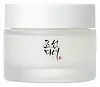
This barrier-repair moisturizer is formulated around Panax Ginseng Root Water and Niacinamide to strengthen the skin barrier.
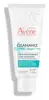
This moisturizer is formulated around Carthamus Tinctorius Seed Oil to hydrate skin.


What's inside
What's inside
 Key Ingredients
Benefits
Concerns
Ingredients Side-by-side
Water
Skin ConditioningOryza Sativa Bran Water
Masking
Glycerin
Humectant


Panax Ginseng Root Water
Masking

Hydrogenated Polydecene
Emollient1,2-Hexanediol
Skin Conditioning
Niacinamide
Smoothing







Squalane
Emollient
Butylene Glycol
Humectant
Propanediol
Solvent
Propylene Glycol Dicaprylate/Dicaprate
EmollientCetearyl Olivate


Sorbitan Olivate
Emulsifying
Ammonium Acryloyldimethyltaurate/Vp Copolymer
Xanthan Gum
EmulsifyingAcrylates/C10-30 Alkyl Acrylate Crosspolymer
Emulsion StabilisingTromethamine
BufferingCarthamus Tinctorius Seed Oil
Masking
Hydrogenated Coconut Oil
Emollient



Glyceryl Acrylate/Acrylic Acid Copolymer
HumectantEthylhexylglycerin
Skin ConditioningAdenosine
Skin Conditioning
Caprylic/Capric Triglyceride
Masking
Disodium EDTA
ChelatingHyaluronic Acid
Humectant
Hydrolyzed Hyaluronic Acid
Humectant
Sodium Hyaluronate
Humectant
Honey Extract
Humectant
Ceramide NP
Skin Conditioning
Hydrogenated Lecithin
Emulsifying
Coptis Japonica Root Extract
Skin ConditioningRaphanus Sativus Seed Extract
Skin ConditioningLycium Chinense Fruit Extract
Antioxidant
Theobroma Cacao Seed Extract
Antioxidant
Phellinus Linteus Extract
Skin ConditioningDextrin
AbsorbentScutellaria Baicalensis Root Extract
Astringent
Water, Oryza Sativa Bran Water, Glycerin, Panax Ginseng Root Water, Hydrogenated Polydecene, 1,2-Hexanediol, Niacinamide, Squalane, Butylene Glycol, Propanediol, Propylene Glycol Dicaprylate/Dicaprate, Cetearyl Olivate, Sorbitan Olivate, Ammonium Acryloyldimethyltaurate/Vp Copolymer, Xanthan Gum, Acrylates/C10-30 Alkyl Acrylate Crosspolymer, Tromethamine, Carthamus Tinctorius Seed Oil, Hydrogenated Coconut Oil, Glyceryl Acrylate/Acrylic Acid Copolymer, Ethylhexylglycerin, Adenosine, Caprylic/Capric Triglyceride, Disodium EDTA, Hyaluronic Acid, Hydrolyzed Hyaluronic Acid, Sodium Hyaluronate, Honey Extract, Ceramide NP, Hydrogenated Lecithin, Coptis Japonica Root Extract, Raphanus Sativus Seed Extract, Lycium Chinense Fruit Extract, Theobroma Cacao Seed Extract, Phellinus Linteus Extract, Dextrin, Scutellaria Baicalensis Root Extract
Water
Skin ConditioningCarthamus Tinctorius Seed Oil
Masking
Caprylic/Capric Triglyceride
Masking
Dimethicone
Emollient
PEG-12
HumectantButylene Glycol
Humectant
Glycerin
Humectant
1,2-Hexanediol
Skin Conditioning
Glyceryl Stearate
Emollient
PEG-100 Stearate
Surfactant
Cetyl Alcohol
Emollient
Glyceryl Linoleate
Emollient
Acrylates/C10-30 Alkyl Acrylate Crosspolymer
Emulsion StabilisingBenzoic Acid
Masking
Parfum
Masking

Glyceryl Linolenate
Emollient
Glyceryl Oleate
Emollient
Glyceryl Palmitate
EmollientGlycine Soja Oil
Emollient
Sodium Dextran Sulfate
Gel FormingSodium Hydroxide
BufferingTocopherol
Antioxidant
Tocopheryl Acetate
Antioxidant
Xanthan Gum
EmulsifyingWater, Carthamus Tinctorius Seed Oil, Caprylic/Capric Triglyceride, Dimethicone, PEG-12, Butylene Glycol, Glycerin, 1,2-Hexanediol, Glyceryl Stearate, PEG-100 Stearate, Cetyl Alcohol, Glyceryl Linoleate, Acrylates/C10-30 Alkyl Acrylate Crosspolymer, Benzoic Acid, Parfum, Glyceryl Linolenate, Glyceryl Oleate, Glyceryl Palmitate, Glycine Soja Oil, Sodium Dextran Sulfate, Sodium Hydroxide, Tocopherol, Tocopheryl Acetate, Xanthan Gum
Reviews
Ingredients Explained
These ingredients are found in both products.
Ingredients higher up in an ingredient list are typically present in a larger amount.
1,2-Hexanediol is a synthetic liquid and another multi-functional powerhouse.
It is a:
- Humectant, drawing moisture into the skin
- Emollient, helping to soften skin
- Solvent, dispersing and stabilizing formulas
- Preservative booster, enhancing the antimicrobial activity of other preservatives
Acrylates/C10-30 Alkyl Acrylate Crosspolymer is a synthetic polymer. It is used to thicken, emulsify, and improve the texture of products.
As an emulsifier, it helps stabilize oil-in-water emulsions to give products an elegant feel when applied.
It can also form a thin protective film on skin. One study found that a formula using this polymer helped slow down how quickly other ingredients (like DEET) were absorbed through skin.
A 2024 study of over 1,300 patients confirmed that sensitization to this ingredient is rare. It is also non-mutagenic and has a clean track record.
Learn more about Acrylates/C10-30 Alkyl Acrylate CrosspolymerButylene Glycol (or BG) is used within cosmetic products for a few different reasons:
Overall, Butylene Glycol is a safe and well-rounded ingredient that works well with other ingredients.
Though this ingredient works well with most skin types, some people with sensitive skin may experience a reaction such as allergic rashes, closed comedones, or itchiness.
Learn more about Butylene GlycolCaprylic/Capric Triglyceride (aka MCT Oil) is a lightweight emollient, solvent, and texture enhancer. It is considered a skin-softener by helping to prevent moisture loss.
Though it behaves like an oil, it is not technically one due to its chemical composition. One perk of this ingredient is that it is very stable, resistant to oxidation, and unlikely to go rancid.
In practice, that translates to a long shelf life and a consistently elegant skin feel.
While there is an assumption Caprylic Triglyceride can clog pores due to it being derived from coconut oil, there is no research supporting this. Just patch test if you have concerns.
Fractionated coconut oil and MCT Oil are both listed as Caprylic/Capric Triglyceride according to INCI. This is because INCI names are based on the ingredient’s final chemical composition and not its marketing name or source.
This ingredient is treated as the gold standard fungal acne safe oil. Even though it is coconut derived, the problematic lauric acid is stripped out.
This leaves just caprylic (C8) and capric (C10) acid. These chain lengths actually trend antifungal; a 2020 study found caprylic acid was enough to disrupt Malassezia furfur cell membrane, with a caprylic acid derivative damaging membrane structures at concentrations as low as 0.2%.
Learn more about Caprylic/Capric TriglycerideCarthamus Tinctorius Seed Oil comes from the seeds of the safflower plant. It is a skin conditioning agent that helps soften skin and keep it hydrated.
This seed oil has an unusual fatty acid profile: it is one of the highest linoleic acid plant oils out there (~55-77%). It also has low amounts of oleic acid, and this high-linoleic/low-oleic ratio gets people excited.
Linoleic acid helps maintain skin barrier integrity and is a building block for the ceramides in your stratum corneum. Notably, people with acne tend to have lower linoleic acid in their skin lipids as well (and this gets worse as acne gets more severe).
Overall, it's a lightweight, fast-absorbing oil that has a long safety track record. Lab testing has found it to be non-irritating for skin or eyes.
The Malassezia yeast can metabolize the fatty acids in this oil to grow; therefore this ingredient may not be fungal acne safe.
Learn more about Carthamus Tinctorius Seed OilGlycerin (or glycerol) is a compound naturally found in your skin. It's a powerhouse humectant that pulls water into the stratum corneum.
Topically, glycerin does several things at once:
Your skin makes glycerin on its own (mostly from sebaceous oil breakdown) and shuttles it to your outermost layer of skin, or your epidermis, via aquaporin-3.
Aquaporin-3 is a transporter that is essential for normal skin hydration, elasticity, and repair. Interestingly, mice lacking in AQP3 have dry and less elastic skin that can be fully corrected with glycerin.
This ingredient is non-irritating, plays well with almost every ingredient, and works across all skin types. Typical use is anywhere between 3-10% but can go up to 79% in some leave-on products.
Just know very high concentrations (>40%) can feel tacky in low humidity.
Glycerin is the name for this ingredient in American English. British English uses Glycerol/Glycerine.
Learn more about GlycerinWater. It's the most common cosmetic ingredient of all. You'll usually see it at the top of ingredient lists, meaning that it makes up the largest part of the product.
So why is it so popular? Water most often acts as a solvent - this means that it helps dissolve other ingredients into the formulation.
You'll also recognize water as that liquid we all need to stay alive. If you see this, drink a glass of water. Remember to stay hydrated!
Learn more about WaterXanthan gum is used as a stabilizer and thickener within cosmetic products. It helps give products a sticky, thick feeling - preventing them from being too runny.
On the technical side of things, xanthan gum is a polysaccharide - a combination consisting of multiple sugar molecules bonded together.
Xanthan gum is a pretty common and great ingredient. It is a natural, non-toxic, non-irritating ingredient that is also commonly used in food products.
Learn more about Xanthan Gum

