
What's inside
What's inside
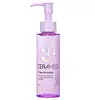 Key Ingredients
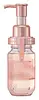
Benefits
Concerns
Ingredients Side-by-side
Cyclopentasiloxane
Emollient
Ethylhexyl Palmitate
Emollient




Dimethicone
Emollient
Dimethiconol
Emollient
Persea Gratissima Oil
Skin Conditioning

Argania Spinosa Kernel Oil
Emollient



Butyrospermum Parkii Butter
Skin Conditioning
Ceramide AP
Skin Conditioning


Ceramide Ng
Skin Conditioning
Ceramide NP
Skin Conditioning
Camellia Seed Oil
Tocopherol
Antioxidant


Phytosterols
Skin Conditioning
Simmondsia Chinensis Seed Oil
Emollient
Tocopheryl Acetate
Antioxidant
Meadowfoam Delta-Lactone
Skin ConditioningHydrogenated Lecithin
Emulsifying
Parfum
Masking


Cyclopentasiloxane, Ethylhexyl Palmitate, Dimethicone, Dimethiconol, Persea Gratissima Oil, Argania Spinosa Kernel Oil, Butyrospermum Parkii Butter, Ceramide AP, Ceramide Ng, Ceramide NP, Camellia Seed Oil, Tocopherol, Phytosterols, Simmondsia Chinensis Seed Oil, Tocopheryl Acetate, Meadowfoam Delta-Lactone, Hydrogenated Lecithin, Parfum
Cyclopentasiloxane
Emollient
Hydrogenated Polyisobutene
EmollientOryza Sativa Bran Oil
Emollient
Dimethiconol
Emollient
Dimethicone
Emollient
Honey
Humectant
Royal Jelly Extract
Skin Conditioning
Honey Extract
Humectant
Propolis Extract
Skin Conditioning

Hydrolyzed Honey Protein
Skin ConditioningGluconobacter/Honey Ferment Filtrate
Skin ConditioningKeratin
Skin ConditioningHydrolyzed Keratin
Humectant
Gamma-Docosalactone
Skin ConditioningRosa Damascena Flower Water
Masking
Argania Spinosa Kernel Oil
Emollient
Ceramide Ng
Skin Conditioning
Meadowfoam Delta-Lactone
Skin ConditioningCoco-Glucoside
Cleansing
Glycerin
Humectant
Tocopherol
Antioxidant
Caprylic/Capric Triglyceride
Masking
Bisabolol
Antioxidant
Butylene Glycol
Humectant
Dipropylene Glycol
HumectantWater
Skin ConditioningPPG-4-Ceteth-20
EmulsifyingPhenoxyethanol
Preservative
Parfum
Masking
Cyclopentasiloxane, Hydrogenated Polyisobutene, Oryza Sativa Bran Oil, Dimethiconol, Dimethicone, Honey, Royal Jelly Extract, Honey Extract, Propolis Extract, Hydrolyzed Honey Protein, Gluconobacter/Honey Ferment Filtrate, Keratin, Hydrolyzed Keratin, Gamma-Docosalactone, Rosa Damascena Flower Water, Argania Spinosa Kernel Oil, Ceramide Ng, Meadowfoam Delta-Lactone, Coco-Glucoside, Glycerin, Tocopherol, Caprylic/Capric Triglyceride, Bisabolol, Butylene Glycol, Dipropylene Glycol, Water, PPG-4-Ceteth-20, Phenoxyethanol, Parfum
Reviews
Ingredients Explained
These ingredients are found in both products.
Ingredients higher up in an ingredient list are typically present in a larger amount.
You may know this ingredient as argan oil. It has emollient and skin conditioning properties that help soften skin and reinforce the lipid barrier.
The fatty acid profile of argan oil is roughly 45-55% oleic acid, 28-36% linoleic acid, 10-15% palmitic acid, and 5-7% stearic acid. It also contains vitamin E, sterols, squalene, and polyphenols like ferulic acid.
Two clinical studies in postmenopausal women found that applying argan oil for 60 days significantly improved skin elasticity and moisturization (reduced transepidermal water loss and increased epidermal water content).
Since it is high in oleic and linoleic acid, this ingredient may not be fungal acne safe. Both of these fall in the C11-C24 range that Malassezia yeast can metabolize.
Learn more about Argania Spinosa Kernel OilCeramide NG is a type of Ceramide. The NG stands for a sphinganine base.
Ceramides are intercellular lipids naturally found in our skin that bonds dead skin cells together to create a barrier. They are known for their ability to hold water and thus are a great ingredient for dry skin.
Ceramides are an important building block for our skin barrier. A stronger barrier helps the skin look more firm and hydrated. By bolstering the skin ceramides act as a barrier against irritating ingredients. This can help with inflammation as well.
If you would like to eat ceramides, sweet potatoes contain a small amount.
Read more about other common types of ceramides here:
Ceramide AP
Ceramide EOP
Ceramide NP
Cyclopentasiloxane (D5) is a lightweight silicone that mostly acts as an emollient and solvent in cosmetics. Its the reason your products feel silky, fast-spreading, and non-greasy.
Since D5 is volatile, it does its thing and then evaporates off the skin quickly.
The safety profile of this ingredient is reassuring; the US CIR Expert Panel concluded D5 is safe as used in cosmetics and Health Canada concluded that D5 is not harmful to human health or the environment as currently used in cosmetics
There's a study that people mention about D5 in a rat study showing tumors. This study is related to long-term inhalation of high D5 levels.
Regulatory bodies have judged this study to be not applicable in topical skincare since skin absorption of D5 is very low and we're not really inhaling huge amounts of D5.
The only restriction for this ingredient is environmental. The European Chemicals Agency (ECHA) restricted D5 in wash-off cosmetics at or above 0.1% due to their persistence in water.
Learn more about CyclopentasiloxaneDimethicone is a type of synthetic silicone created from natural materials such as quartz. It is also known as polydimethylsiloxane.
What it does:
Dimethicone comes in different viscosities:
Depending on the viscosity, dimethicone has different properties.
Ingredients lists don't always show which type is used, so we recommend reaching out to the brand if you have questions about the viscosity.
This ingredient is unlikely to cause irritation because it does not get absorbed into skin. However, people with silicone allergies should be careful about using this ingredient.
Note: Dimethicone may contribute to pilling. This is because it is not oil or water soluble, so pilling may occur when layered with products. When mixed with heavy oils in a formula, the outcome is also quite greasy.
Learn more about DimethiconeDimethiconol is a silicone that resembles the popular dimethicone. Like other silicones, it is an emollient. Emollients create a thin film on skin to prevent moisture from escaping.
This ingredient helps to create a silky texture and improve spreadability. Due to its high molecular weight and thickness, it is often combined with cyclopentasiloxane.
We don't have a description for Meadowfoam Delta-Lactone yet.
Parfum is a catch-all term for an ingredient or more that is used to give a scent to products.
Also called "fragrance", this ingredient can be a blend of hundreds of chemicals or plant oils. This means every product with "fragrance" or "parfum" in the ingredients list is a different mixture.
For instance, Habanolide is a proprietary trade name for a specific aroma chemical. When used as a fragrance ingredient in cosmetics, most aroma chemicals fall under the broad labeling category of “FRAGRANCE” or “PARFUM” according to EU and US regulations.
The term 'parfum' or 'fragrance' is not regulated in many countries. In many cases, it is up to the brand to define this term.
For instance, many brands choose to label themselves as "fragrance-free" because they are not using synthetic fragrances. However, their products may still contain ingredients such as essential oils that are considered a fragrance by INCI standards.
One example is Calendula flower extract. Calendula is an essential oil that still imparts a scent or 'fragrance'.
Depending on the blend, the ingredients in the mixture can cause allergies and sensitivities on the skin. Some ingredients that are known EU allergens include linalool and citronellol.
Parfum can also be used to mask or cover an unpleasant scent.
The bottom line is: not all fragrances/parfum/ingredients are created equally. If you are worried about fragrances, we recommend taking a closer look at an ingredient. And of course, we always recommend speaking with a professional.
Learn more about ParfumTocopherol is a fat-soluble antioxidant known as Vitamin E.
You'll find this ingredient in the vast majority of skincare (for good reason). It works to neutralize free radicals, or unstable molecules generated by UV exposure, pollution, and other environmental stressors, before they can cause oxidative damage to your skin cells.
Topically applied tocopherol has been shown to protect against UV damage by ramping up the skin's own natural defense enzymes.
It also acts as a skin conditioning agent; some studies show that regular topical use can improve the skin's water-binding capacity over 2-4 weeks.
This ingredient is especially loved for being a team player. When combined with Vitamin C, the photoprotective effect of both ingredients roughly doubles and the combo also helps reduce UV-induced DNA damage.
This ingredient has some brightening potential but it's more of a prevention ingredient than spot-fader. Cell studies show it can slow down melanin production but it's worth noting that it's not the most powerful brightener out there.
In formulations, it also serves as a stabilizer that helps protect other oxidation-prone ingredients from degrading.
Concentrations usually range from 0.1-1% in most leave-on products.
Learn more about Tocopherol

