

What's inside
What's inside
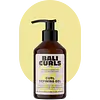 Benefits
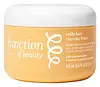
Concerns
Ingredients Side-by-side
Water
Skin ConditioningGlycerin
Humectant


Hydrolyzed Corn Starch
HumectantXanthan Gum
EmulsifyingPolyglyceryl-4 Caprate
EmulsifyingPolyglyceryl-6 Caprate
CleansingPropylene Glycol
Humectant

Betaine
Humectant
Panthenol
Skin Conditioning
Sodium Benzoate
Masking
Parfum
Masking


Magnesium Sulfate
Gellan Gum
Potassium Sorbate
Preservative
Citric Acid
Buffering

Sodium Citrate
BufferingLinalool
Perfuming
Limonene
Perfuming
Biosaccharide Gum-1
Humectant
Sodium Levulinate
Skin ConditioningGeraniol
Perfuming
Glyceryl Caprylate
EmollientLinum Usitatissimum Seed Extract
Perfuming
Sodium Anisate
AntimicrobialCananga Odorata Flower Extract
Perfuming
Water, Glycerin, Hydrolyzed Corn Starch, Xanthan Gum, Polyglyceryl-4 Caprate, Polyglyceryl-6 Caprate, Propylene Glycol, Betaine, Panthenol, Sodium Benzoate, Parfum, Magnesium Sulfate, Gellan Gum, Potassium Sorbate, Citric Acid, Sodium Citrate, Linalool, Limonene, Biosaccharide Gum-1, Sodium Levulinate, Geraniol, Glyceryl Caprylate, Linum Usitatissimum Seed Extract, Sodium Anisate, Cananga Odorata Flower Extract
Water
Skin ConditioningGlycerin
Humectant
Polyacrylate Crosspolymer-6
Emulsion StabilisingPPG-5-Ceteth-20
EmulsifyingHydrolyzed Ceratonia Siliqua Seed Extract
Skin ConditioningCaesalpinia Spinosa Fruit Extract
Skin ProtectingHelianthus Annuus Sprout Extract
Skin ConditioningPanthenol
Skin Conditioning
Guar Hydroxypropyltrimonium Chloride
Skin ConditioningZea Mays Starch
Absorbent
Acacia Senegal Gum
MaskingPvp
Emulsion StabilisingXanthan Gum
EmulsifyingMaltodextrin/Vp Copolymer
Ethylhexylglycerin
Skin ConditioningPropylene Glycol
Humectant
Benzoic Acid
Masking
Disodium EDTA
ChelatingDehydroacetic Acid
Preservative
Phenoxyethanol
Preservative
Sodium Benzoate
Masking
Parfum
Masking
Potassium Sorbate
Preservative
Polyquaternium-7
T-Butyl Alcohol
Perfuming

Linalool
Perfuming
Limonene
Perfuming
Hexyl Cinnamal
Perfuming
Benzyl Salicylate
Perfuming
Amyl Cinnamal
Perfuming
Citral
Perfuming
Water, Glycerin, Polyacrylate Crosspolymer-6, PPG-5-Ceteth-20, Hydrolyzed Ceratonia Siliqua Seed Extract, Caesalpinia Spinosa Fruit Extract, Helianthus Annuus Sprout Extract, Panthenol, Guar Hydroxypropyltrimonium Chloride, Zea Mays Starch, Acacia Senegal Gum, Pvp, Xanthan Gum, Maltodextrin/Vp Copolymer, Ethylhexylglycerin, Propylene Glycol, Benzoic Acid, Disodium EDTA, Dehydroacetic Acid, Phenoxyethanol, Sodium Benzoate, Parfum, Potassium Sorbate, Polyquaternium-7, T-Butyl Alcohol, Linalool, Limonene, Hexyl Cinnamal, Benzyl Salicylate, Amyl Cinnamal, Citral
Ingredients Explained
These ingredients are found in both products.
Ingredients higher up in an ingredient list are typically present in a larger amount.
Glycerin (or glycerol) is a compound naturally found in your skin. It's a powerhouse humectant that pulls water into the stratum corneum.
Topically, glycerin does several things at once:
Your skin makes glycerin on its own (mostly from sebaceous oil breakdown) and shuttles it to your outermost layer of skin, or your epidermis, via aquaporin-3.
Aquaporin-3 is a transporter that is essential for normal skin hydration, elasticity, and repair. Interestingly, mice lacking in AQP3 have dry and less elastic skin that can be fully corrected with glycerin.
This ingredient is non-irritating, plays well with almost every ingredient, and works across all skin types. Typical use is anywhere between 3-10% but can go up to 79% in some leave-on products.
Just know very high concentrations (>40%) can feel tacky in low humidity.
Glycerin is the name for this ingredient in American English. British English uses Glycerol/Glycerine.
Learn more about GlycerinLimonene is the compound that gives citrus peel its smell.
In skincare, it shows up as a standalone fragrance ingredient or as a natural compound of citrus and other essential oils.
You'll typically see this ingredient used in very small amounts; anything above 0.001% in a leave-on product or 0.01% in a rinse-off has to be named on the label in the EU. The citrus oils that carry it sit around 0.5-1% in a finished formula.
Fresh limonene is a weak allergen; the real issue is that it slowly reacts with air and then breaks down from oxidation to create hydroperoxides (which are strong sensitizers). This is why suppliers are required to keep the peroxide value below 20 mmol.
Positive reactions in people being investigated for eczema vary:
It's worth skipping if you have a known fragrance allergy or a compromised barrier, but the risk is low for most people.
Older or long-opened products are also more likely to bother you than fresh ones due to oxidation.
Learn more about LimoneneLinalool is a small, naturally occurring scent molecule found in plants like lavender, coriander, bergamot, and more.
It is one of the two most-used fragrance ingredients in cosmetics and added purely for smell. Since it's not used for a skin benefit, there's no "effective dose". Concentration depends on the fragrance load of the product.
The EU requires it to be named on the label above 0.001% in leave-on and 0.01% in rinse-off products.
Fresh linalool is a weak sensitizer but air exposure turns some of it into hydroperoxides, which are strong sensitizers. Those oxidation products are the actual allergy concern.
Patch-test clinics see positive reactions to linalool hydroperoxides in about 4% to 12% of dermatitis patients depending on country and test concentration.
Resassuringly, one analytical study found hydroperoxide levels in real fragranced products to be orders of magnitude below what induced sensitization in animal studies with no evidence of oxidation building up during normal storage.
The practical takeaway is that linalool is fine for most people but worth avoiding if you have a confirmed fragrance contact allergy or a badly compromised barrier.
Products stored a long time after opening are also the high-risk scenario since that is when oxidation happens.
The scent of linalool is described as floral, spicy tropical, and citrus-like.
Learn more about LinaloolPanthenol is a common ingredient that helps hydrate and soothe the skin. It is found naturally in our skin and hair.
There are two forms of panthenol: D and L.
D-panthenol is also known as dexpanthenol. Most cosmetics use dexpanthenol or a mixture of D and L-panthenol.
Panthenol is famous due to its ability to go deeper into the skin's layers. Using this ingredient has numerous pros (and no cons):
Like hyaluronic acid, panthenol is a humectant. Humectants are able to bind and hold large amounts of water to keep skin hydrated.
This ingredient works well for wound healing. It works by increasing tissue in the wound and helps close open wounds.
Once oxidized, panthenol converts to pantothenic acid. Panthothenic acid is found in all living cells.
This ingredient is also referred to as pro-vitamin B5.
Learn more about PanthenolParfum is a catch-all term for an ingredient or more that is used to give a scent to products.
Also called "fragrance", this ingredient can be a blend of hundreds of chemicals or plant oils. This means every product with "fragrance" or "parfum" in the ingredients list is a different mixture.
For instance, Habanolide is a proprietary trade name for a specific aroma chemical. When used as a fragrance ingredient in cosmetics, most aroma chemicals fall under the broad labeling category of “FRAGRANCE” or “PARFUM” according to EU and US regulations.
The term 'parfum' or 'fragrance' is not regulated in many countries. In many cases, it is up to the brand to define this term.
For instance, many brands choose to label themselves as "fragrance-free" because they are not using synthetic fragrances. However, their products may still contain ingredients such as essential oils that are considered a fragrance by INCI standards.
One example is Calendula flower extract. Calendula is an essential oil that still imparts a scent or 'fragrance'.
Depending on the blend, the ingredients in the mixture can cause allergies and sensitivities on the skin. Some ingredients that are known EU allergens include linalool and citronellol.
Parfum can also be used to mask or cover an unpleasant scent.
The bottom line is: not all fragrances/parfum/ingredients are created equally. If you are worried about fragrances, we recommend taking a closer look at an ingredient. And of course, we always recommend speaking with a professional.
Learn more about ParfumPotassium Sorbate is a preservative used to prevent yeast and mold in products. It is commonly found in both cosmetic and food products.
This ingredient comes from potassium salt derived from sorbic acid. Sorbic acid is a natural antibiotic and effective against fungus.
Both potassium sorbate and sorbic acid can be found in baked goods, cheeses, dried meats, dried fruit, ice cream, pickles, wine, yogurt, and more.
You'll often find this ingredient used with other preservatives.
Learn more about Potassium SorbatePropylene Glycol is a synthetic, colorless, odorless liquid that has been a staple in cosmetics for decades. It is a skin conditioning agent, humectant, and solvent.
As a humectant, it draw water to the skin to reduce flaking and restore suppleness. It's also a solvent that helps dissolve other actives and keeps formulas stable across temperature changes.
The CIR Expert Panel has confirmed this ingredient to be nontoxic and clinical studies show no sensitization at cosmetic use concentrations.
True allergic reactions are quite rare: a 15-year retrospective study of 6,751 patients found only 0.31% had a positive reaction (and less than half were considered clinically relevant).
It seemed that when sensitization does occur, it's most commonly linked to topical medication (like corticosteroids) and not cosmetics. Allergic contact dermatitis also appears largely limited to individuals with underlying skin conditions.
Overall, propylene glycol is a well-studied ingredient that most people can tolerate without issue.
Learn more about Propylene GlycolSodium Benzoate is a preservative. It's used in both cosmetic and food products to inhibit the growth of mold and bacteria. It is typically produced synthetically.
Both the US FDA and EU Health Committee have approved the use of sodium benzoate. In the US, levels of 0.1% (of the total product) are allowed.
Sodium benzoate works as a preservative by inhibiting the growth of bacteria inside of cells. It prevents the cell from fermenting a type of sugar using an enzyme called phosphofructokinase.
It is the salt of benzoic acid. Foods containing sodium benzoate include soda, salad dressings, condiments, fruit juices, wines, and snack foods.
Studies for using ascorbic acid and sodium benzoate in cosmetics are lacking, especially in skincare routines with multiple steps.
We always recommend speaking with a professional, such as a dermatologist, if you have any concerns.
Learn more about Sodium BenzoateWater. It's the most common cosmetic ingredient of all. You'll usually see it at the top of ingredient lists, meaning that it makes up the largest part of the product.
So why is it so popular? Water most often acts as a solvent - this means that it helps dissolve other ingredients into the formulation.
You'll also recognize water as that liquid we all need to stay alive. If you see this, drink a glass of water. Remember to stay hydrated!
Learn more about WaterXanthan gum is used as a stabilizer and thickener within cosmetic products. It helps give products a sticky, thick feeling - preventing them from being too runny.
On the technical side of things, xanthan gum is a polysaccharide - a combination consisting of multiple sugar molecules bonded together.
Xanthan gum is a pretty common and great ingredient. It is a natural, non-toxic, non-irritating ingredient that is also commonly used in food products.
Learn more about Xanthan Gum

