B.LAB Matcha Hydrating Real Sun Stick SPF 50+ Versus Thank You Farmer Sun Project Silky Calming Sun Stick SPF 50+ PA++++
This chemical sunscreen covers the full UV range and blocks ~98% of UVB at SPF 50.
This chemical sunscreen covers the full UV range and blocks ~98% of UVB at SPF 50.

What's inside
What's inside
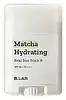 Key Ingredients
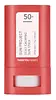
Benefits
Concerns
Ingredients Side-by-side
Water
Skin ConditioningDicaprylyl Carbonate
EmollientSynthetic Wax
Abrasive

Dibutyl Adipate
EmollientDipropylene Glycol
HumectantDiethylamino Hydroxybenzoyl Hexyl Benzoate
UV Filter
Butyloctyl Salicylate
Skin Conditioning
Ethylhexyl Triazone
UV Absorber
Bis-Ethylhexyloxyphenol Methoxyphenyl Triazine
Skin Conditioning
Vinyl Dimethicone/Methicone Silsesquioxane Crosspolymer


Ozokerite
Emulsion StabilisingBisabolol
Antioxidant





Polyglyceryl-4 Diisostearate/Polyhydroxystearate/Sebacate
Emulsifying

Sodium Chloride
MaskingLauryl Polyglyceryl-3 Polydimethylsiloxyethyl Dimethicone
Skin Conditioning
Caprylyl Glycol
Emollient
1,2-Hexanediol
Skin Conditioning
Mesembryanthemum Crystallinum Extract
HumectantEthylhexylglycerin
Skin ConditioningAdenosine
Skin Conditioning
Water, Dicaprylyl Carbonate, Synthetic Wax, Dibutyl Adipate, Dipropylene Glycol, Diethylamino Hydroxybenzoyl Hexyl Benzoate, Butyloctyl Salicylate, Ethylhexyl Triazone, Bis-Ethylhexyloxyphenol Methoxyphenyl Triazine, Vinyl Dimethicone/Methicone Silsesquioxane Crosspolymer, Ozokerite, Bisabolol, Polyglyceryl-4 Diisostearate/Polyhydroxystearate/Sebacate, Sodium Chloride, Lauryl Polyglyceryl-3 Polydimethylsiloxyethyl Dimethicone, Caprylyl Glycol, 1,2-Hexanediol, Mesembryanthemum Crystallinum Extract, Ethylhexylglycerin, Adenosine
Methyl Methacrylate Crosspolymer
Polyethylene
Abrasive
Caprylyl Methicone
Skin Conditioning
Coco-Caprylate/Caprate
Emollient
Ethylhexyl Palmitate
Emollient
Isopropyl Palmitate
Emollient
Dicaprylyl Carbonate
EmollientSynthetic Fluorphlogopite
Dibutyl Adipate
EmollientDiethylamino Hydroxybenzoyl Hexyl Benzoate
UV Filter
Ozokerite
Emulsion StabilisingVinyl Dimethicone/Methicone Silsesquioxane Crosspolymer
Ethylhexyl Triazone
UV Absorber
Vinyldimethicone
Polysilicone-15
UV Filter
Bis-Ethylhexyloxyphenol Methoxyphenyl Triazine
Skin Conditioning
Centella Asiatica Extract
Cleansing
Glyceryl Caprylate
EmollientPolyglyceryl-4 Diisostearate/Polyhydroxystearate/Sebacate
Emulsifying
Triethoxycaprylylsilane
Tocopherol
Antioxidant


Calamine
AbsorbentMadecassic Acid
Skin Conditioning
Asiaticoside
Antioxidant
Asiatic Acid
Skin Conditioning
Parfum
Masking


Methyl Methacrylate Crosspolymer, Polyethylene, Caprylyl Methicone, Coco-Caprylate/Caprate, Ethylhexyl Palmitate, Isopropyl Palmitate, Dicaprylyl Carbonate, Synthetic Fluorphlogopite, Dibutyl Adipate, Diethylamino Hydroxybenzoyl Hexyl Benzoate, Ozokerite, Vinyl Dimethicone/Methicone Silsesquioxane Crosspolymer, Ethylhexyl Triazone, Vinyldimethicone, Polysilicone-15, Bis-Ethylhexyloxyphenol Methoxyphenyl Triazine, Centella Asiatica Extract, Glyceryl Caprylate, Polyglyceryl-4 Diisostearate/Polyhydroxystearate/Sebacate, Triethoxycaprylylsilane, Tocopherol, Calamine, Madecassic Acid, Asiaticoside, Asiatic Acid, Parfum
Reviews
Ingredients Explained
These ingredients are found in both products.
Ingredients higher up in an ingredient list are typically present in a larger amount.
This ingredient is better known as bemotrizinol or Tinosorb S and is one of the best broad-spectrum UV filters in modern sunscreen.
It works by absorbing UV light across a whole range (280-400 nm) with peaks around 310 nm (UVB) and 340-345 nm (UVA). This means it covers UVB plus the deeper UVA wavelengths that drive photoaging and pigmentation.
Another pro?
It's exceptionally photostable, barely degrades in sunlight, and acts as a "bodyguard" for less stable filters.
That's why you'll see it paired with avobenzone or octinoxate; this team up ensures they keep working through sun exposure.
Safety reviews have been reassuring across the board. This ingredient shows low absorption through the skin, rarely irritates, and lab studies found it doesn't act like a hormone in the body (a concern that's been raised about some older sunscreen filters).
On maximum concentrations:
In 2026, the US F.D.A finally added it as an OTC sunscreen ingredient at concentrations up to 6% for adults / children 6 months and older
Learn more about Bis-Ethylhexyloxyphenol Methoxyphenyl TriazineDibutyl Adipate is a lightweight, oil-soluble ester that acts as an emollient and solvent. It helps products spread more easily and leaves a soft, silky, dry-touch finish without being greasy.
You'll likely see this ingredient in sunscreens because it does a nice job dissolving UV filters and keeping them evenly distributed.
This ingredient has been found to be safe as used in cosmetics, wasn't a skin or eye irritant in clinical patch testing, and wasn't phototoxic.
In a clinical comedogenicity test, this ingredient tested negative so it isn't likely to clog pores.
Typical use levels are about 5-8% for sunscreens + nail products, but can range from 0.005%-8% depending on the product.
Learn more about Dibutyl AdipateDicaprylyl Carbonate comes from carbonic acid and caprylyl alcohol, a fatty alcohol. It is an emollient and gives skin a velvet feel. The sources of Dicaprylyl Carbonate may be synthetic or from animals.
As an emollient, Dicaprylyl Carbonate creates a film on the skin. This film traps moisture in, keeping your skin soft and hydrated.
Diethylamino Hydroxybenzoyl Hexyl Benzoate (DHHB) is a chemical UV-A absorber. It is formulated for high UVA protection (320-400 nm).
DHHB is well-liked for:
DHHB has been approved by the EU, Japan, Taiwan, and South America for use up to 10%. Unfortunately, it has not been approved for use in the US or Canada due to slow regulatory processes.
This ingredient is soluble in oils, fats, and lipids.
Learn more about Diethylamino Hydroxybenzoyl Hexyl BenzoateEthylhexyl Triazone (aka Octyl Triazone) is an oil-soluble organic UVB filter. It has peak absorption around 314 nm, right in the middle of the UVB range.
This ingredient is described as one of the most effective UVB filters available and small concentrations are enough to deliver a high SPF thanks to its strong UV absorbing power.
Formulators love it for its stability; its ability to filter UV stays practically unchanged even under intense radiation and it can also help boost the photostability of less stable filters like avobenzone.
It's also a great pick for water resistant products because it's insoluble in water and has a good affinity for keratin.
Because it's a big, heavy molecule, the European Scientific Committee has found to to have very low dermal penetration and negative results for allergenicity.
In vitro testing also showed a low absorption rate and clean results on irritation.
Typical use levels are 1-5% with 5% being the maximum in the EU, Japan, and other markets that allow it. However, this ingredient is not approved yet in the US or Canada.
Learn more about Ethylhexyl TriazoneOzokerite is a naturally occuring mineral wax. In cosmetics, ozokerite is used as a texture enhancer.
Ceresin wax is derived from this ingredient.
The melting point of ozokerite is 58-100 C.
Ozokerite is found all over the world including Scotland, the US, and India.
Learn more about OzokeriteThis ingredient is a water-in-oil emulsifier and is sometimes known by its trade name, Isolan GPS. It helps create stable emulsions by bridging oil and water phases without adding a greasy feel.
Common usage levels sit between 2-5% for this ingredient.
This ingredient is used in makeup and skincare to thicken formulas, reduce shine, and give skin a silky-smooth feel.
It’s a white silicone powder that sits in fine lines and pores to blur their appearance though its effectiveness depends on the particle size.
You'll typically find this ingredient in amounts between 0.1-20%.
Learn more about Vinyl Dimethicone/Methicone Silsesquioxane Crosspolymer

