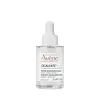
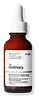
Avène Cicalfate+ Intensive Skin Restorative Serum Versus The Ordinary Soothing & Barrier Support Serum
This barrier-repair serum is formulated around Panthenol and 4-T-Butylcyclohexanol to strengthen the skin barrier and calm redness.
This barrier-repair serum is formulated around Niacinamide and Asiaticoside to strengthen the skin barrier and calm redness.


What's inside
What's inside
 Key Ingredients
No key ingredients
Benefits
Concerns
Ingredients Side-by-side
Water
Skin ConditioningGlycerin
Humectant


Pentylene Glycol
Skin Conditioning
Propanediol
Solvent
1,2-Hexanediol
Skin Conditioning
Panthenol
Skin Conditioning

4-T-Butylcyclohexanol
Masking

Octyldodecanol
Emollient
Pantolactone
Humectant
Betaine
Humectant
Citric Acid
Buffering


Hydroxyethyl Acrylate/Sodium Acryloyldimethyl Taurate Copolymer
Emulsion StabilisingPolysorbate 60
Emulsifying
Sodium Citrate
BufferingSorbitan Isostearate
Emulsifying
Xanthan Gum
EmulsifyingWater
Skin ConditioningPropanediol
Solvent
Isodecyl Neopentanoate
EmollientPentylene Glycol
Skin Conditioning
Niacinamide
Smoothing






Hexyldecanol
Emollient
Cetearyl Alcohol
Emollient



Xylitylglucoside
Humectant
Ceteth-20 Phosphate
CleansingAnhydroxylitol
Humectant
Ethyl Linoleate
Emollient
Asiaticoside
Antioxidant
Asiatic Acid
Skin Conditioning
Madecassic Acid
Skin Conditioning
Naringenin
Skin ConditioningCyanocobalamin
Skin ConditioningPanthenyl Triacetate
4-T-Butylcyclohexanol
Masking
Hydroxyphenyl Propamidobenzoic Acid
Skin ConditioningCetylhydroxyproline Palmitamide
Skin ConditioningBisabolol
Antioxidant
Brassica Campestris Sterols
EmollientSphingolipids
Emollient
Phospholipids
Skin Conditioning
Epigallocatechin Gallatyl Glucoside
Antioxidant
Gallyl Glucoside
Antioxidant
Propyl Gallate
Antioxidant
Xylitol
Humectant
Zingiber Officinale Root Extract
Masking
Stearic Acid
Cleansing
Dicetyl Phosphate
EmulsifyingIsoceteth-20
EmulsifyingXanthan Gum
EmulsifyingTrisodium Ethylenediamine Disuccinate
ChelatingTocopherol
Antioxidant
Dehydroacetic Acid
Preservative
P-Anisic Acid
MaskingPhytic Acid
Chelating
Sodium Phytate
ChelatingSodium Citrate
BufferingSodium Hydroxide
BufferingBenzyl Alcohol
Perfuming

Ethylhexylglycerin
Skin ConditioningPhenoxyethanol
Preservative
Chlorphenesin
Antimicrobial
Water, Propanediol, Isodecyl Neopentanoate, Pentylene Glycol, Niacinamide, Hexyldecanol, Cetearyl Alcohol, Xylitylglucoside, Ceteth-20 Phosphate, Anhydroxylitol, Ethyl Linoleate, Asiaticoside, Asiatic Acid, Madecassic Acid, Naringenin, Cyanocobalamin, Panthenyl Triacetate, 4-T-Butylcyclohexanol, Hydroxyphenyl Propamidobenzoic Acid, Cetylhydroxyproline Palmitamide, Bisabolol, Brassica Campestris Sterols, Sphingolipids, Phospholipids, Epigallocatechin Gallatyl Glucoside, Gallyl Glucoside, Propyl Gallate, Xylitol, Zingiber Officinale Root Extract, Stearic Acid, Dicetyl Phosphate, Isoceteth-20, Xanthan Gum, Trisodium Ethylenediamine Disuccinate, Tocopherol, Dehydroacetic Acid, P-Anisic Acid, Phytic Acid, Sodium Phytate, Sodium Citrate, Sodium Hydroxide, Benzyl Alcohol, Ethylhexylglycerin, Phenoxyethanol, Chlorphenesin
Reviews
Ingredients Explained
These ingredients are found in both products.
Ingredients higher up in an ingredient list are typically present in a larger amount.
4-T-Butylcyclohexanol has skin soothing and perfuming/masking properties.
A study from 2016 found it to have skin-soothing properties both in-vivo and in-vitro. It works by intercepting the signals of irritation and can soothe the skin in a few minutes.
According to a manufacturer, this ingredient has a scent similar to musk or patchouli. Besides having a skin soothing effect, it can also help cover other unpleasant scents as a masking ingredient.
Learn more about 4-T-ButylcyclohexanolPentylene Glycol (1,2-pentanediol) is a multitasking little diol with three main roles in a formula:
Research on alkanediols (the family pentylene glycol belongs to) show they work by disrupting microbial cell membranes. This disruption helps the primary preservative system in a product work more effectively at lower doses.
On the safety side, the Cosmetic Ingredient Review Expert Panel has concluded this ingredient to be safe as used in current cosmetic practices + concentrations.
Typical use levels in a formula run about 1-5%.
Learn more about Pentylene GlycolPropanediol is an all-star ingredient. It softens, hydrates, and smooths the skin.
It’s often used to:
Propanediol is not likely to cause sensitivity and considered safe to use. It is derived from corn or petroleum with a clear color and no scent.
Learn more about PropanediolSodium Citrate is the sodium salts of citric acid. In skincare, it is used to alter pH levels and acts as a preservative.
Its main functions are to maintain the pH of a product and neutralize metal ions.
The acidity of our skin is maintained by our glands and skin biome; normal pH level of skin is slightly acidic (~4.75-5.5).
Being slightly acidic allows our skin to create an "acid mantle". This acid mantle is a thin barrier that protects our skin from bacteria and contaminants.
Learn more about Sodium CitrateWater. It's the most common cosmetic ingredient of all. You'll usually see it at the top of ingredient lists, meaning that it makes up the largest part of the product.
So why is it so popular? Water most often acts as a solvent - this means that it helps dissolve other ingredients into the formulation.
You'll also recognize water as that liquid we all need to stay alive. If you see this, drink a glass of water. Remember to stay hydrated!
Learn more about WaterXanthan gum is used as a stabilizer and thickener within cosmetic products. It helps give products a sticky, thick feeling - preventing them from being too runny.
On the technical side of things, xanthan gum is a polysaccharide - a combination consisting of multiple sugar molecules bonded together.
Xanthan gum is a pretty common and great ingredient. It is a natural, non-toxic, non-irritating ingredient that is also commonly used in food products.
Learn more about Xanthan Gum

