
What's inside
What's inside
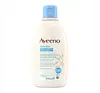 Key Ingredients
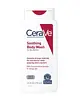
Benefits
Concerns
Ingredients Side-by-side
Water
Skin ConditioningSodium Trideceth Sulfate
Cleansing
Glycerin
Humectant



Caprylic/Capric Triglyceride
Masking
Sodium Lauroamphoacetate
CleansingAvena Sativa Kernel Flour
Abrasive

Laureth-2
CleansingSodium Chloride
Masking


Citric Acid
Buffering


Avena Sativa Kernel Extract
Abrasive


Ceramide NP
Skin Conditioning

Panthenol
Skin Conditioning
Guar Hydroxypropyltrimonium Chloride
Skin ConditioningXanthan Gum
EmulsifyingSodium Hydroxide
BufferingPhenoxyethanol
Preservative
Potassium Sorbate
Preservative
Sodium Benzoate
Masking
Water, Sodium Trideceth Sulfate, Glycerin, Caprylic/Capric Triglyceride, Sodium Lauroamphoacetate, Avena Sativa Kernel Flour, Laureth-2, Sodium Chloride, Citric Acid, Avena Sativa Kernel Extract, Ceramide NP, Panthenol, Guar Hydroxypropyltrimonium Chloride, Xanthan Gum, Sodium Hydroxide, Phenoxyethanol, Potassium Sorbate, Sodium Benzoate
Glycine Soja Oil
Emollient


Ricinus Communis Seed Oil
Masking
Laureth-4
Emulsifying
Silica Dimethyl Silylate
EmollientLaureth-7 Citrate
CleansingWater
Skin ConditioningUrea
Buffering

Ceramide NP
Skin Conditioning
Ceramide AP
Skin Conditioning
Ceramide EOP
Skin Conditioning
Carbomer
Emulsion StabilisingSodium PCA
Humectant
Sodium Lauroyl Lactylate
EmulsifyingSodium Hyaluronate
Humectant
Cholesterol
Emollient
Phenoxyethanol
Preservative
Tocopheryl Acetate
Antioxidant
Tocopherol
Antioxidant
Citric Acid
Buffering
Hydrogenated Palm Glycerides Citrate
Emollient
Hydrogenated Castor Oil
Emollient
Phytosphingosine
Skin Conditioning
Xanthan Gum
EmulsifyingEthylhexylglycerin
Skin ConditioningGlycine Soja Oil, Ricinus Communis Seed Oil, Laureth-4, Silica Dimethyl Silylate, Laureth-7 Citrate, Water, Urea, Ceramide NP, Ceramide AP, Ceramide EOP, Carbomer, Sodium PCA, Sodium Lauroyl Lactylate, Sodium Hyaluronate, Cholesterol, Phenoxyethanol, Tocopheryl Acetate, Tocopherol, Citric Acid, Hydrogenated Palm Glycerides Citrate, Hydrogenated Castor Oil, Phytosphingosine, Xanthan Gum, Ethylhexylglycerin
Reviews
Ingredients Explained
These ingredients are found in both products.
Ingredients higher up in an ingredient list are typically present in a larger amount.
Ceramide NP is a type of ceramide and formally known as ceramide 3.
Ceramides are intercellular lipids naturally found in our skin that bonds dead skin cells together to create a barrier. They are known for their ability to hold water and thus are a great ingredient for dry skin.
Ceramides are an important building block for our skin barrier. A stronger barrier helps the skin look more firm and hydrated. By bolstering the skin ceramides act as a barrier against irritating ingredients. This can help with inflammation as well.
If you would like to eat ceramides, sweet potatoes contain a small amount.
Read more about other common types of ceramides here:
Ceramide AP
Ceramide EOP
Citric Acid is an alpha hydroxy acid (AHA) naturally found in citrus fruits like oranges, lemons, and limes.
Like other AHAs, citric acid can exfoliate skin by breaking down the bonds that hold dead skin cells together. This helps reveal smoother and brighter skin underneath.
However, this exfoliating effect only happens at high concentrations (20%) which can be hard to find in cosmetic products.
Due to this, citric acid is usually included in small amounts as a pH adjuster. This helps keep products slightly more acidic and compatible with skin's natural pH.
In skincare formulas, citric acid can:
While it can provide some skin benefits, research shows lactic acid and glycolic acid are generally more effective and less irritating exfoliants.
Most citric acid used in skincare today is made by fermenting sugars (usually from molasses). This synthetic version is identical to the natural citrus form but easier to stabilize and use in formulations.
Read more about some other popular AHA's here:
Learn more about Citric AcidPhenoxyethanol is a preservative that has germicide, antimicrobial, and aromatic properties. Studies show that phenoxyethanol can prevent microbial growth. By itself, it has a scent that is similar to that of a rose.
It's often used in formulations along with Caprylyl Glycol to preserve the shelf life of products.
Water. It's the most common cosmetic ingredient of all. You'll usually see it at the top of ingredient lists, meaning that it makes up the largest part of the product.
So why is it so popular? Water most often acts as a solvent - this means that it helps dissolve other ingredients into the formulation.
You'll also recognize water as that liquid we all need to stay alive. If you see this, drink a glass of water. Stay hydrated!
Learn more about WaterXanthan gum is used as a stabilizer and thickener within cosmetic products. It helps give products a sticky, thick feeling - preventing them from being too runny.
On the technical side of things, xanthan gum is a polysaccharide - a combination consisting of multiple sugar molecules bonded together.
Xanthan gum is a pretty common and great ingredient. It is a natural, non-toxic, non-irritating ingredient that is also commonly used in food products.
Learn more about Xanthan Gum
