
What's inside
What's inside
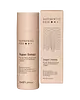 Key Ingredients
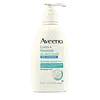
Benefits
Concerns
No concerns
Ingredients Side-by-side
Water
Skin ConditioningSqualane
Emollient


Panthenol
Skin Conditioning


Propanediol
Solvent
Ectoin
Skin Conditioning
Glyceryl Glucoside
Humectant
Betaine
Humectant
Ammonium Polyacryloyldimethyl Taurate
Emulsion StabilisingCyclopentasiloxane
Emollient
Xylitylglucoside
Humectant
Anhydroxylitol
Humectant
Xylitol
Humectant
Inulin
Skin Conditioning
Alpha-Glucan Oligosaccharide
Cleansing
Acetyl Heptapeptide-4
Humectant

Benzylsulfonyl D-Seryl Homophenylalanine Amidinobenzamide Acetate
Skin ConditioningPolyglutamic Acid
Skin Conditioning
Sodium DNA
Skin Conditioning
Trehalose
Humectant
1,2-Hexanediol
Skin Conditioning
Caprylhydroxamic Acid
ChelatingTremella Fuciformis Sporocarp Extract
Antioxidant
Caprylyl Glycol
Emollient
Tocopheryl Acetate
Antioxidant

Water, Squalane, Panthenol, Propanediol, Ectoin, Glyceryl Glucoside, Betaine, Ammonium Polyacryloyldimethyl Taurate, Cyclopentasiloxane, Xylitylglucoside, Anhydroxylitol, Xylitol, Inulin, Alpha-Glucan Oligosaccharide, Acetyl Heptapeptide-4, Benzylsulfonyl D-Seryl Homophenylalanine Amidinobenzamide Acetate, Polyglutamic Acid, Sodium DNA, Trehalose, 1,2-Hexanediol, Caprylhydroxamic Acid, Tremella Fuciformis Sporocarp Extract, Caprylyl Glycol, Tocopheryl Acetate
Water
Skin ConditioningGlycerin
Humectant
Isopropyl Palmitate
Emollient




Butyrospermum Parkii Butter
Skin Conditioning
Vegetable Oil
Skin Conditioning
Avena Sativa Kernel Oil
Skin Conditioning
Avena Sativa Kernel Extract
Abrasive
Avena Sativa Kernel Flour
Abrasive
Aloe Barbadensis Leaf Extract
Emollient
Panthenol
Skin Conditioning
Euphorbia Cerifera Wax
Caprylyl Glycol
Emollient
Hydrogenated Vegetable Oil
Emollient
Sorbitan Olivate
Emulsifying
Cetearyl Olivate
Sodium Hydroxide
BufferingCarbomer
Emulsion StabilisingCetyl Alcohol
Emollient
Phenoxyethanol
Preservative
Water, Glycerin, Isopropyl Palmitate, Butyrospermum Parkii Butter, Vegetable Oil, Avena Sativa Kernel Oil, Avena Sativa Kernel Extract, Avena Sativa Kernel Flour, Aloe Barbadensis Leaf Extract, Panthenol, Euphorbia Cerifera Wax, Caprylyl Glycol, Hydrogenated Vegetable Oil, Sorbitan Olivate, Cetearyl Olivate, Sodium Hydroxide, Carbomer, Cetyl Alcohol, Phenoxyethanol
Reviews
Alternatives
Ingredients Explained
These ingredients are found in both products.
Ingredients higher up in an ingredient list are typically present in a larger amount.
Caprylyl Glycol is a humectant, skin conditioner, emollient, and preservative booster derived from either caprylic acid or synthetically created.
Typical use levels vary from 0.3-1% as a preservative booster and go up to 2% to condition skin.
Because it is not a free-fatty acid, this ingredient is fungal acne safe (there's nothing for Malassezia to feed on).
Learn more about Caprylyl GlycolPanthenol is a common ingredient that helps hydrate and soothe the skin. It is found naturally in our skin and hair.
There are two forms of panthenol: D and L.
D-panthenol is also known as dexpanthenol. Most cosmetics use dexpanthenol or a mixture of D and L-panthenol.
Panthenol is famous due to its ability to go deeper into the skin's layers. Using this ingredient has numerous pros (and no cons):
Like hyaluronic acid, panthenol is a humectant. Humectants are able to bind and hold large amounts of water to keep skin hydrated.
This ingredient works well for wound healing. It works by increasing tissue in the wound and helps close open wounds.
Once oxidized, panthenol converts to pantothenic acid. Panthothenic acid is found in all living cells.
This ingredient is also referred to as pro-vitamin B5.
Learn more about PanthenolWater. It's the most common cosmetic ingredient of all. You'll usually see it at the top of ingredient lists, meaning that it makes up the largest part of the product.
So why is it so popular? Water most often acts as a solvent - this means that it helps dissolve other ingredients into the formulation.
You'll also recognize water as that liquid we all need to stay alive. If you see this, drink a glass of water. Remember to stay hydrated!
Learn more about Water

